
The Core Problem
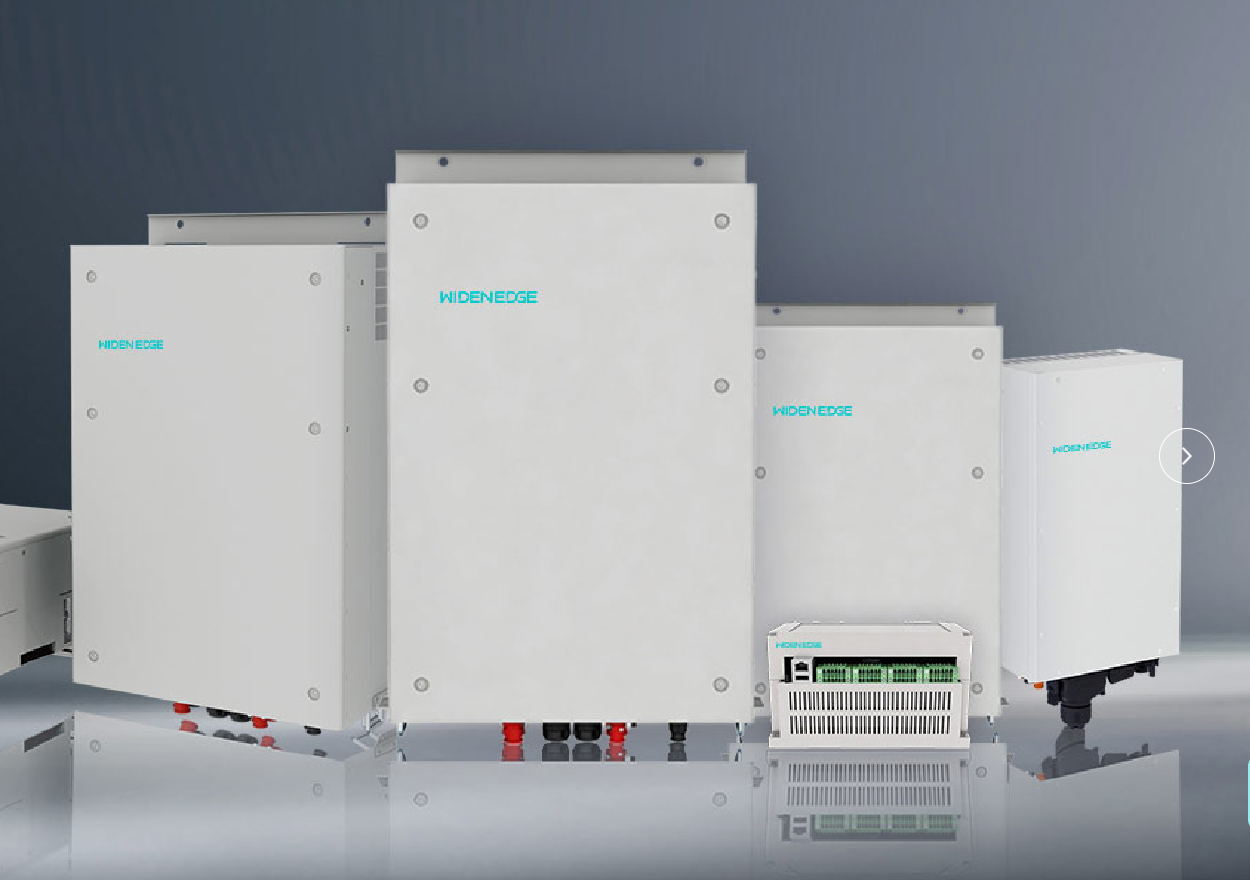
The island keeps no secrets: sun and wind arrive in moods, not schedules, and a microgrid must answer without complaint. This problem-driven inquiry begins with a simple admission — steady power on a small grid demands more than panels and inverters; it requires considered stores of energy, intelligent dispatch, and tested contingency plans. For many operators that means integrating off grid energy storage systems into the planning conversation from day one, not as an afterthought.
Why Variability Undermines Small Grids
On a continent-sized grid, diversity smooths shocks. On an island, the same shock can be decisive. Variability shows up as rapid swings in generation, shortfall during prolonged cloud cover, and a mismatch between daytime solar abundance and evening demand. The result is not merely flicker; it is cascading constraints on diesel gensets, power quality, and community services. Technical responses must be precise and conservative — overestimate risk, then rationalize costs.
Design Principles That Solve the Problem
Practical judgment trumps fashionable complexity. Adopt clear engineering rules rather than wishful thinking:
- Size storage to cover the credible worst-case gap between generation and load, accounting for seasonal and diurnal shifts.
- Favor chemistry and hardware with long cycle life and predictable degradation; allow for conservative depth-of-discharge limits.
- Design control logic that prioritizes critical loads, stages nonessential shedding, and supports smooth transitions between sources.
- Build redundancy: parallel strings, alternative dispatch modes, manual override for maintenance or emergency response.
- Pair short-term fast-response storage with longer-duration reserve where budgets allow, to handle both transients and prolonged lulls.
Lessons from the Field
Practitioners who have rebuilt communities after extreme events speak plainly: island energy systems must be resilient and repairable by local teams. Consider the wide attention given to recovery efforts in Puerto Rico after Hurricane Maria; that single episode taught vendors and planners that modular, serviceable battery banks and clear operation manuals matter as much as kilowatt-hours on paper. That real-world anchor reshaped procurement and maintenance priorities for many projects.
Choosing an Off-Grid Battery Approach
Technical selection is not a contest of impressive specs but a match to mission. When evaluating an off grid solar battery system, weigh these factors:
- Operational profile: how many cycles per day, expected lifetime, and depth-of-discharge targets.
- Thermal environment and enclosure needs; heat shortens useful life more than any other single factor.
- Maintenance capability of the local workforce and the availability of spares and warranty support.
- Integration with existing generators and controls — seamless handover reduces wear and fuel use.
Common Pitfalls and How to Avoid Them
Small systems fail most often for predictable reasons. Avoid these errors:
- Under-sizing because of optimistic capacity factors or insufficient load studies.
- Buying the cheapest battery chemistry without modeling degradation under real cycles.
- Neglecting thermal management and permitting conditions that limit usable capacity.
- Ignoring operational training — even the best system behaves poorly in untrained hands.
Operational Strategies That Work
Plan for predictable variability with layered tactics. Use demand-shift programs to move discretionary loads into high-generation windows. Automate forecast-driven dispatch so storage follows weather-informed setpoints rather than fixed timers. Keep commissioning thorough and repeat acceptance tests seasonally; a system that passes only once will reveal hidden flaws later.
Concluding Synthesis
Islands demand humility from engineers and clarity from planners. Treat variability not as a nuisance but as the central design variable: size storage conservatively, choose robust components, and train teams to operate with discipline. The value of these choices emerges plainly in outcomes — fewer outages, lower fuel burn, and systems that local technicians can service. Those outcomes are what practitioners seeking durable island power solutions consistently find when they pair careful planning with practical suppliers like WidenEdge.