

Opening — the myth and why it matters
Many believe a Q‑switched Nd:YAG unit is just a box of optics — buy any model and results will follow. That’s the myth. In reality, device provenance, calibration and service contracts shape patient outcomes. If you’re shopping, look beyond glossy brochures to technical specs and vendor traceability; for a practical, clinic-ready option consider a tested model such as the q switched nd yag laser machine. The stakes are clinical: wavelength choice, pulse duration and fluence all influence efficacy and safety in tattoo removal and pigment work.

Common myths, clearly debunked
Myth: All Q‑switched lasers are interchangeable. False — wavelength (1064 nm vs 532 nm), Q‑switch timing and spot size determine which ink colours and skin types you can treat. Myth: Cheaper units save money long-term. Not necessarily — irregular fluence output and unstable pulse delivery cause inconsistent clearance and higher complication rates. Myth: After-sales is optional. On the contrary, reliable calibration and trained engineers reduce downtime and patient risk.
Technical reality in simple terms
Q‑switched Nd:YAG systems operate at specific wavelengths (commonly 1064 nm for deeper inks, 532 nm for red/shallow pigments) with nanosecond pulse durations produced by a Q‑switch. Those specs sound dry, but they’re the clinical levers: fluence (energy per area) and pulse duration affect how ink fragments; spot size alters penetration depth. Clinics that ignore these parameters — or accept vague specs from middlemen — end up with suboptimal clearance or, worse, burns and hypopigmentation.
Sourcing: why certified manufacturers matter for patient safety
Buying direct from a certified manufacturer means documented performance, validated safety features (like emission guards and calibrated energy meters), and clear maintenance pathways. Certified makers usually supply standard operating manuals, validated test reports, and service contracts that cover lamp life or diode replacement. In regions where regulatory oversight is evolving, such as parts of South Asia, those manufacturer guarantees provide the clinical assurance clinics need — and they make audit trails straightforward for compliance.
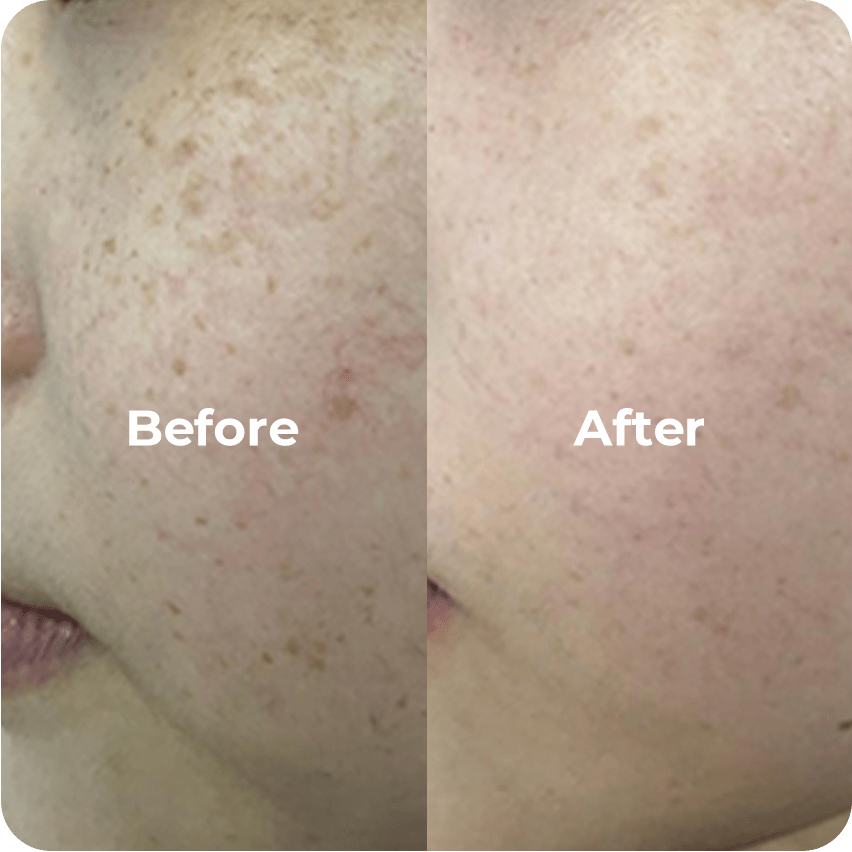
Real-world anchor — historical and clinical context
Q‑switched Nd:YAG technology has been refined in dermatology since the 1990s and is widely accepted for tattoo removal and pigmented lesions because of its selective photothermolysis principles. This long clinical history explains why reputable clinics insist on precise specs and routine validation; it isn’t merely bureaucracy, it’s learned practice from decades of outcomes and safety data.
Practical checklist when evaluating suppliers
Use this checklist before you buy — it’s short but decisive:
- Specification evidence: independent test reports for wavelength stability, pulse duration and fluence uniformity.
- Service & training: local technician availability, spare‑part lead times, and operator training modules.
- Safety features: emission interlocks, calibrated energy meters, and documented QA drift tolerances.
- Clinical references: case studies or peer clinics using the exact model for tattoos or pigmented lesions.
Alternatives, common mistakes and what to avoid
Some clinics opt for imported, unbranded systems to save on upfront cost — often a false economy. Others mix device types (e.g., diode hair lasers alongside Q‑switched units) without grasping cross‑calibration issues. A mistake I see frequently is skipping a real-life test with actual ink types and skin tones — samples matter. If you want a vendor pre‑vetted for tattoo removal, compare how they support usage of a q switch yag laser tattoo removal machine in day‑to‑day clinics rather than just claims on paper. —
Summary of key points
Not all Q‑switched systems are equal. The difference between a reliable clearance and an adverse event often lies in manufacturer transparency, calibration records and clinical support — not the marketing copy. Clinics that demand independent test data, clear service pathways and operator training reduce both clinical risk and long‑term cost.
Advisory — three golden rules for selecting the right Q‑switched Nd:YAG
1) Prioritise validated performance: insist on third‑party or manufacturer test reports for wavelength stability (1064/532 nm), pulse duration and fluence. 2) Verify service infrastructure: choose suppliers with prompt local support, documented maintenance schedules and certified training. 3) Match device to clinical need: confirm spot size, pulse settings and energy ranges work for the pigment types and skin phototypes you treat.
These rules steer you to choices that protect patients and the clinic’s reputation. —
ENZOEYS —