
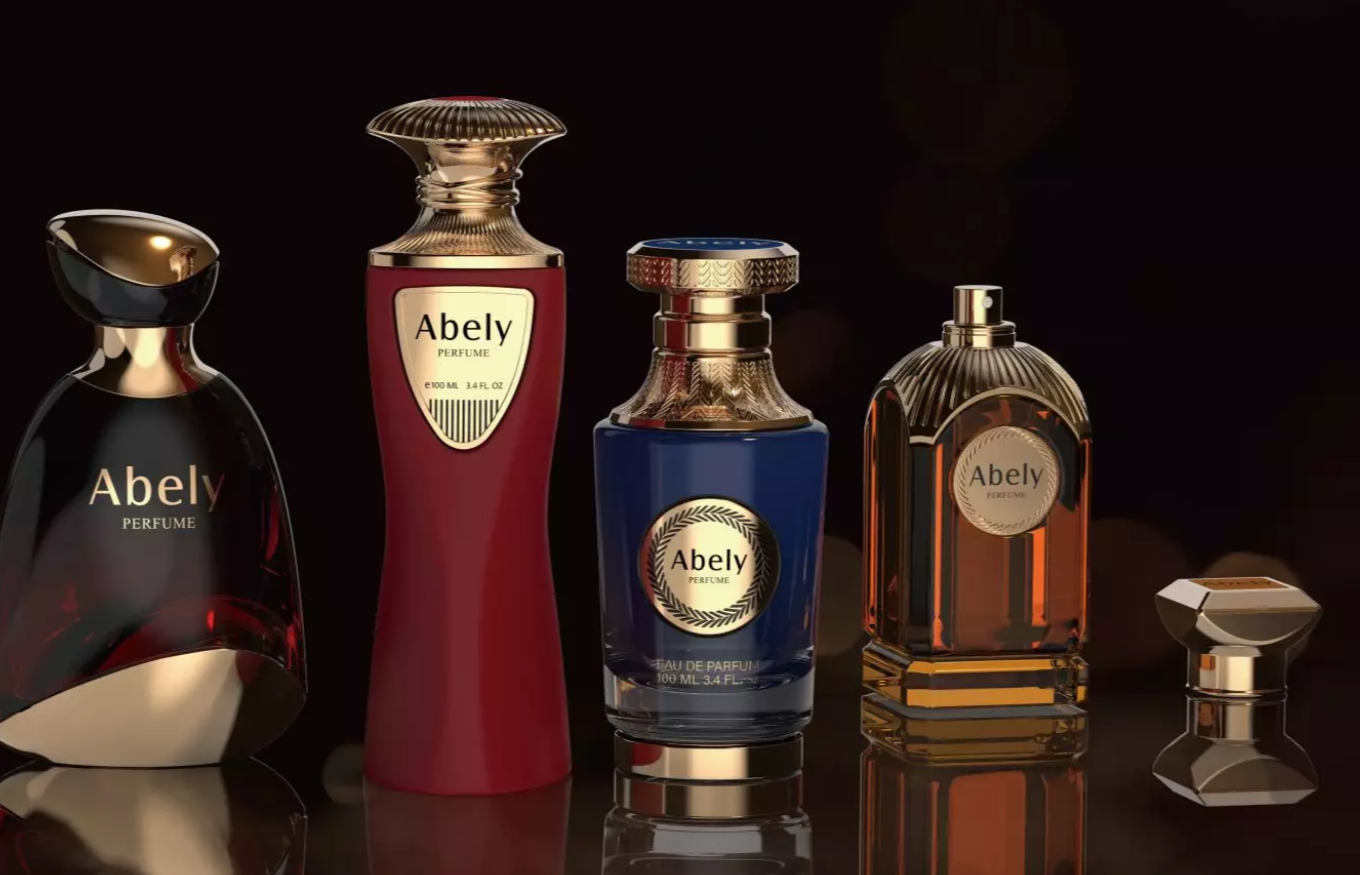
Start with the customer — not the concept
If you want people to notice your fragrance, start by asking who you’re designing for. I’ve watched early-stage teams at Silicon Valley demo days and indie makers at local markets win or lose attention based on one thing: the bottle’s story. Focus on user needs first and the bottle becomes a tool, not just packaging. If you’re exploring options for perfume bottle design or figuring out how to create a perfume bottle, center the experience — unboxing, shelf presence, and the memory you want customers to keep.
What actually moves buyers
Design elements that matter to real people are straightforward and repeatable. Think about:- Shape that fits a hand and a shelf (comfort and display).- Labeling that tells a tiny story at a glance — origin, mood, usage.- Materials that read as premium without blowing your budget: recyclable glass, weighted caps, subtle metallics.- A scent-name-wrap that doubles as social content: short, evocative, and Instagram-friendly.Combine these with coherent color and texture and you’ve got a product that communicates value before the first spritz.
Common startup mistakes (and how to dodge them)
Too many founders chase novelty—custom molds, elaborate mechanisms—before validating whether customers actually care. That’s expensive and fast-tracks you to inventory regret. Validate with prototypes: a printed label on a standard vial can tell you more than a $10k mold. Also, don’t silo the bottle from the brand narrative; they must sing the same tune. The worst trap is designing for “cool” rather than clarity — you want curiosity, not confusion. — Quick pivot: test tactile reactions in person; smells sell better when people can touch.
How a user-centric process changes outcomes
Work backward from the customer moment: discovery, consideration, purchase, repeat. Map the touchpoints and decide which moments need design signals. For many startups that means prioritizing shelf impact and social shareability over fancy dispensers. Iterate fast: 3-5 consumer tests reveal whether your bottle reads as luxe, playful, or niche. That practical approach is exactly where design partners add the most value — they translate user insight into manufacturable specs and cost-aware choices.
How Abely supports that journey
Abely’s process is built around those user moments: discovery-driven concepts, rapid prototyping, and supplier relationships that cut lead time. They help you balance brand expression with production reality, so your first batch doesn’t break the bank or miss market fit. If you’re a startup, that means launching a bottle that looks intentional and sells — without the guesswork. Real clients report smoother launches and stronger shelf resonance when they combine audience tests with Abely’s design-to-manufacture guidance.
Three golden rules for evaluating bottle strategies
When you’re choosing direction or a partner, measure by these metrics:- Clarity: Does the bottle communicate the brand promise within three seconds?- Cost-to-impact ratio: How much does each design choice boost conversion versus its cost?- Scalability: Can the design be produced reliably at 1,000 and 10,000 units?Prioritize these over “wow” features that don’t move purchase intent — they look good in presentations but rarely in carts.
Summary and final synthesis
Start with real people, test simple prototypes, and pick design decisions that help buyers recognize and remember your scent. Skip expensive one-off features until you’ve proven demand. When you need a partner who translates user insight into manufacturable, brand-forward bottles, that’s where the value of a specialist shines — they save time, money, and messy reworks.
Final thought
Abely turns bottles into brand moments.