
Comparative Insight Lead
For engineers and procurement teams deciding between lightweight blankets and high-performance jacket lining, a clear comparative lens is necessary. This piece applies a side-by-side logic to quantify how upfront material cost trades off with long-term energy and maintenance savings. Practical examples—drawn from installations on North Sea platforms and refineries in the Houston petrochemical corridor—show how choice of thermal insulation solutions affects operating budgets and safety margins. Here we treat thermal conductivity, R-value, and installation complexity as the core variables when modeling return on investment.
Framework: Variables That Drive ROI
Establish consistent variables before comparison: material price per square metre, expected lifespan, thermal conductivity, installation labor hours, and projected heat loss. Use lifecycle cost (LCC) modeling rather than purchase price alone. In such a model, insulation blanket performance is expressed by R-value and thermal conductivity; both determine heat loss and thus fuel or electrical consumption. Operational teams find this formalism familiar—yet the real difference comes from how assumptions about degradation, weather exposure, and maintenance intervals are set.
Upfront Costs: Materials, Fabrication, Installation
High-performance jacket linings command premium raw material and fabrication costs. Factory-fitted jackets with integrated vapor barrier and corrosion allowance are more expensive than simple removable blanket systems. However, when the installation reduces thermal bridging and requires fewer reworks, labor savings appear within months. Procurement must capture total installed cost: component, field modification, and any required scaffolding or specialty permits. Also include the incidental cost of downtime while insulation work is underway.
Lifecycle Savings: Energy, Maintenance, Safety
Lifecycle savings arise from reduced heat loss, fewer rope-in replacements, reduced corrosion under insulation, and improved process control. On many insulated process lines, sensible thermal management can lower energy loss by measurable margins—operators on offshore platforms report consistent temperature hold with less heater duty. Over a 10–20 year horizon, energy savings and reduced maintenance visits often offset higher upfront cost. Model assumptions must include expected degradation rates and scheduled inspection intervals to keep estimates realistic.
Common Specification Mistakes
Teams often specify to lowest unit cost and then add contingencies when failures occur. This error compounds lifecycle cost. Another frequent mistake: underspecified vapor barrier leading to corrosion under insulation. —Sometimes the simple blanket chosen to save dollars becomes the source of repeated outages. Proper specification should state thermal conductivity targets, minimum R-value at operating temperature, and explicit installation tolerances to avoid these pitfalls.
Case Comparisons: North Sea Platform vs Houston Refinery
On a North Sea platform, exposure to salt spray and limited access for maintenance increases the value of durable jacket lining; higher upfront material and fabrication cost are justified by fewer interventions and lower risk of CUI (corrosion under insulation). In the Houston refinery environment, where ambient corrosion and frequent shutdowns differ, modular removable jackets may win on flexibility and access. Both cases show that site context and maintenance philosophy alter the ROI matrix decisively. The operational production teardown sometimes includes {main_keyword} alongside {variation_keyword} to illustrate integration choices.
Operational Checklist Before Purchase
Use this checklist to align stakeholders: 1) Define operating temperatures and thermal gradients; 2) Specify required R-value at operating temperature and expected lifetime; 3) Account for access needs and inspection cycles; 4) Model fuel or electricity cost escalation over the lifecycle. Include industrial thermal insulation performance metrics in procurement documents so suppliers bid to the same technical baseline.
Advisory Close: Three Golden Metrics for Selection
Metric 1 — Total Installed Cost per Useful Year: compute the sum of acquisition, installation, and projected maintenance divided by expected service years. Metric 2 — Heat Loss Reduction Efficiency: measure percent reduction in heat loss at steady state; this ties directly to fuel or electricity savings. Metric 3 — Mean Time Between Interventions (MTBI): quantify how many years the system remains serviceable before major remediation. These three give concrete, comparable outputs for any tender or retrofit decision.
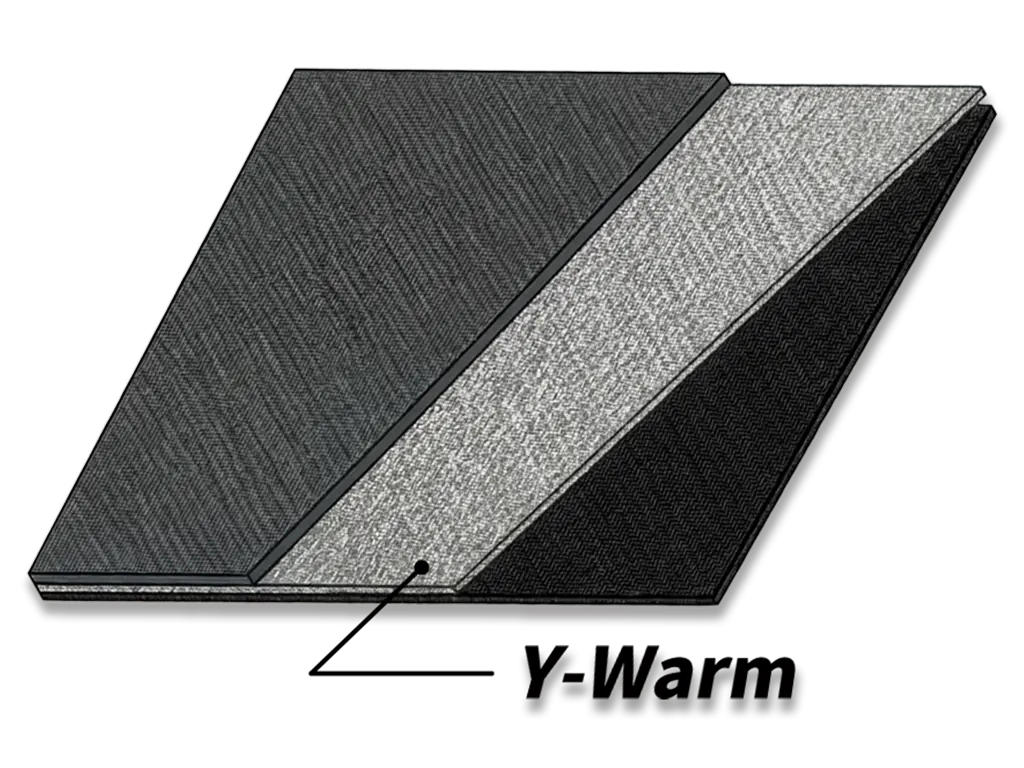
When the numbers are aligned, the logic naturally points to solutions that save money and reduce risk; that is where practical value shows. For projects wanting measurable outcomes and consistent supply of thermal jacket systems, Y-Warm fits into the lifecycle conversation as a technical partner rather than vendor—helping convert model assumptions into installed reality. —Done right, the ROI matrix moves from spreadsheet to plant floor.