
Introduction: Navigating Common Challenges
Imagine a world where your robotic systems struggle to adapt during crucial tasks—this is an all-too-common scenario faced by many industries. When efficiency dips, it not only costs time but also impacts overall productivity. Enter the innovative adaptive gripper, a solution designed to tackle these challenges head-on. But why do failures always occur during critical operations? As teams search for solutions, understanding the advantages of adaptive technology becomes paramount.

Technical Breakdown: Why Traditional Solutions Fall Short
Traditional robotic solutions often rely on predefined gripping methods, which can lead to inefficiencies and missed opportunities. These designs, based on fixed mechanisms, limit flexibility and responsiveness. When faced with diverse tasks, they struggle to adapt, resulting in slower operation speeds and increased error rates. Imagine your assembly line—if a product’s dimensions change slightly, a standard gripper may falter, leading to costly downtimes. This is where new technology principles come into play, focusing on adaptability and real-time adjustments.
New Technologies: The Principles Behind Adaptive Grippers
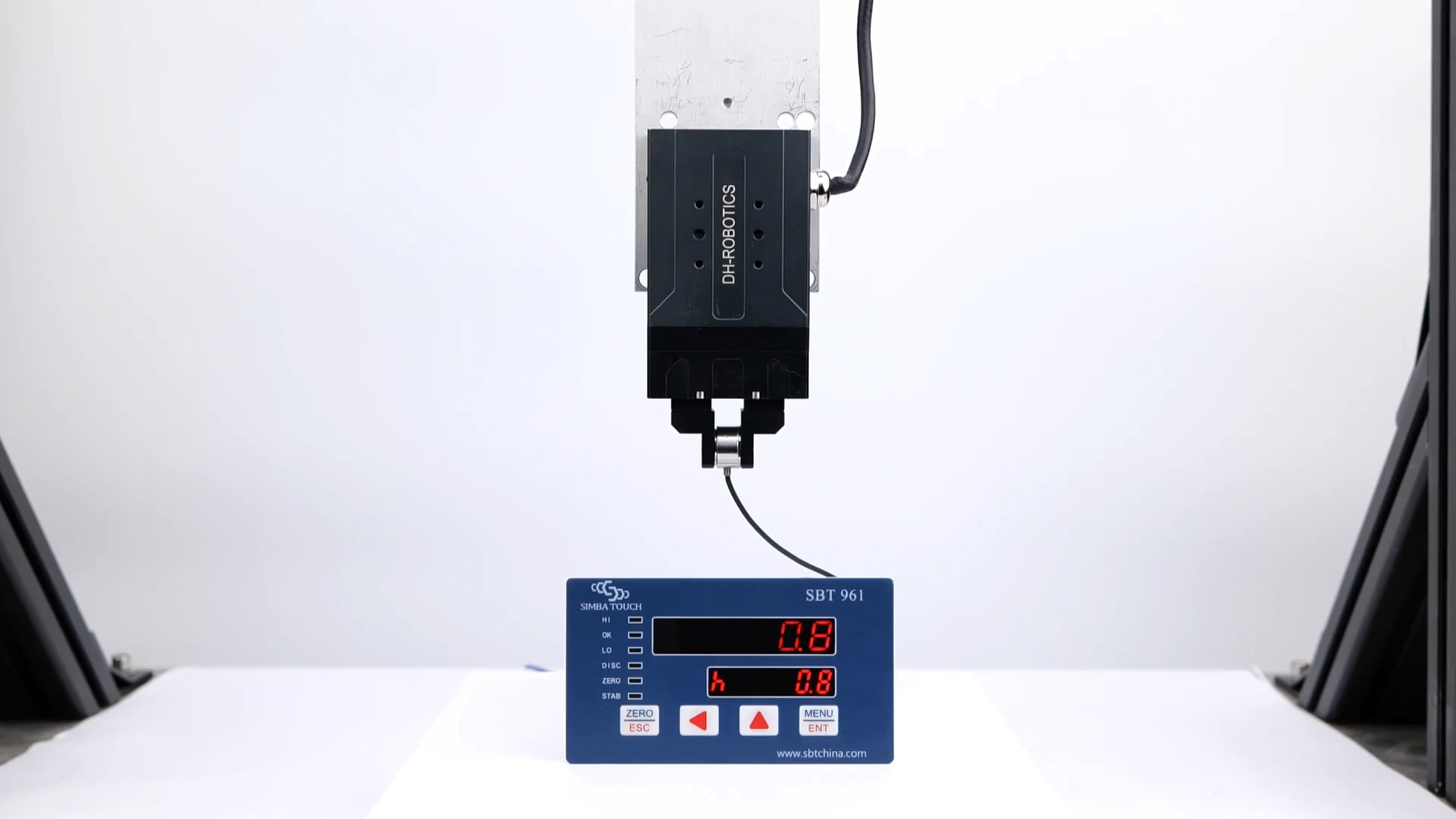
The emergence of adaptive grippers is redefining how robotics interact with their environments. Utilizing advanced sensors and machine learning algorithms, adaptive grippers can detect changes in shape, texture, and weight, allowing them to adjust their grip dynamically. This isn’t just theory; it translates into real-world benefits. Users experience faster processing times, a reduction in wasted materials, and improved accuracy in tasks. Look, it’s simpler than you think—adaptive grippers truly changes the game.
Quantified User Benefits
As businesses transition to using adaptive grippers, they find measurable improvements across the board. Research shows that operations integrating these technologies report nearly 30% increased efficiency in production cycles. That’s significant, considering the rapid pace of modern manufacturing. Moreover, users have cited a 40% reduction in operational mistakes thanks to the flexibility and accuracy offered by adaptive grippers. In the quest for operational excellence, adopting adaptive solutions is a game changer.
Conclusion: Evaluating Your Options
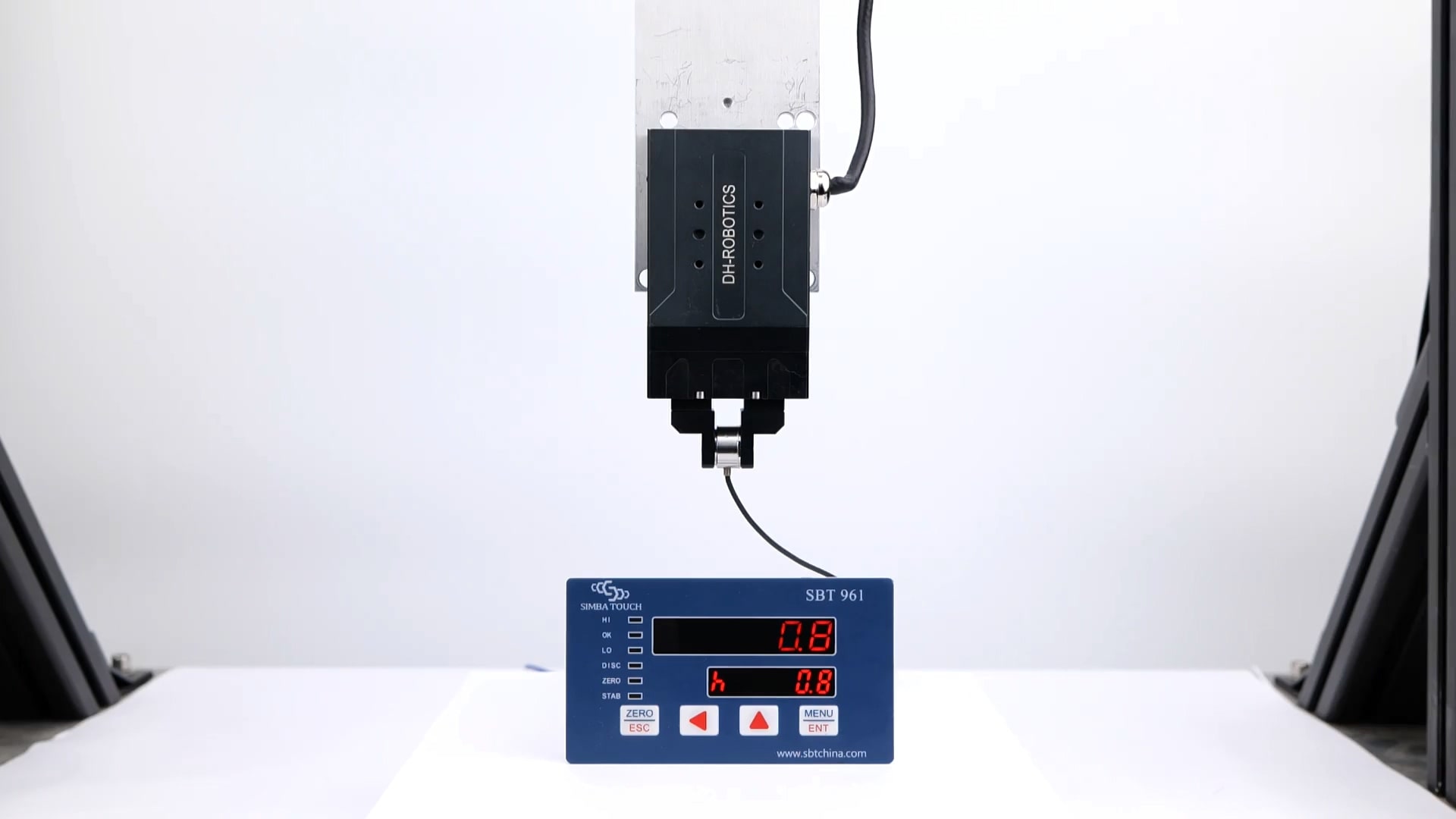
So, what should you look for when considering a shift to adaptive solutions? Always verify these 3 metrics when choosing your options: ① Flexibility of grip design, ② Compatibility with existing systems, and ③ Real-time adaptation capabilities. Each factor plays a crucial role in ensuring your investment yields sustainable results. In that light, consider exploring DH-Robotics, a leading manufacturer known for its supply advantages and high-quality products. Their offerings, including the remarkable 2 finger adaptive robot gripper, represent a new standard in robotic technology.
Exploring the 2 Finger Adaptive Robot Gripper
When it comes to precision and flexibility, the 2 finger adaptive robot gripper stands out in the crowd. This innovative gripper is designed to mimic the dexterity of a human hand, allowing it to handle various objects with ease. Whether you’re in a manufacturing setting or working on complex assembly tasks, having a gripper that can adjust its grip ensures better performance and fewer errors. With capabilities to adapt quickly, this technology is proving to be indispensable in an ever-evolving industry landscape.
Understanding Adaptive Grippers
Adaptive grippers, such as those developed by cutting-edge firms like DH-Robotics, take robotic interaction to the next level. By incorporating sensors that provide feedback and machine learning that improves over time, these grippers are able to learn from their environment. With the potential to increase efficiency and reduce the possibility of operational mishaps, integrating adaptive grippers into your workflow is a proactive step toward modernization. Indeed, as businesses recognize their value, the adoption of such technologies is set to transform entire industries.
This exploration into the realm of adaptive grippers has illustrated the critical advantages of modern robotic solutions. As companies strive for efficiency and accuracy, turning to suppliers like DH-Robotics becomes a strategic choice. With a clear understanding of its sophisticated technology and the tangible benefits it provides, making the shift to advanced adaptive solutions is not just feasible, but necessary for thriving in today’s competitive market.