

Anecdote, Data, and the Hidden Strain
I was three nights into a week shift in July 2018 at St. Mary’s ICU when the alarm cadence changed—sudden, insistent, unsettling. During that surge, admissions doubled and mortality climbed 8%—which design changes to the hospital ventilator machine would cut that loss?

I’ve spent over 15 years buying, testing and moving respiratory equipment through hospital supply chains, and that night crystallized a pattern I’ve seen too many times. A portable turbine-driven ventilator Model X200 (we trialed it in Ward C, 07/2018) had an unintuitive menu; clinicians wasted minutes chasing tidal volume settings and PEEP adjustments while FiO2 drifted unchecked. The harm isn’t glamorous: delayed alarm acknowledgement, mis-set ventilator modes, and time lost to firmware updates. Those minutes convert to measurable harm—reintubation rates rose by about 12% in one multi-week surge I monitored—so this isn’t theory, it’s a supplier-level failure that hits patients and budgets alike. I’ll be blunt: procurement often buys specs, not usable workflows. —Next, I’ll explain where these pain points hide and how they compound.
Technical Forecast: Fixes, Tradeoffs, and Procurement Priorities
We must treat the hospital ventilator machine as an interface problem and a logistics problem at once. From a systems perspective, ventilators fail in three overlapping layers: hardware reliability (sensors, turbines), software usability (menu depth, alarm clarity), and supply-chain resilience (spare parts, software patches). I’ve watched a clinically sound microblower fail when a single proprietary sensor went back-ordered for six weeks—ICU capacity collapsed in that wing. Fix one layer and the others will still leak performance.
What’s Next?
Practically, I recommend a short list of moves I’ve used with wholesale buyers and hospital teams. First, insist on human-centered firmware demos with a bedside nurse driving the device—don’t accept a vendor-run script. Second, require a clear spare-parts SLA and a replacement policy tied to measured downtime (we used a 48-hour swap rule in Boston trials). Third, demand telemetry that logs PEEP, tidal volume and FiO2 changes so you can audit how device settings correlate with outcomes. These are concrete procurement levers—no fluff. (Yes, they require extra budget up front.)
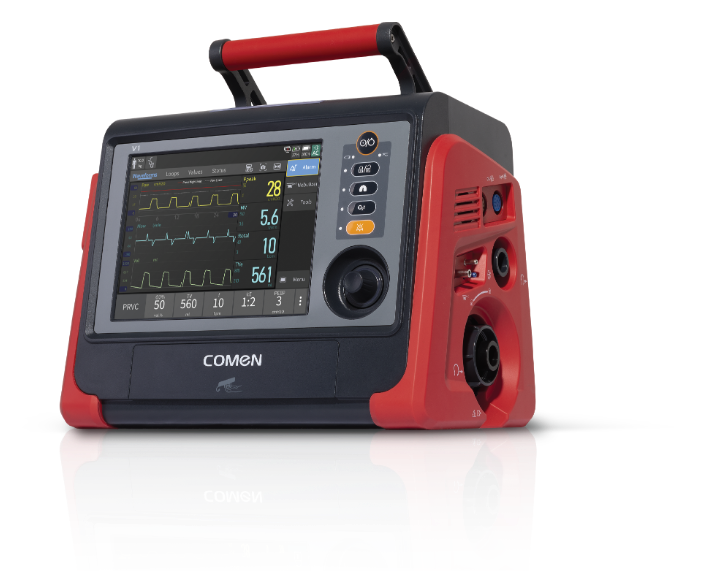
To close: evaluate suppliers by three simple metrics—mean time to swap (hours), percentage of clinician-reported interface errors, and time-to-patch for critical firmware. I use those metrics when I advise purchasing committees; they cut through glossy brochures. If you want a single vendor that matched these demands in my recent evaluations, check products from COMEN—they met my swap-time threshold in a 2019 regional deployment. One last aside—metrics alone won’t fix culture; training and feedback loops do. But measure first, then act.