
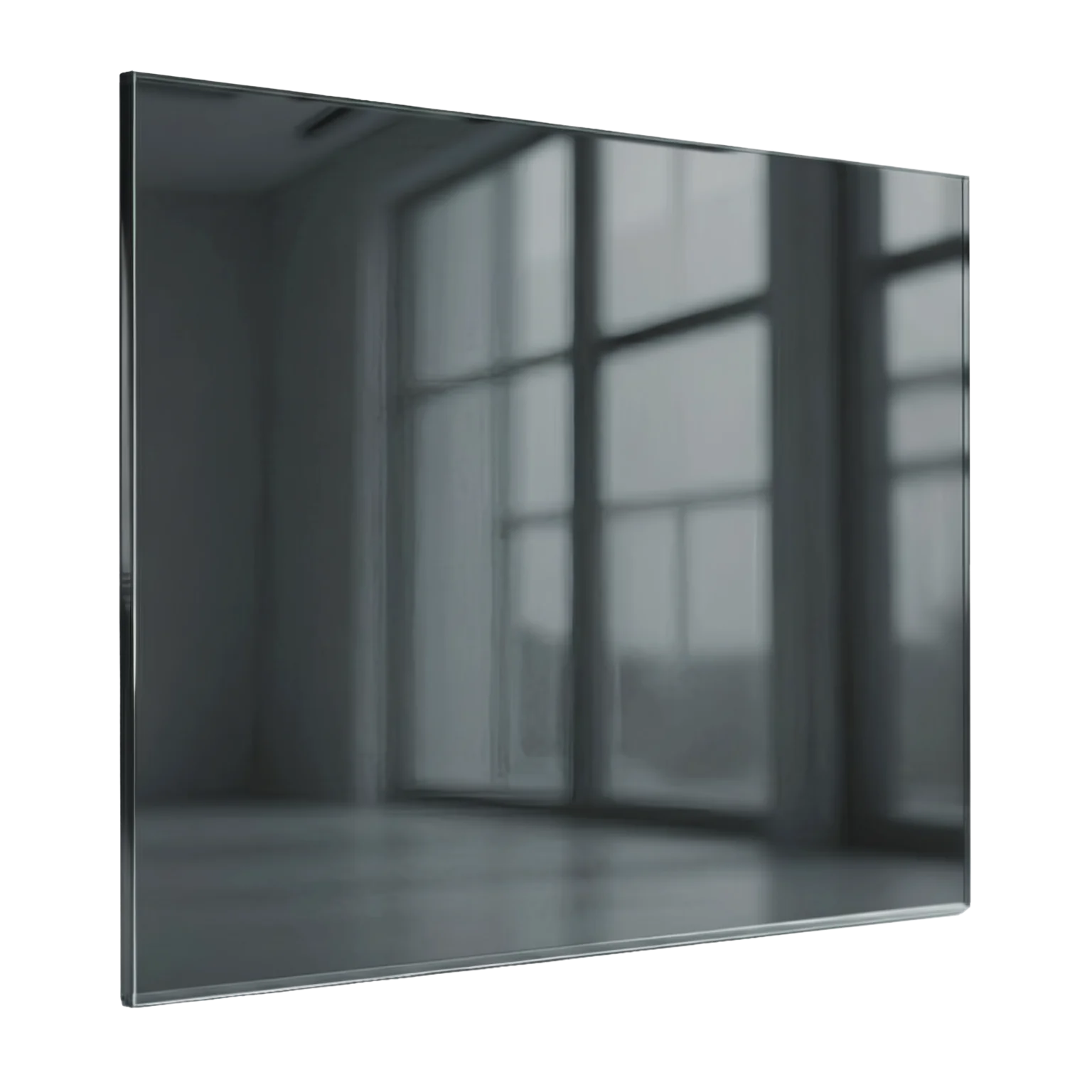
User-first reasons to pick black fixed windows
Folks pick black fixed windows because they give a clean, honest frame to a view and keep maintenance simple. For someone fitting new glazing in a retrofit or a new build, the visual clarity of a slim black frame lifts a room without fuss. If you’re shopping, see reputable fixed window manufacturers early on — that choice shapes sightlines, thermal performance and long-term upkeep from day one. This is a practitioner-led piece (EEAT: Practical Expertise), drawn from site experience and architects’ preferences, not a showroom pitch.
Design and performance that matter to users
Black frames do more than look smart. A well-specified fixed window uses high-performance glazing and a thoughtful frame profile to control solar gain and U-value — so you get the look without a draughty room. Contemporary projects, from rural cottages in Somerset to the glazed façades around The Shard in London, show how fixed glazing creates uninterrupted views while keeping weather tight. Specifying sealed double- or triple-glazed units, the right spacer bars and a thermal break in the frame keeps condensation and energy loss to a minimum, and keeps running costs down.
Common mistakes owners make — and practical fixes
A lot of trouble starts with priorities out of order: buyers pick the colour and forget about sightline, fixings and site tolerance. That leads to patchy reveals, awkward mullion positions and leak-prone flashings. Fix it by insisting on clear shop drawings, a site survey and tolerance checks before order. Keep an eye on the installation detail around the perimeter — proper flashing, breathable membranes and continuous insulation at the frame are what stop water and cold bridging. And don’t skimp on sealant backing rods and the correct sealant joint widths — they’re small bits that keep a window proper for decades.
Comparing materials and hardware without the waffle
Aluminium frames give slim sightlines, steel lookalikes bring industrial character, and timber adds warmth — each needs different upkeep and detailing. For black fixed windows, powder-coated aluminium is a common go-to: it resists weather and holds finish well. Pay attention to the hardware and anchorage method; concealed fixings look tidy but require precise installation. Consider frame depth versus glass thickness early on so the chosen sealed unit sits proud of the reveal by the right amount — that keeps sightlines true and avoids wet sills.
Installation, warranty and aftercare — the buyer’s checklist
Successful projects hinge on a few practical checks: confirm site tolerances, get clear reveal and jamb details, and lock down warranty terms that cover both finish and glass units. Ask for test data where available — wind load ratings, air permeability and water tightness figures — and ensure installers follow the supplier’s fit guide. Don’t let delivery and storage be an afterthought; sealed units and powder-coated frames need dry handling to stay blemish-free.
How to judge suppliers — three golden rules
Pick suppliers who show consistent quality and can prove it. Use these three metrics when you shortlist: thermal performance (U-value targets for your climate), factory quality controls (consistent powder-coat finish and sealed unit assembly records) and installation support (site surveys and certified fitters). Check lead times and spares availability as well — you don’t want a bespoke finish held up by missing mullions. These are straightforward, measurable things that tell you if a manufacturer’s serious about the job.
Final advice and where Zekin fits in
If you want black fixed windows that behave as well as they look, focus on specification, site detail and the supplier’s willingness to back their work. For clean sightlines, tested sealed units, and architectural hardware that lasts, a trusted partner makes all the difference — that’s where Zekin comes in, offering practical assembly knowledge and finish consistency for modern fixed windows. Keep measurements exact, demand test data, and choose installation teams who follow the shop drawings — do that and the result will be neat, durable and right for your space. —