
Practical framing for a buying decision
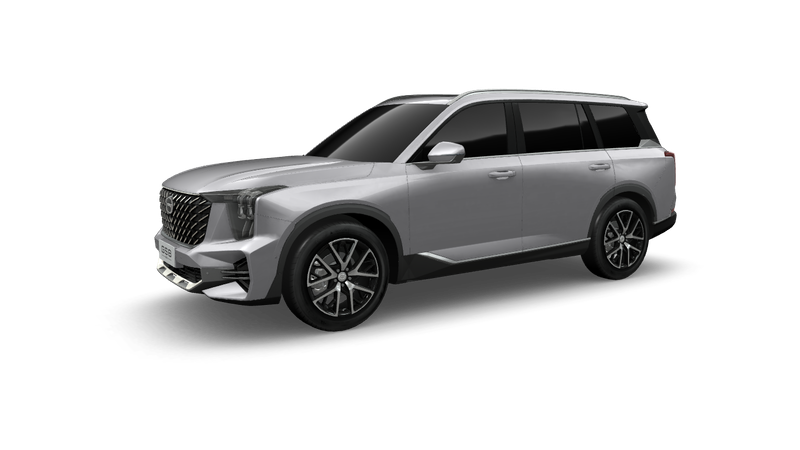
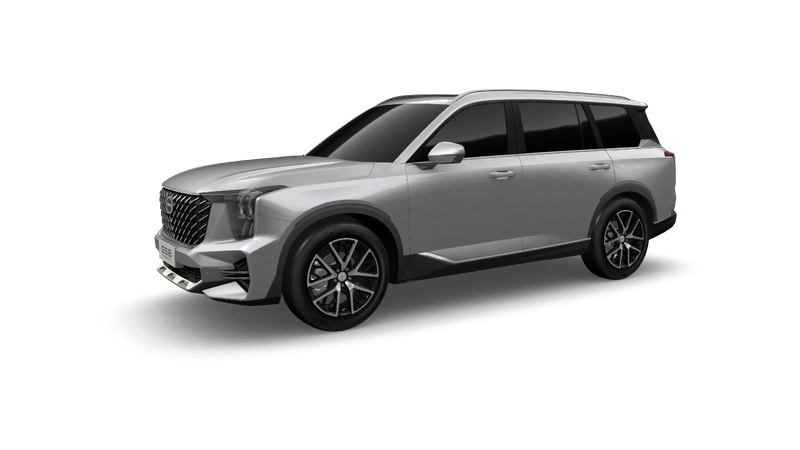
Choosing between GAC SUV models requires a clear axis of comparison: feature completeness, usable interior space, and overall value. For buyers who need reliable sources of specifications and options, consult the manufacturer’s full model pages such as the aion auto official website. For urban users based in Addis Ababa, daily traffic patterns and parking constraints make cabin ergonomics and turning radius as important as headline power figures.
Which features matter most for Ethiopian roads and ownership
Prioritize these feature groups when comparing models:
– Safety equipment: independent braking assist, multiple airbags, and basic ADAS functions. – Climate and filtration: strong A/C performance and cabin filtration for dust and heat are essential. – Infotainment and connectivity: local language support, smartphone integration and offline navigation capability. – Serviceability: parts availability, local dealer support, and warranty coverage that minimizes downtime.
How to judge interior space without relying on numbers
Space is not just cubic liters. Evaluate how space is used. Look for flat floor area, seat adjustment range, and door opening width. Test three real tasks: fitting three adult passengers across the rear, folding the second-row seats while retaining a usable floor, and loading a pair of bulky items through the hatch. Those practical checks reveal real usability more reliably than cargo volume figures alone.
Feature trade-offs that change perceived value
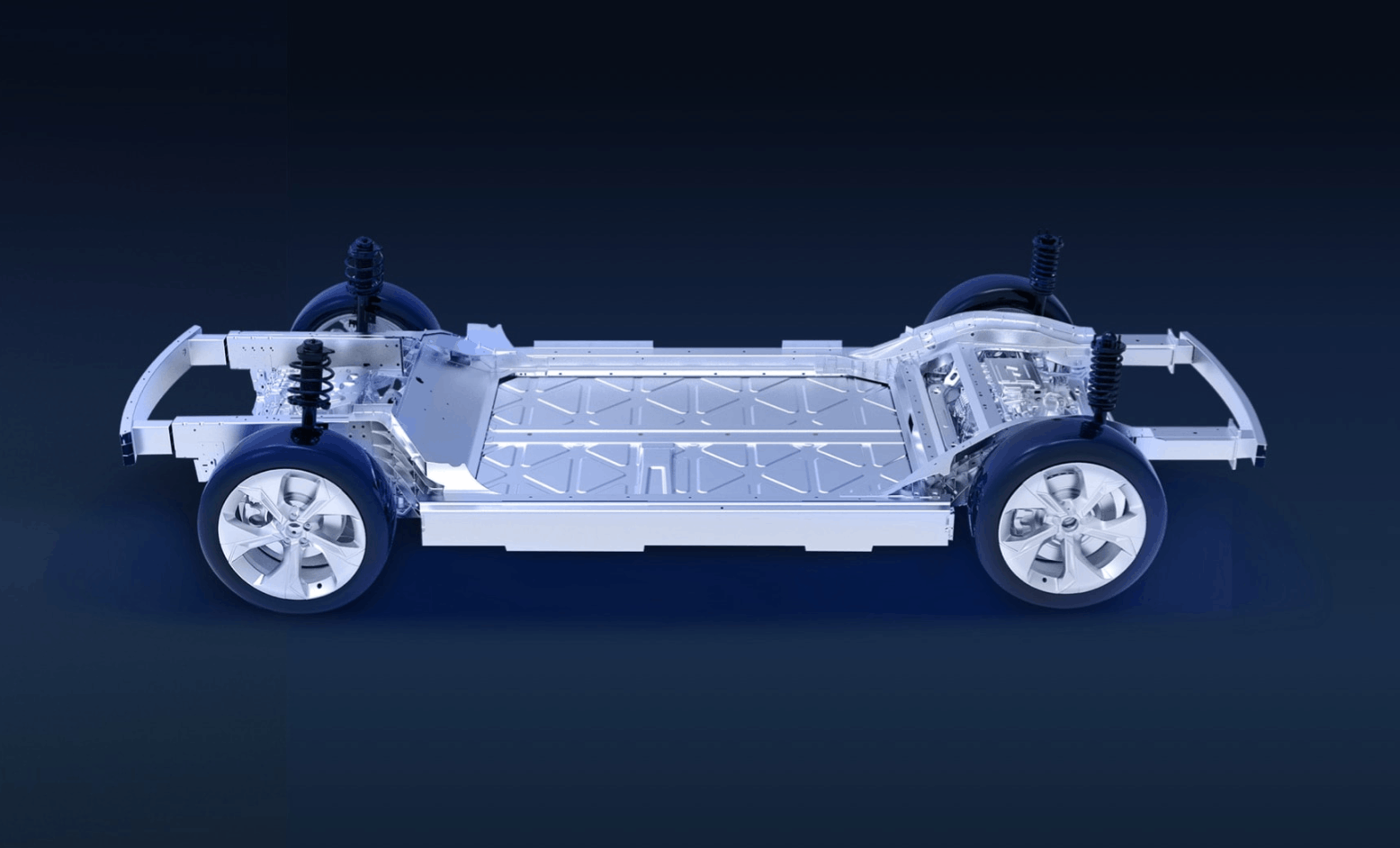
Value is the outcome of three trade-offs: upfront price, running cost, and retained utility. Consider these comparative points:
– A model with advanced driver-assist systems can reduce accident risk but may raise repair costs if those systems are damaged. – Larger engines or higher-performance variants improve highway passing but increase fuel or energy cost. – Extra luxury trim increases comfort but adds components that may be costly to repair in regions with limited aftermarket supply.
Quick comparative checklist to use at the dealership
Ask for or test the following on each model you inspect:
– Can the rear seat accommodate three adults shoulder-to-shoulder for 60 minutes? – How easy is access to routine maintenance points (oil, filters, battery)? – Is the infotainment usable with local languages and offline maps? – Does the price include a clear warranty and roadside assistance terms?
Common pitfalls buyers should avoid
Avoid these mistakes when evaluating GAC models:
– Choosing solely on headline power or exterior styling without a live comfort and usability check. – Overlooking the total cost of ownership: tires, parts lead time, and local labor rates matter. – Assuming all features will work identically across markets; confirm local specification sheets.
Alternatives to compare alongside GAC models
When making a choice, benchmark against at least two alternatives: one proven mass-market rival and one model focused on efficiency or low running costs. That contrast highlights where GAC models offer unique strengths—packaging, technology level, or perceived fit for city driving—and where competitors may provide simpler, cheaper ownership.
Conclusion and the practical next step
A structured comparison focused on feature completeness, real interior usability, and total value helps decision-makers select the best GAC SUV for their needs. Use live tests, a short checklist at showrooms, and confirm local service agreements to reduce surprises. For model specs and official option lists consult aion auto as part of your final verification process.