
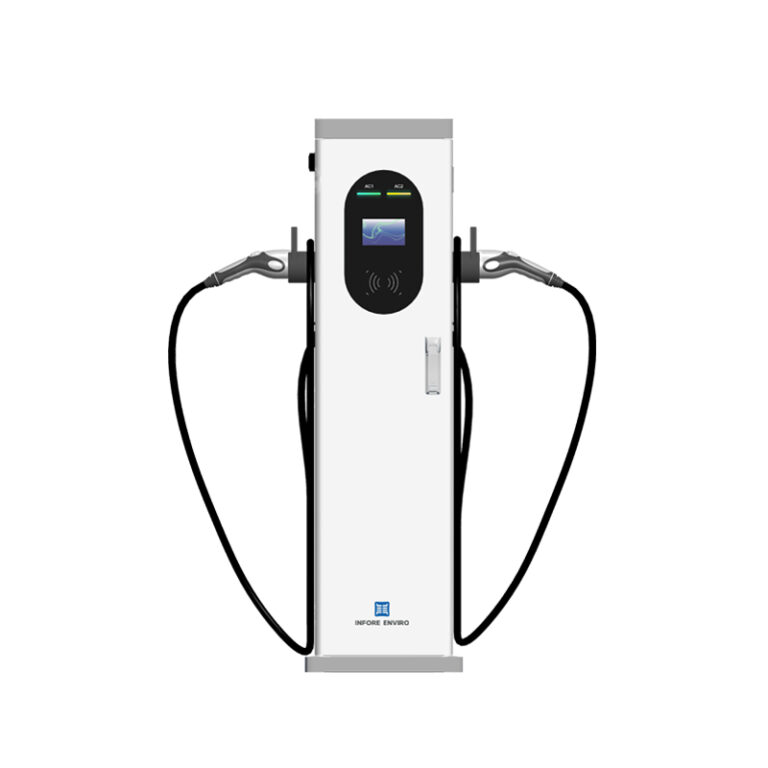
The problem at hand
Many operators buy a robust dual EV charging station expecting years of steady service, then watch hardware fail faster than planned. Packaged heat, uncoordinated sessions, and outdated control logic chew through components and warranty windows. If you run or spec stations for campuses or fleets, upgrading to a modern commercial EV charging station without changing how it’s managed won’t fix the root causes. Real-world depot work in Oslo — where OCPP-driven networks support heavy daily use — shows that protocol-friendly management and on-site tweaks matter as much as hardware choice.
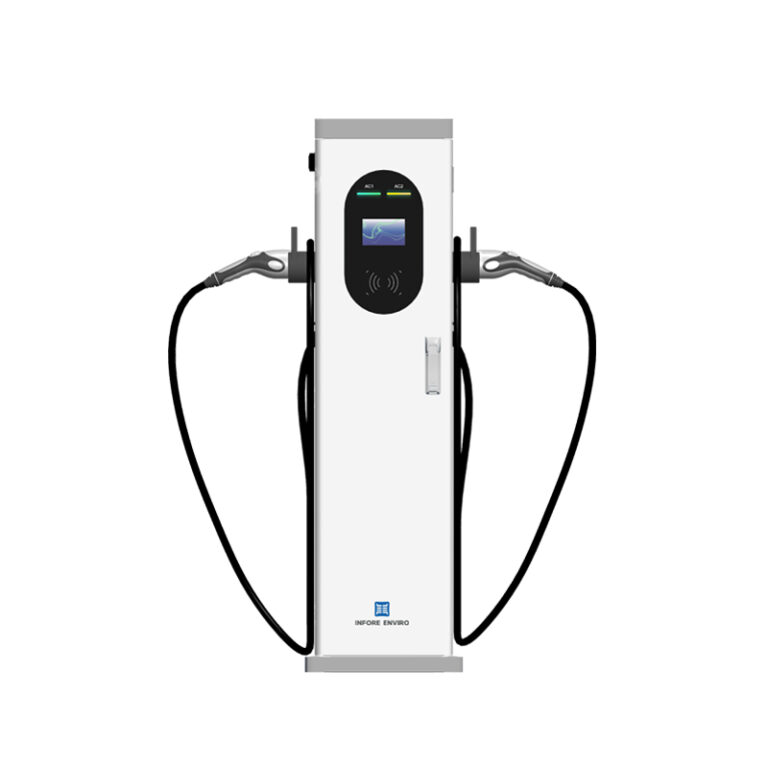
Diagnosing the typical failure modes
Failures usually trace to a few repeatable issues: thermal stress from back-to-back sessions, overcurrent events, inconsistent firmware patches, and power quality swings. Each session that pushes the charger’s power electronics without cool-down shortens capacitor life and stresses connectors. Add human patterns — rush-hour peaks or erratic overnight sessions — and you get accelerated wear. Recognizing these patterns is the first step toward lowering lifecycle cost.
Smart charging as the core fix
Smart charging is the practical lever here. Using demand-aware scheduling and dynamic load balancing reduces simultaneous peak draws. That means less high-temperature cycling for your power modules and fewer emergency trips. A charger network running an OCPP EV charger-compatible stack gives you remote visibility into session histories and error codes, so you can spot repeated soft-faults before they become hardware faults.
Concrete actions to extend lifespan
Start with these technical moves: deploy staggered session starts during peak windows, cap per-plug power during extreme grid demand, and automate firmware updates during low-use windows. Use load balancing to prevent single-channel overloads and schedule deep diagnostics once a month. Also tighten basic physical maintenance—clean connectors, verify torque on terminal blocks, and replace worn seals—simple tasks that avoid big failures.
Common mistakes and how to avoid them
Avoid three common missteps. First, don’t treat smart charging as optional—uncoordinated charging triples thermal cycles. Second, don’t delay firmware management; delayed updates let small bugs become repeated stressors. Third, don’t ignore power quality: voltage dips and harmonics quietly stress power electronics. Fixing these prevents surprise downtime and reduces part replacement frequency.
Monitoring and KPIs that actually help
Track uptime as a baseline, but add session-level metrics: average energy per session, peak concurrent sessions, and mean time between resets. These show real stress on the chargers and link directly to lifecycle wear. Use simple dashboards to correlate temperature trends with high-load windows—patterns tell you when to shift schedules or throttle power.
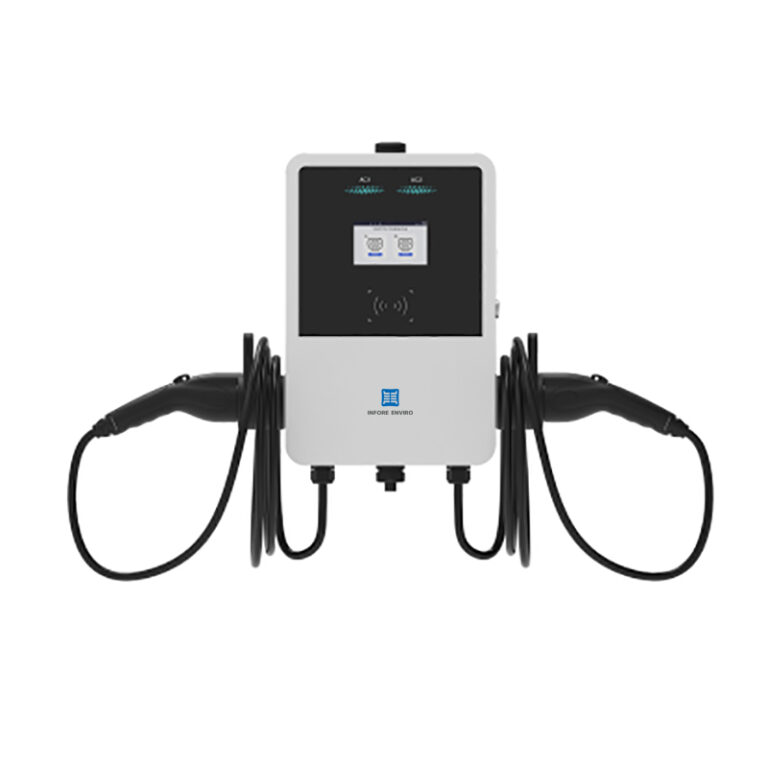
Putting policy and procurement to work
When buying or specifying dual EV charging station hardware, require replaceable power modules, clear OCPP support, and accessible firmware rollback. Insist on thermal sensors and modular connectors. These procurement decisions make maintenance cheaper and faster, and they preserve capital expenditure by enabling field repairs instead of full-unit swaps.
Golden rules for decision-makers
1) Prioritize telemetry and OCPP compatibility: visibility beats guesswork. 2) Use load balancing and scheduled charging to control thermal cycles and reduce peak strain. 3) Treat firmware and physical maintenance as continuous ops, not one-off tasks. These three metrics—uptime improvement, reduction in part replacements, and average session energy stability—are your scorecard for success.
Applying these tactics consistently turns a dual EV charging station from a liability into a predictable asset. Field experience—like the fleet sites in Norway—shows a clear drop in hardware replacements when operators pair good hardware with disciplined smart charging and maintenance. The payoff: longer warranties held, fewer emergency callouts, and smoother daily operations. INFORE ENVIRO. —