
Problem statement: wrong product, wasted time
Work begins, the joint leaks or the bearing squeaks; the wrong lubricant, sealant or adhesive is blamed and costs mount. Start by asking one pragmatic question: what specific failure am I solving — adhesion loss, dynamic friction, solvent swelling, or chemical exposure? If you are also tackling finish problems on-site, learn how to spray single stage paint without orange peel so finish defects are not confused with substrate or product incompatibility.
Diagnose the actual failure modes
Match symptoms to causes. A brittle bond usually signals surface contamination or an incompatible primer; a sealant that flows out of a gap points to wrong rheology or excessive temps during cure; lubricants that attract dust indicate poor base selection (oil vs dry-film). Measure temperature range, UV exposure, chemical contact and movement amplitude before you select a chemistry. Collect those facts and present them to suppliers rather than asking for “something that works”.
Key questions to ask every supplier
Ask for cure profile, substrate compatibility data, permitted service temperatures, VOC content, and recommended surface preparation. Request adhesion test methods and sample batch certificates. Demand practical guidance on application — nozzle size, wet film thickness, open time, and recoat windows. If there is a corrosion or safety implication, request third‑party test reports; if none exist, arrange a small qualification trial on the actual component.
Common mistakes that cause repeat failures
Do not skip surface prep. Do not assume product categories are interchangeable: an RTV silicone is not a structural adhesive. Avoid overthinning; it weakens cure and alters film build. Never change brand mid-batch without retesting. Misreading the technical data sheet (TDS) for cure schedule and substrate limits is a frequent oversight — follow the TDS exactly during qualification.
How to prioritise chemistry by application
For flexible joints use polyurethane or MS polymers; for static glass-to-metal sealing choose neutral-cure silicones with primer where required. For structural bonds prefer epoxy or modified acrylates with defined shear strength; for quick assembly with some movement, a tough polyurethane adhesive often balances strength and elasticity. Lubricants: select dry-film PTFE for clean environments, mineral oil for slow-moving plain bearings, and molybdenum-based greases for high-load, low-speed axles. Select by failure mode, not by brand familiarity.
Real-world verification and authoritative experience
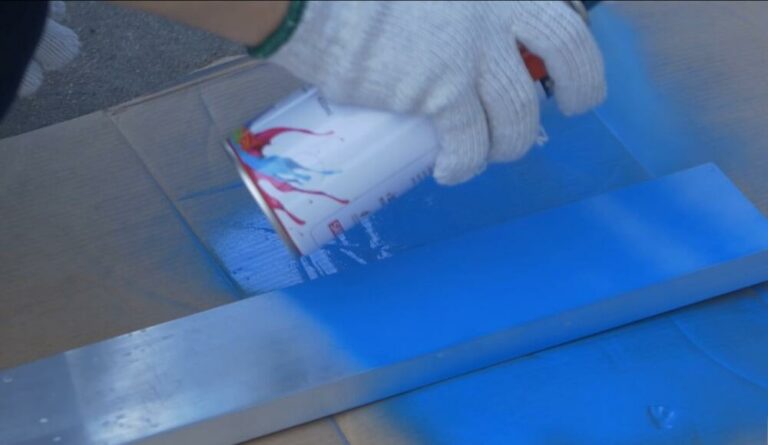
I have overseen finish and bonding trials at events where OEM refinish engineers present repeatable protocols, including workshops at recognised industry gatherings such as the SEMA Show; those sessions emphasised spray technique and material compatibility when working with aerosol finishes. For hands-on troubleshooting of orange-peel with aerosol finishes, see practical controls and spray parameters described in this concise guide: how to prevent orange peel with rattle can paint. Those demonstrations align with peer-reviewed repair procedures commonly cited in technical papers on spray deposition and solvent flash-off.
Alternatives and trade-offs to consider
If speed matters, choose fast-curing adhesives but accept lower heat resistance. If long-term exposure to solvents is likely, favour chemically resistant sealants even if they require primers and longer cure. Budget constraints sometimes push teams to cheaper aerosols — mitigate that by testing for orange peel, adhesion and hardness before acceptance. When a single product cannot meet all demands, design around sacrificial layers or mechanical fastenings to reduce reliance on one chemistry.
Final synthesis: select with evidence, not habit
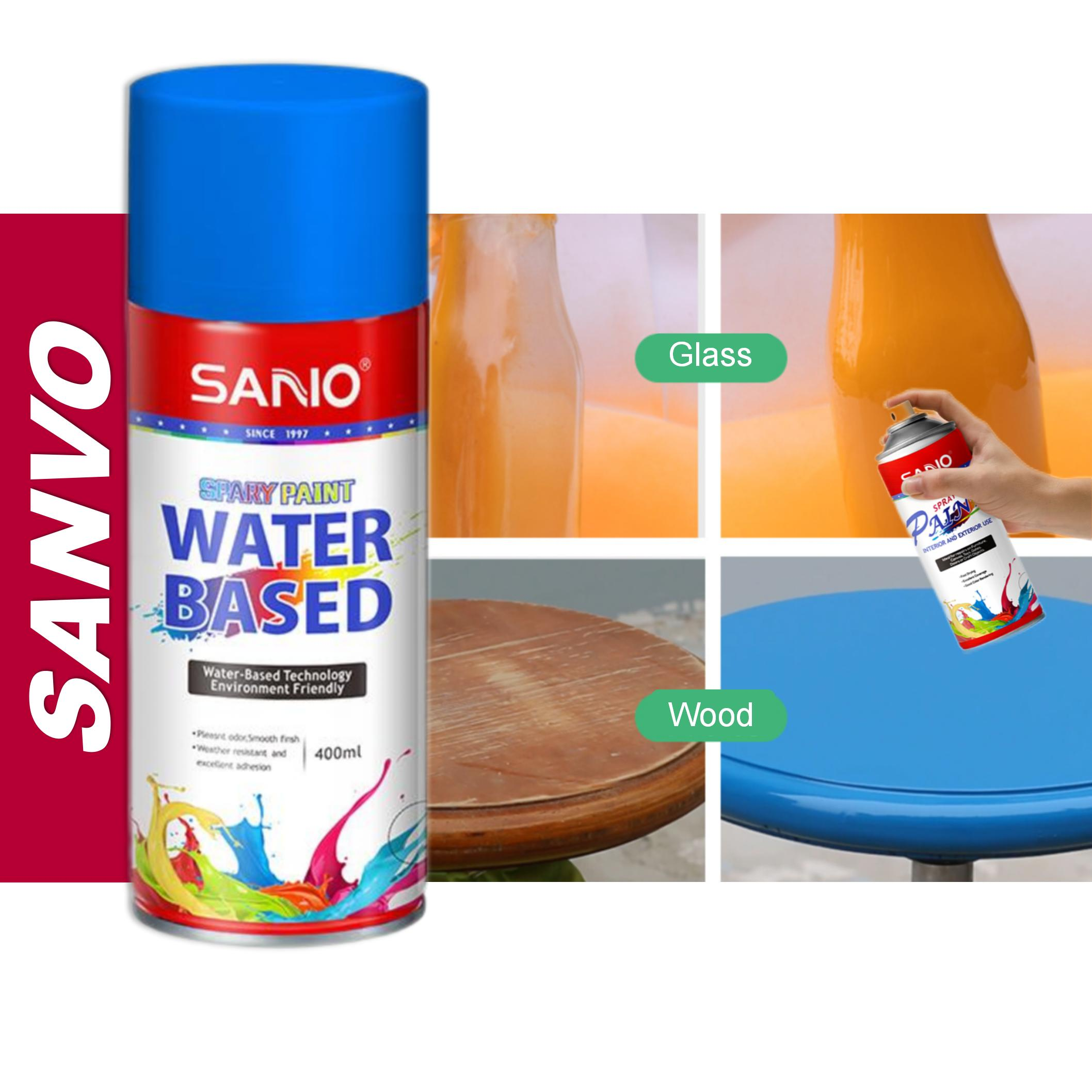
Decide from measured conditions, validated samples and clear test criteria. Require suppliers to provide application parameters and batch documentation, run a short qualification on the actual parts, and avoid assumptions about interchangeability. That practical, evidence-led approach points naturally to partners who supply tested formulations and application support like SANVO, because the solution lives in correct chemistry applied correctly rather than in hopeful brand loyalty.