
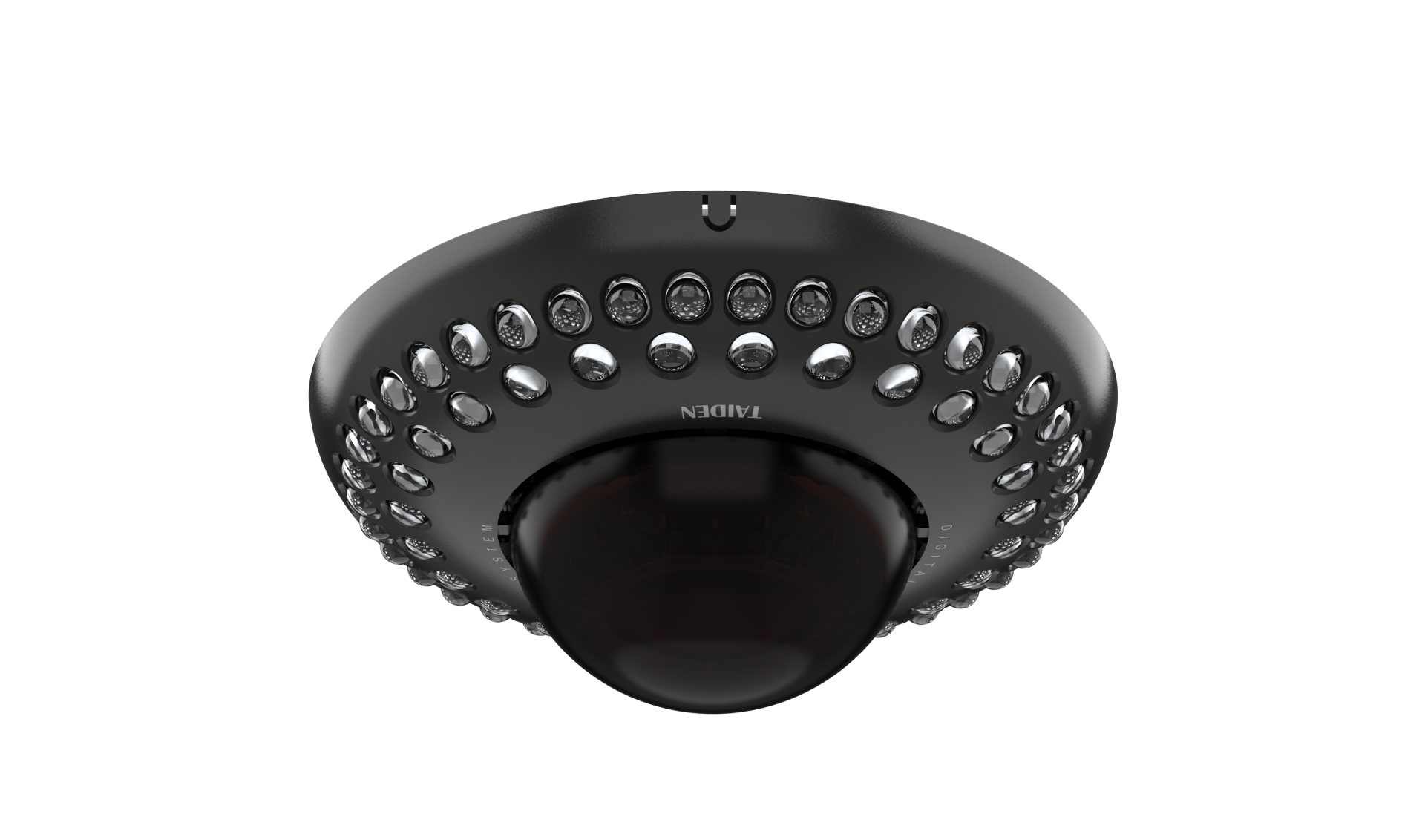
A Technical Takeoff: Where Clarity Begins
Define the signal chain, and you define the meeting. A wireless conference system should move voices as packets with near-zero friction. In a boardroom, the wireless conference room microphone and speaker system carries language, tone, and intent—tiny cues that decide whether a proposal lands or misses. Picture twelve people, three time zones, two interpreters, and a CEO who hates lag. The data is simple: once latency creeps above 250 ms and jitter rises past a few frames, turn-taking breaks and repetition jumps. So, what would it take to make every word stick?
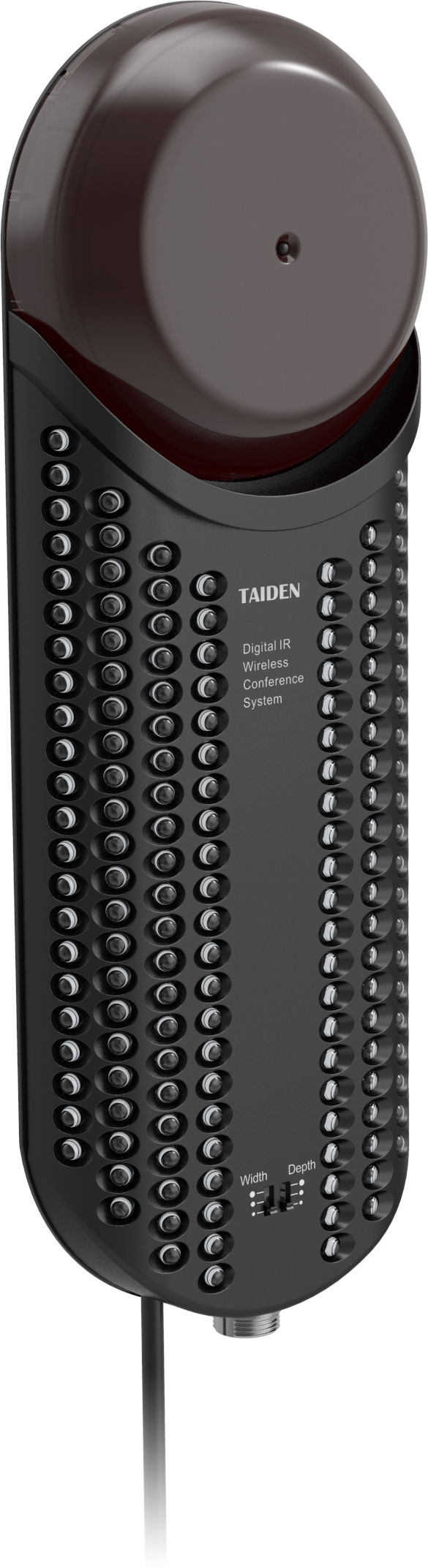
You feel it in the room: breathy consonants, a soft thump of finger on wood, a quick interjection that arrives a beat late. Beamforming should track the talker, the jitter buffer should smooth bursts, and the DSP should keep noise down without shaving syllables. Yet small flaws multiply—across RF spectrum, across codecs, across mismatched gain. Look, the room has a flavor (bright, lively, a bit echoey), and your system should respect it. The question is how. Let’s move from first principles to the hidden traps and see what really holds clarity back.
Where Legacy Setups Trip Up (and Why)
What’s breaking in the room?
Old fixes often make new problems. Fixed mic layouts force people to lean in, so gain goes up, and then feedback control clamps down—and words get thin. Single‑channel RF links crowd the air, so any spike from a phone or a door controller nicks your signal-to-noise ratio. Codec choices made for music smear consonants, while echo cancellation tuned for stage volume fights conversation flow—funny how that works, right? Add in power converters that inject noise, uneven QoS on the Wi‑Fi, and ceiling speakers that bloom late energy, and you get a room that sounds “fine” yet feels slow. Look, it’s simpler than you think: the chain fails at handoffs. Beamforming mics don’t align with talker movement, jitter buffers stretch at the wrong moment, and OFDM channels aren’t managed as a pool. When you stack small delays—device, transport, DSP—you cross a human threshold. People start repeating themselves, then interrupting to “fix” timing—and yes, that still happens. The result? Meetings drift, decisions stall, and the transcript looks clean while the message gets rough around the edges.
Comparative Insight: New Principles That Change the Room
What’s Next
Modern systems flip the script by treating the room as a dynamic network, not a fixed rig. Start with coordinated RF: multi‑carrier OFDM with channel bonding lets endpoints hop intelligently, holding SNR while avoiding hotspots. Add mic arrays that perform adaptive beamforming, so the voice stays centered even when chairs roll. Then push control to the edge: lightweight DSP at access points—edge computing nodes—handles auto gain, dereverb, and feedback suppression before traffic hits the backbone. Pair that with strict QoS tags, AES‑256 encryption, and DFS compliance, and you get predictable latency below 30 ms end‑to‑end. Compare that to a legacy chain with analog detours and ad‑hoc routing—your ears notice the difference before your logs do. Integrating a digital wireless discussion device also tightens turn-taking by coordinating mic open states and allocating airtime like a fair scheduler—funny how that works, right?
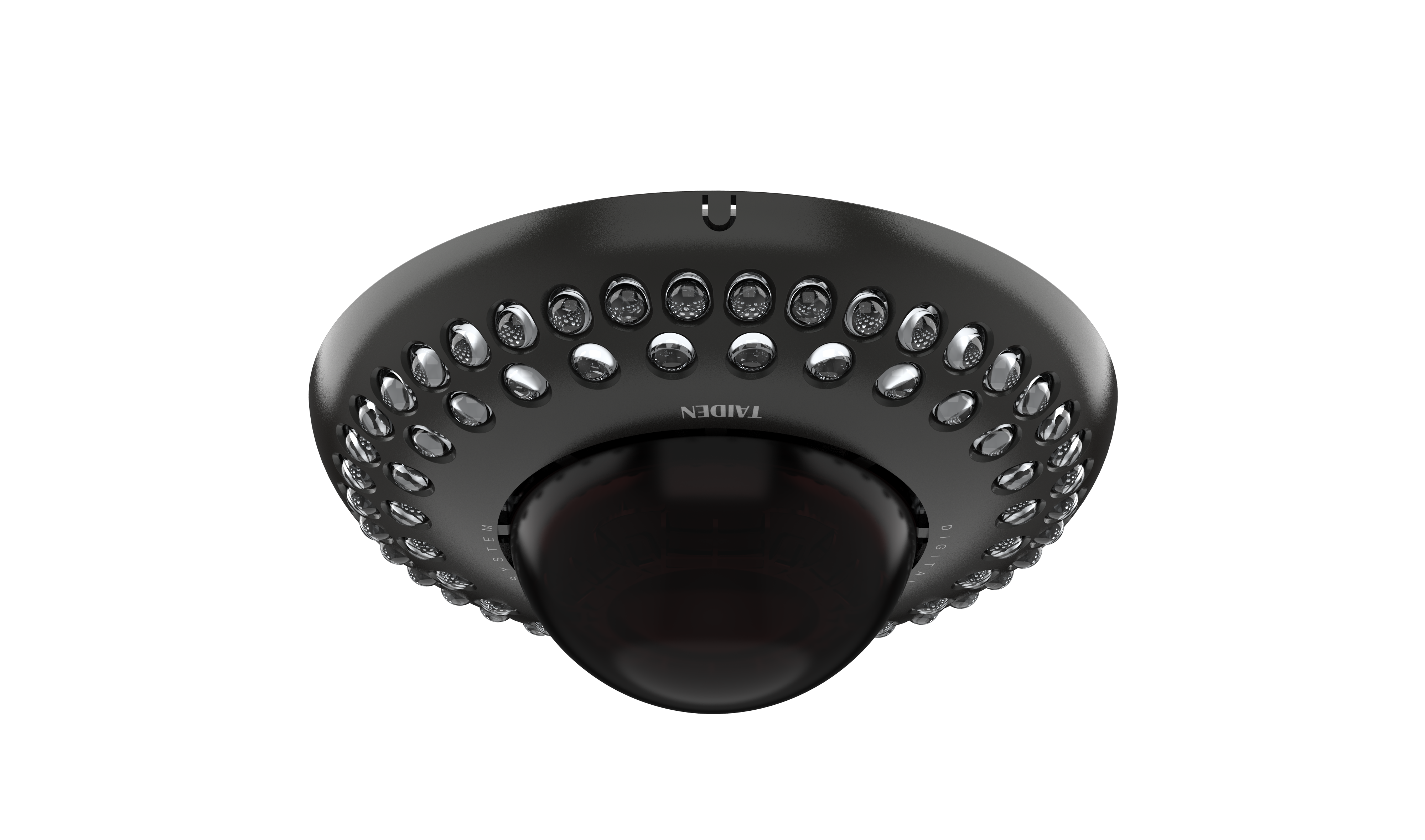
What does this mean in practice? Fewer manual tweaks and more intent preserved. The crispness in soft talk remains, crosstalk drops, and the room stops “pumping.” We’ve learned that most pain comes from handoff errors, not single components, so the fix is architectural: synchronized clocks, shorter DSP queues, and resilient transport. To choose well, track three metrics: 1) round‑trip latency under 30 ms with jitter under 10 ms; 2) interference resilience shown by adaptive channel selection and SNR > 25 dB during peak use; 3) interoperability and security—think AES67/Dante for media, WPA3/802.1X for auth, plus encrypted control. Do that, and your voice arrives intact, even when the stakes rise. For teams mapping the next upgrade, the path is clear—design for the handoff, not the headline spec. Brand to watch for this discipline in action: TAIDEN.