
Introduction
Launch dates don’t slip because of marketing; they slip because packaging misfires. Your acrylic cream jar is the smallest item on the BOM, yet it can hijack stability, shelf appeal, and timing—¡claro! Picture a PM hustling toward Black Friday: samples arrive late, caps squeak, color drift shows under store LEDs. Industry audits often peg 20–30% of beauty launch delays to packaging QA misses and supplier handoffs. So, if one jar can tilt the table, which specs matter most, and where do suppliers in different regions truly diverge (sí, we’re talking real-world differences, not brochure talk)? Do you optimize for clarity, torque consistency, or barrier behavior first?
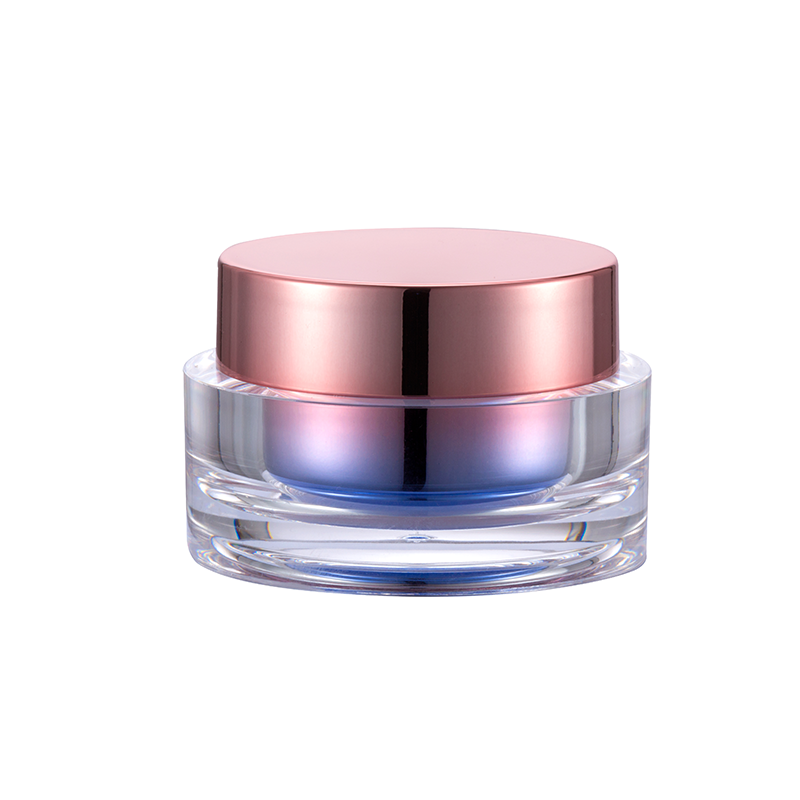
Let’s map the decision points, compare what’s under the hood, and see how those choices play out at scale—then we’ll get practical about the next move.
The Hidden Costs No One Quotes You
Teams often vet cost, MOQ, and lead time, then assume “jar is a jar.” It isn’t. The right acrylic cream jar manufacturer in china can show how tiny inputs compound: wall thickness variance changes screw torque, liner compression set drives micro-leaks, and colorants without UV stabilizers cause haze under store lighting. Traditional sourcing splits cap, body, and liner across multiple vendors—tolerance stack-up multiplies, and SPC data goes missing between handoffs—funny how that works, right? Add mold-flow blind spots, and you get sink marks near the gate or stress crazing with actives like glycolic acid. Look, it’s simpler than you think: if first-article data lacks torque curves, liner durometer, and a real COA tied to your resin lot, you’re testing luck, not product.
Why do leak tests still fail?
Two reasons dominate. First, mismatched liners: EPE behaves differently across climates; without altitude and temperature cycling, “pass at room temp” means nada in transit. Second, cap/jar interface: a pretty chamfer hides thread defects, and polishing can mask flow lines that turn into crack initiators. Add paint adhesion issues on metallized caps—poor surface energy or rushed primer—and scuffing shows up by week eight. Then there’s color. Pantone “close enough” isn’t close at retail; SAN blends push warm, PMMA runs cooler—your batch can drift if the masterbatch supplier swaps carriers. Injection molding fundamentals matter: gate location, venting, and post-cure all touch clarity and durability. Without a closed-loop QC plan and retained samples, repeat orders age unpredictably.
What’s Next: New Tech Principles for Fewer Surprises
The fix isn’t louder QC; it’s smarter specs plus upstream controls. A capable acrylic cream jar manufacturer should run mold-flow simulation to set gate and vent strategy before steel is cut, then validate with torque curves across humidity ranges. Digital color control beats “eyeballing”: spectrophotometer targets with ΔE tolerances protect against lighting shifts. For durability, hardcoat or anti-scuff clear coats on PMMA reduce shelf wear without killing clarity, and UV stabilizers tuned to your LED planograms prevent yellowing. If your formula is aggressive, spec a liner with the right compression set and chemical compatibility (F-217 or upgraded EPE variants), and define closure torque windows that your line can actually hit. Semi-formal note—this is not overkill, it’s how you maintain shelf parity in month twelve, not just at launch.
Recyclability is evolving, too. Near-infrared-sortable pigments and mono-material thinking help, while “look-through” acrylic aesthetics can stay intact via in-mold texture instead of heavy coatings. Want consistency at scale? Inline vision systems can catch gate blush and short shots before they box. Pair that with SPC on thread dimensions and documented seal integrity tests (vacuum plus pressure), and repeat orders stop feeling like a dice roll. And breathe. The comparative edge isn’t just “who’s cheaper,” it’s who bakes predictability into the tooling, resin, and test plan—early, not after a claim hits CS.
Before we wrap, here are three metrics to keep front and center when you evaluate partners and parts: first, torque stability across a humidity sweep (track mean and CpK, not just a single pass); second, color consistency via ΔE under D65 and store LEDs; third, leak performance after temperature cycling and ship-sim vibration. If a vendor won’t show these, you’re comparing price tags, not outcomes—y pues, that’s when surprises get expensive. For context and deeper spec discussions, you can benchmark against teams like NAVI Packaging without the sales fluff.