
Why your serum purchase is riskier than you think
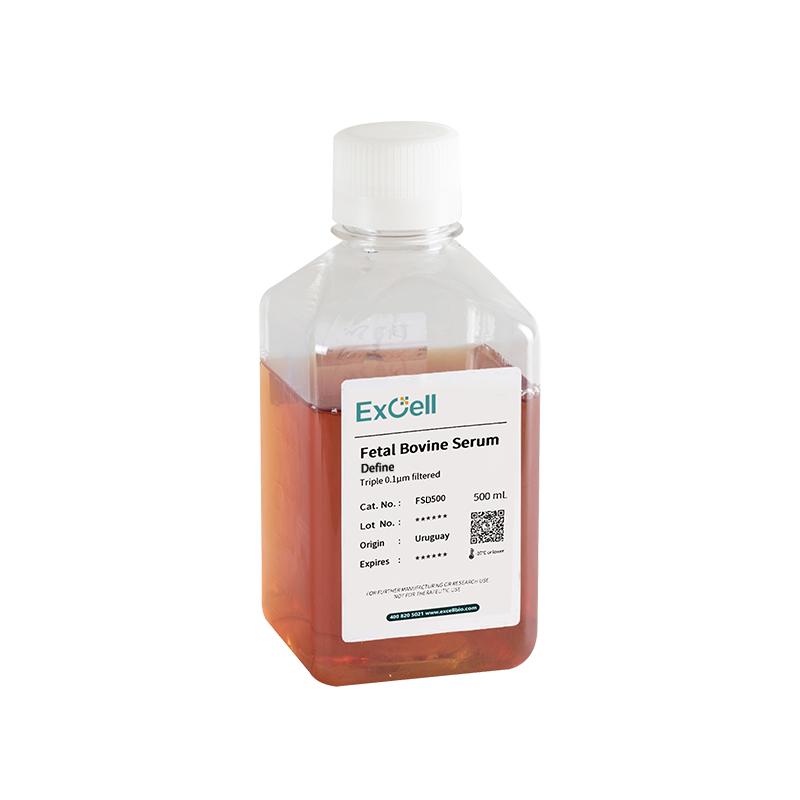
Most procurement teams treat serum like a commodity — and that’s a costly mistake. I recommend starting with the basics: I’ve negotiated many bulk buys and always push vendors on traceability for fetal calf serum. Fetal bovine serum shows up in budgets as a line item, but the real risk is in quality drift and hidden costs. Picture this: a mid-size lab in San Diego ordered 30 liters in March 2019 and recorded a 9% drop in cell attachment the first week after switching lots — that cost them two weeks of assays. So what do you do when a standard supplier test certificate doesn’t match your culture results? —and yes, that happened.

I’ve spent over 15 years in B2B reagent supply, so I’m not guessing here. I vividly recall a Saturday morning in 2018 when a client called because their HEK293 growth curve flattened after a lot change. We pulled batch records, compared endotoxin testing and heat inactivation history, and traced the difference to a supplier’s pooled source change. I prefer suppliers who give full lot-to-lot traceability (not a PDF summary). Look, I won’t sugarcoat it: the upfront price is rarely the whole story — there’s freight, testing, QC rejection, downtime. That reality pushes me to ask tougher questions during procurement.
Hidden pain points and why standard fixes fail
Why do lots still trip us up?
People lean on common fixes: heat inactivation, extra lot testing, or switching to serum-free medium. Those help sometimes, but they don’t solve the deeper issues like batch heterogeneity or inconsistent cryopreservation practices. In my experience, two things repeat: insufficient endotoxin testing and vague donor-source records. For example, a March 2021 lot we tested had endotoxin readings near 4.6 EU/mL on the vendor sheet but yielded >6 EU/mL on our in-house assay, and primary cells showed a measurable viability drop. That discrepancy cost the lab a replication run and a month of prep time.
Technical controls can mask problems. Heat inactivation reduces complement activity but can also alter growth factor availability. Lot-to-lot variability remains the main headache for primary neurons and stem cell cultures. If you rely on blind trust, you’ll see surprises: altered differentiation rates, inconsistent antibody production, or slower confluency. I’ve learned to require sample aliquots, run small-scale pilot assays with my own primary cells, and insist on cold-chain documentation for serum shipments — concrete steps that saved one university lab in Boston from a failed grant deadline in 2020.
Comparing routes forward and practical metrics
What’s Next?
Looking ahead, the choice isn’t simply between cheaper bulk serum and expensive certified lots. It’s about matching procurement strategy to experimental risk. I compare three paths: strict certified lots with full traceability, pooled commodity serum with aggressive in-house QC, or transitioning key assays to defined/serum-free media. Each has trade-offs — cost, supply security, and reproducibility. I recently recommended a hybrid approach to a midwest biotech in June 2022: reserve certified lots for critical cell lines, use pooled lots for routine expansion, and validate one serum-free protocol for sensitive assays. That plan cut reagent waste by 18% in the first quarter.
So how do you evaluate suppliers and options? Here are three practical metrics I use when advising lab managers and procurement specialists — simple, measurable, and directly tied to outcomes:
1) Traceability score: demand supplier records showing donor herd source, pooling details, and lot manufacture dates. If they can’t provide it, your risk of unexpected variability jumps. 2) In-house pass rate: run a 10-sample pilot with your crucial cell type (e.g., primary hepatocytes or CHO suspension) and require a minimum 90% pass on viability and growth metrics. 3) Cold-chain and QC turnaround: require temperature logs and an agreed max window for QC results (48–72 hours post-arrival). These three metrics cut downstream failures in labs I advise; measurable wins—concrete ones.
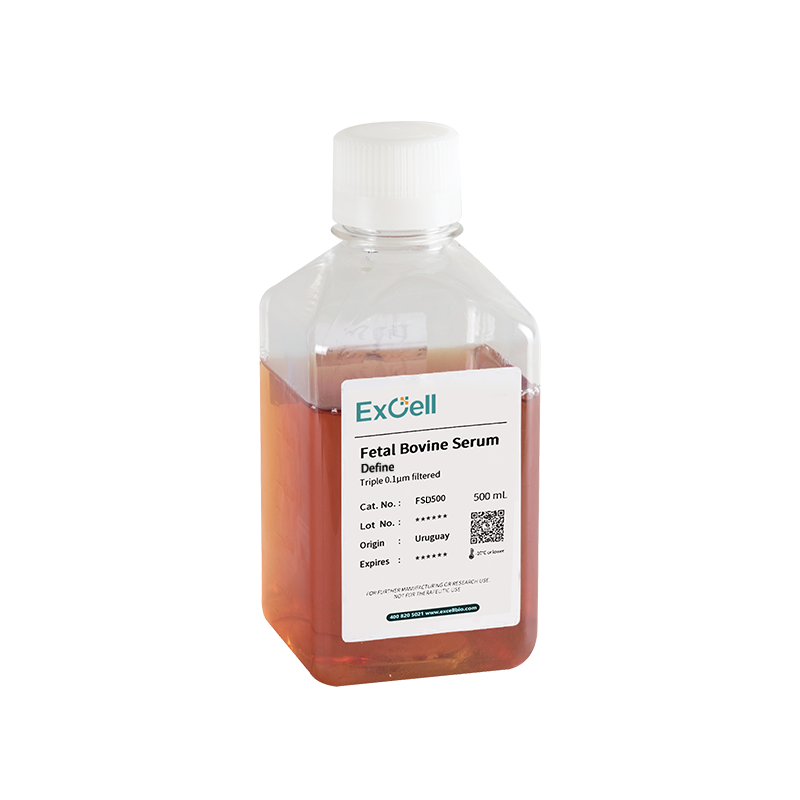
Weigh these measures against price and lead time. If reproducibility matters to your grants or production runs, pay a premium for certified lots and good documentation. If you’re scaling routine expansion, pooled lots plus strict in-house lot testing may be more practical. I recommend negotiating sample access and pilot testing clauses into supply contracts — it saves months of headache later. For trusted supply and more detailed specs, consider vendors who publish full lot data and support endotoxin testing on request. For more on reliable suppliers and my supplier checklist, visit ExCellBio.