
What should your team ask before buying explosion‑proof LED lighting?
Why this is a frequent headache
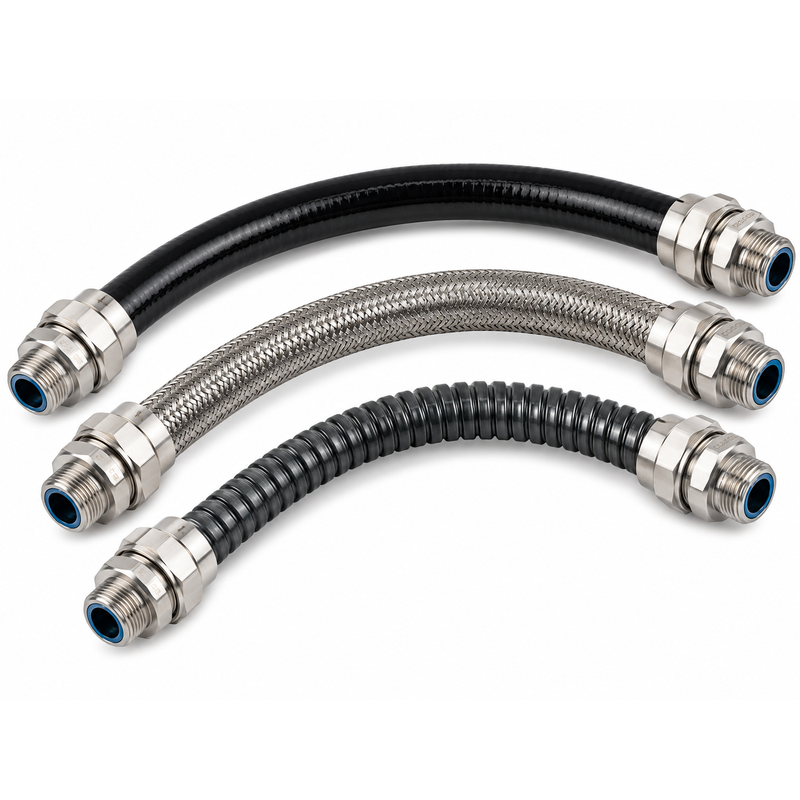
You’ve got multiple teams, a tight timeline, and enough jargon flying around to make anyone glaze over. When procurement touches hazardous‑area equipment, confusion eats time and budget. Start by clarifying whether you’re sourcing things like explosion proof electrical fittings or an explosion proof led light so everyone’s talking about the same items.
Define the non‑technical buying goal
Stakeholders need a simple, shared objective: what outcome will satisfy operations and project owners? Phrase it as operational needs, not technical specs. Examples: expected service life, acceptable delivery window, documentation the engineer needs for verification, and how spare parts will be handled.
Who should sit at the table
Line up the people who must sign off: project owner, procurement, the design/engineering lead, site operations, and the safety or compliance representative. Assign one person to coordinate supplier questions so responses aren’t scattered across emails and versions.
High‑level questions to ask suppliers and the engineer
Turn technical curiosity into procurement queries your team can compare. Ask suppliers for clear answers to: which product options they offer for hazardous locations, what supporting documentation they provide with each quote, expected lead times, warranty and spare‑parts availability, and what after‑sales support looks like. Ask your engineer which pieces of supplier documentation they require for approval and who will verify compliance before acceptance.
What to watch for in quotes and documentation
Compare quotes beyond the unit price. Look for delivery dates tied to firm lead times, clarity about what’s included (mounting accessories, spare parts, export packaging), and explicit documentation lists so your engineer can perform their checks. Confirm who bears shipping, customs, and storage responsibilities if timelines slip.
Common procurement pitfalls
Don’t let vague product names or assumed inclusions hide gaps. Avoid single‑vendor decisions without documented evaluation. Overlooking spare parts or failing to secure clear lead‑time commitments are cheap mistakes that create schedule risk. Keep approvals conditional on the engineer receiving the necessary supplier documentation.
Contract and logistics items to lock down
Make acceptance criteria administrative, not technical: require delivery to a specified site, receipt of labeled documentation, and confirmation that the engineer has received the files they asked for. Specify who funds expedited shipping or storage if timelines change. Plan for a clear handover process from procurement to operations so equipment isn’t left in limbo.
How to keep the process moving
Use concise RFI templates so suppliers answer the same questions. Set short, shared deadlines for document submission and engineer review. Keep decisions documented: date, approver, and which documents satisfied the approval. That reduces rework and finger‑pointing later.
Wrap‑up: tie the pieces together
This is a teamwork problem more than a technical one. Ask specific, comparable questions of suppliers, require a documented list of deliverables for your engineer to check, and assign a coordinator to keep the flow steady. When everyone’s roles and required documents are clear, procurement becomes predictable — which is exactly what helps teams move forward with confidence with a supplier like sunleem.