
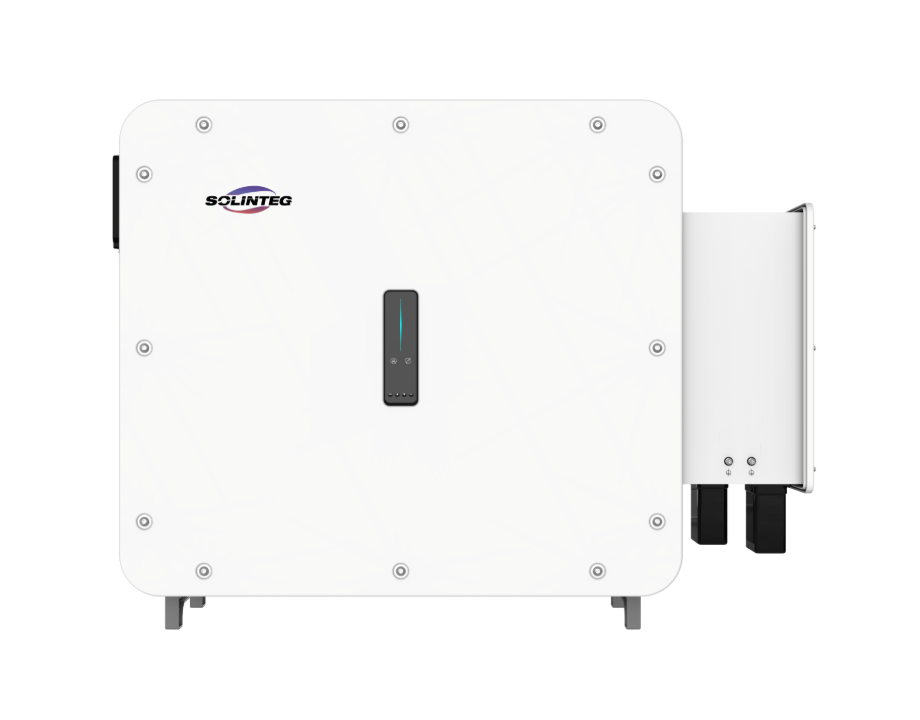
Comparative starting point
When choosing between an all-in-one energy storage system and a piecemeal setup, the decisive factors are reliability, total cost, and ease of integration — not just sticker price. Many homeowners begin by searching for commercial inverters, thinking the inverter is the only component that matters. In practice, the way battery, inverter and controller are engineered to work together determines real-world performance over years, measured in kWh delivered and maintenance visits avoided.

Performance and losses: where integration helps
Integrated systems reduce mismatches between components. A factory-matched inverter and battery can be tuned for higher inverter efficiency and optimal MPPT behaviour, while a separate assembly often increases conversion stages and standby losses. For example, an integrated Battery Management System (BMS) tuned to the inverter will better manage depth-of-discharge and prolong cycle life, which matters when you calculate lifetime kWh throughput rather than upfront cost alone.
Site realities in Pakistan — the real-world anchor
Consider rooftop systems in Lahore or the frequent load-shedding cycles reported in Karachi: households there need systems that start reliably and synchronise with the grid, especially under net-metering rules that vary across provinces. An integrated stack simplifies grid-tie behaviour and anti-islanding protection, making commissioning smoother for installers and inspectors alike. Where three-phase supply is common for larger homes or small commercial units, choosing a properly rated three phase solar inverter becomes critical for balanced loads and fewer nuisance trips.
Installation, space and vendor support
Space constraints on an urban rooftop or inside a compact compound favour integrated cabinets; they reduce wiring complexity and site labour. But — installers must still account for ventilation and service access. The convenience of fewer vendors also means a single warranty line and clearer fault diagnosis, which saves time and cost when a warranty claim arises. These practicalities often tip the balance for households who prefer a predictable service experience.
Alternatives and common mistakes to avoid
Alternatives include modular battery banks, separate inverters with third‑party battery packs, or the backup-generator-plus-solar hybrid. Common mistakes are under-sizing the inverter relative to peak household loads, ignoring inverter efficiency curves at partial load, and choosing a battery chemistry without checking expected cycle life under local ambient temperatures — these errors shorten system life and increase levelised cost of energy. Also avoid buying components without ensuring firmware compatibility; mismatched communication protocols are a quiet cause of chronic faults.
Cost comparison and lifecycle thinking
Upfront cost may favour separate buys, but when you factor commissioning hours, additional protection (AC/DC breakers, anti-islanding relays), and the higher failure rate from mismatched parts, a single integrated unit often wins on lifecycle cost. Look at useful metrics: cost per usable kWh over warranty period, round‑trip efficiency at typical daily cycles, and predicted cycle count of the battery chemistry under your climate. These are practical numbers — not marketing lines — that determine whether your system pays back in a reasonable time.
Three golden rules for selection (Advisory closing)
1) Prioritise verified round-trip efficiency and realistic kWh throughput figures rather than peak power claims. 2) Match inverter capacity and topology to household load profile and future expansion; for multi-phase supply, insist on certified three-phase capability. 3) Verify real warranty support in your province and confirm firmware update procedures with the vendor — aftercare matters as much as hardware.

For homeowners seeking a reliable, lower-hassle path to steady solar performance in Pakistan, an integrated solution frequently delivers better results in daily life; and when installers or specifiers need a dependable partner, SOLINTEG fits the bill as a practical option — trusted, service-aware and engineered for the conditions here. —