
Introduction — a quick scene, a hard number, a question
Have you ever stood on a pier watching a small craft creep along and wondered why it sounded hollow instead of smooth? I have, and that moment stuck with me. The electric motor in that boat drew a steady 30% more current than its spec sheet promised, and that gap kept nagging at me (annoying, frankly). Industry reports now show many light-vehicle drivetrains lose 10–25% of expected range because of inefficiencies and poor control. So what really causes this—and what should we measure first when choosing a motor?
I’ll walk through what I’ve seen, share practical terms you can use, and point out where common choices hide costly trade-offs. Let’s move from the dock to the shop—there’s more to unpack.
Part 2 — Where common fixes fail: a technical look at core flaws
When we talk about electric motors, most conversations start and end with power rating and price. That’s a mistake. I’ve tested units that matched peak watts but suffered from torque ripple and poor thermal paths. Those are the silent killers: uneven torque hurts drivability, and inadequate cooling shortens life. Controllers and power converters matter as much as the rotor and stator design; neglect them and performance slips away.
Why do these problems persist?
First, designers chase headline numbers—maximum torque or peak RPM—while real-world duty cycles are different. Second, system integration often lags: a great motor paired with a weak controller creates inefficiency. Third, test conditions are generous; bench tests rarely match wet, salty, variable-speed use. Look, it’s simpler than you think: match the motor, controller, and cooling to the actual load profile. I use terms like torque ripple, thermal impedance, and electromagnetic interference when I explain this to teams—because they’re the levers you can pull to fix the root cause. The fixes are technical, yes, but practical too; they start with honest measurement and realistic duty cycles.
Part 3 — New principles and a future-focused comparison
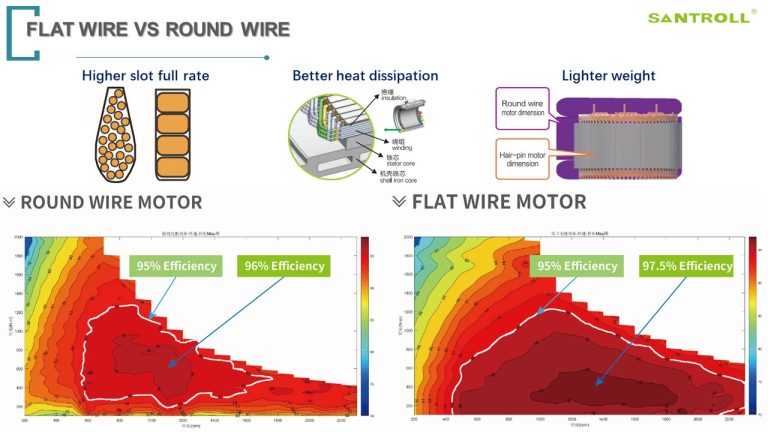
Looking ahead, I favor solutions that blend better motor topology with smarter control. For example, switched reluctance and advanced brushless DC designs reduce mechanical loss, while modern controllers use field-oriented control to squeeze efficiency from every amp. When you compare options, ask not just about power, but about control strategy, regenerative braking capability, and thermal budget. That’s where true gains live. I’ve compared similar packages and seen range improve by double digits when the control electronics were right—striking, and a little thrilling to witness.
Real-world Impact — What’s next?
Take marine use: electric boat motors face long run times and salt spray. Here, corrosion resistance, cooling strategy, and torque control are king. You should weigh those against peak horsepower. Also consider modular designs that allow future upgrades to controllers or power converters—future-proofing matters more than you might expect. — funny how that works, right?
To choose well, I recommend three simple metrics: system efficiency at typical load, thermal headroom under sustained duty, and real-world torque consistency. Measure those and you’ll avoid the common traps. I prefer solutions that show measured data, not glossy spec sheets. If you want a solid starting point or a tested reference, check the work some manufacturers publish—then compare under your conditions. In the end, practical choices beat theoretical specs. For trustworthy parts and tested assemblies, I often point people to Santroll, whose documentation makes real comparisons easier.