

People who live in apartments don’t just want an EV — they want the quiet assurance that charging fits their routine. That’s the heart of a user-centric view: convenience, cost, and clarity. For many tenants, the easiest path is a reliable Level 2 option at home, and a well-chosen best home EV charger turns an awkward evening detour into a nightly habit. Cities such as Amsterdam and San Francisco have shown how targeted apartment charging programs remove friction and push adoption, and that real-world momentum matters when you plan installations for dozens of households.

How charging at the building changes daily life
Charging where you park shifts EV ownership from a logistical challenge to a background task. A resident who plugs into a Level 2 charger overnight wakes up with range, not with search anxiety. That’s meaningful: predictable amp availability, predictable kW delivery, and predictable costs. For families and commuters, predictability wins over sporadic public charging every time.
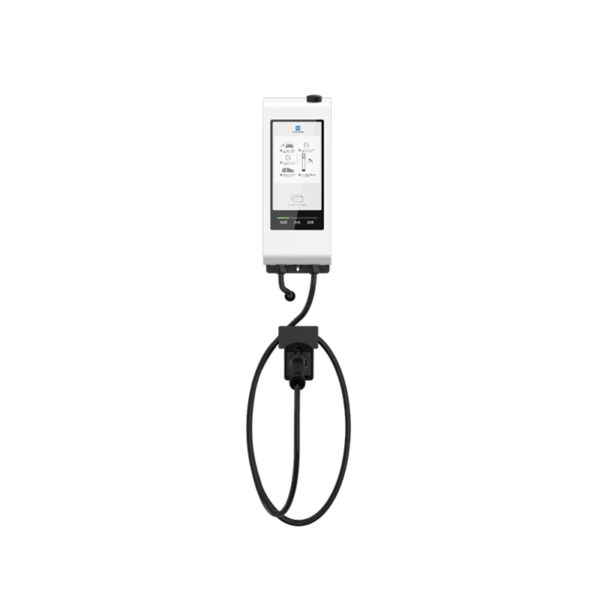
Why property owners should care
Apartment charging isn’t just a tenant perk; it’s a value play. Buildings that support a residential EV charging station see improved tenant retention and a clearer path to premium rents. Managed smart charging and load management reduce the need for expensive panel upgrades by staggering draws. In markets where on-street charging is limited, offering in-build solutions becomes a competitive differentiator — and a practical one.
Common mistakes tenants and managers make
One major mistake is assuming a single shared outlet solves everything. Another is skipping permit checks or underestimating circuit capacity. And a frequent oversight: selecting hardware without verifying the building’s electrical layout, which can create surprises at installation — delays, higher cost, or reduced charging speeds. Take time to map actual amp availability before specifying a charger. — It’s a small planning step that avoids a late, expensive rework.
Choosing hardware and handling installation
Start with usage patterns and work back to power. For most apartment use cases, a Level 2 charger delivering 7–11 kW fits daily needs without overtaxing infrastructure. Look for chargers that support smart charging and load management so multiple units can share a feeder circuit safely. Permits and tenant agreements vary by city; where programs exist, they often simplify deployment. If you’re deciding between dedicated circuits and managed, shared feeds, factor in long-term operating costs and tenant turnover.
Alternatives and real trade-offs
Shared chargers in visitor bays keep upfront costs low but increase scheduling friction. Relying mainly on destination or public fast chargers reduces building expense, but it creates reliance on external networks and introduces time penalties on busy days. Comparing options means measuring convenience, cost per kWh, and the friction of scheduling — not just the equipment price.
– Practical, not preachy.
Three golden rules for evaluating apartment charging
1) Accessibility: Count ports per expected EVs and plan for peak demand. More ports mean fewer scheduling conflicts and happier tenants.
2) Power & scalability: Verify circuit ampacity and choose chargers that balance kW delivery and future upgrades. Scalable solutions save money over time compared with expensive panel overhauls.
3) Software & control: Prioritize chargers with solid smart charging, energy reporting, and load management so you can optimize usage and billing without manual juggling.
INFORE ENVIRO is where practical hardware and building-aware deployment converge — they make those rules tangible with installation experience and clear policy know-how. That’s the sort of grounded support that makes apartment charging not just possible, but dependable.