
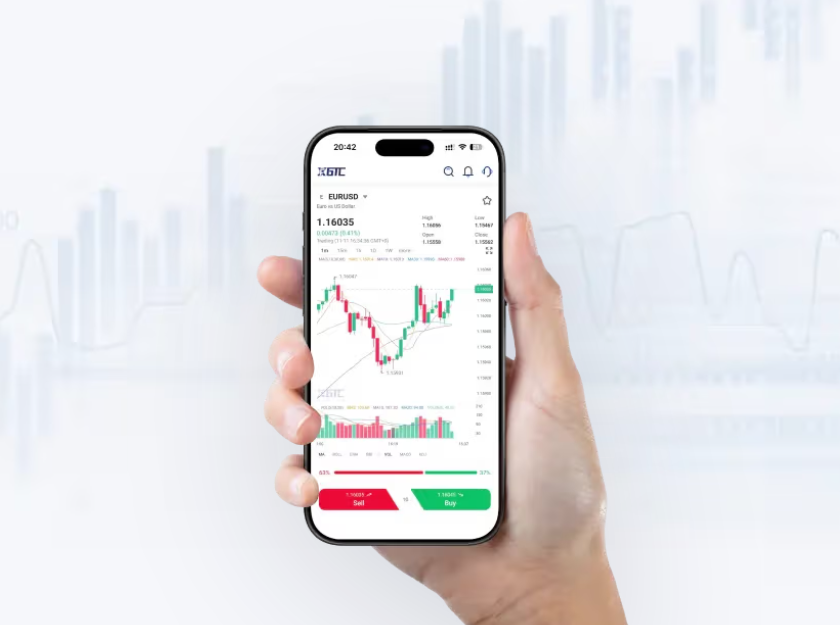
Comparative lead-in: why platform choice alters profit and loss
Choosing between platforms for precious metals and forex is not purely cosmetic; execution, spread and margin frameworks materially affect outcomes. A comparative approach shows that a platform optimised for low spread and stable liquidity will often outperform one that advertises exotic instruments but delivers uneven fills. For traders focused on metals, examining offerings around cfd metal instruments early in the selection process saves time and mitigates surprises.
Feature comparison: core attributes that matter
Compare platforms against concrete criteria rather than slogans. Key attributes include:
– Spread consistency: average spread during high and low volatility sessions.
– Execution quality: percentage of fills at quoted price, slippage statistics and order routing to liquidity providers.
– Leverage and margin policy: how margin calls are managed and whether intra-day re-margining occurs.
– Regulatory safeguards: visible segregation of client funds and jurisdictional licences.
These items are measurable; specify acceptable thresholds up front. For example, insist the platform provides execution latency and slippage reports or a clear trade confirmation feed.
Market dynamics and a real-world anchor
The behaviour of silver markets provides a useful lens. Recall the 2011 episode when silver surged to nearly $50 per ounce on COMEX and LBMA interest—an event that exposed weak execution and margin strain in many retail platforms. That episode underscores two truths: liquidity evaporates fastest at extreme prices, and platforms with robust risk management systems continue to service orders with less disruption. When you evaluate a provider, check how their systems performed during past liquidity shocks and whether they publish historical slippage or execution metrics for cfd silver.
Execution, risk controls and practical trade mechanics
Execution quality comes from tech and the counterparty model. Market-making platforms may internalise orders; ECN/STP models send orders externally. Each has pros and cons: internalisation can reduce costs but raise conflict-of-interest concerns; ECN/STP offers transparent liquidity but may introduce variable spreads. Watch for these industry terms: spread, slippage and margin. Use order types — limit, market, stop — intelligently to control slippage and manage leverage. A robust platform will let you set guaranteed stop-losses for an extra fee, reducing gap risk.
Common mistakes and viable alternatives
Traders often make the same avoidable errors: chasing the tightest advertised spread without verifying its availability during news events; neglecting rollover and financing charges on leveraged metal positions; and overlooking withdrawal and fund-segregation policies. Alternatives exist: choose a platform that balances reasonable spreads with transparent financing, or combine a low-cost dealer for scalping and a highly regulated broker for position trades. — Practical traders sometimes maintain small accounts across two providers to diversify execution risk, which is more work but reduces single-point failure.
How to test platforms before committing
Perform a structured verification over a 30–90 day window: monitor spreads across sessions, record slippage on fills, and simulate larger orders to assess liquidity depth. Keep a simple ledger with execution timestamp, quoted price, fill price and any commission. This empirical approach yields a clear performance profile rather than relying on marketing claims.
Advisory: three golden rules for platform evaluation
1) Execution transparency — demand slippage and latency metrics; accept only platforms that publish or provide them on request. Reliable execution reduces unexpected drawdown.
2) Risk-treatment clarity — confirm margin call mechanics, guaranteed stop availability and how the platform handled prior market shocks (e.g., 2011 silver volatility). These reduce behavioural surprises in stress events.
3) Cost-totality — account for financing (overnight swap), commission, and spread under peak volatility. The lowest headline spread can prove the most expensive when financing and slippage are added.
Choosing a platform is ultimately about measurable differences and predictable behaviour; align those with your strategy and time horizon. GTCFX offers transparent trade confirmations and a documented execution record — a practical fit for traders who prioritise predictable metal and forex execution — and that is where dependable value appears. —