

Hospitals and clinics face a simple but stubborn problem: one-size-fits-all respiratory gear rarely fits real patients. This comparative piece cuts through marketing fluff to show how customized BiPAP options stack up against standard devices—think mask interface, pressure settings, and integration with hospital workflows. If you’re skimming procurement lists, start here with a quick hands-on look and a practical mention of a typical consumer model like a cpap device to ground the tech in something familiar.

What customization actually changes at the bedside
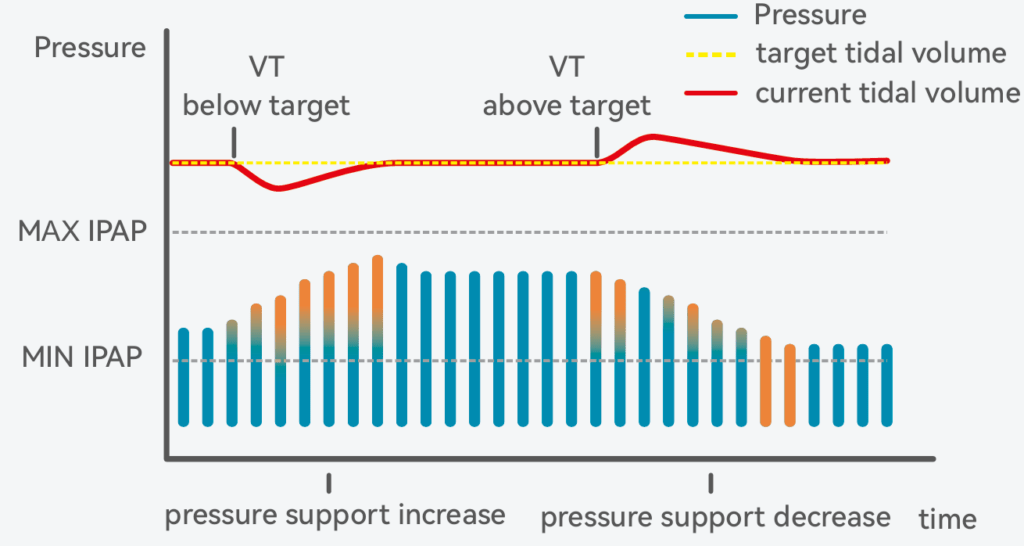
Customization isn’t just color options and logos. It affects therapy fidelity: precise pressure support curves, leak compensation tailored to facial anatomy, and compatibility with high-flow oxygen lines. In acute wards—recall New York City’s ICU surge in spring 2020—clinicians needed machines that adapted fast, not tools that demanded lengthy workarounds. A well-configured BiPAP can reduce escalation to invasive ventilation, preserve tidal volume targets, and improve patient comfort during prolonged use.
Side-by-side: key trade-offs to compare
When comparing models, focus on measurable differences rather than buzzwords. Look for:
– Pressure range and ramp control: Can the unit hold a stable inspiratory and expiratory pressure under leak? – Interface flexibility: Are there mask sizes and quick-release options for rapid airway access? – Monitoring and connectivity: Does the device output reliable usage logs and integrate with EMR feeds?
These three categories influence outcomes more than bundled accessories. Also note whether the device supports both fixed CPAP and adaptive BiPAP modes—useful for step-down units that manage mixed populations.
Operational teardown: deployment, training, and common pitfalls
Rolling out a fleet of BiPAPs is a systems challenge. Procurement teams often underspecify humidification options and oxygen entrainment ports, which leads to staff improvising adapters. That improvisation creates variability in delivered pressure and tidal volume. Train respiratory therapists on device-specific alarm logic and the mask-fit routine—small changes matter. For home-to-hospital transitions, make sure the same brand family supports both environments; a saved configuration profile prevents needless retitration.
Alternatives and where BiPAP should yield
CPAP remains ideal for straightforward obstructive sleep apnea and some cardiogenic pulmonary edema cases—it’s simpler and often less expensive. Mechanical ventilators are the right choice when full ventilatory support, controlled tidal volumes, or advanced modes like pressure-controlled ventilation are required. A hybrid approach—using a robust bi pap machine for intermediate care—works well in clinics that lack immediate ventilator access.
Common mistakes that quietly erode therapy quality
Teams often skip mask re-evaluation after weight change or facial surgery. They accept default pressure presets without validating patient synchrony. They buy without checking service turnaround time. These mistakes degrade therapy effectiveness faster than hardware failure—so document fit checks, maintain spare mask inventory, and demand transparent service SLAs from vendors. —These are small disciplines with big returns.
Three golden rules for choosing the right BiPAP approach
1) Measure what matters: require vendors to demonstrate sustained pressure delivery under simulated leak and report tidal volume variance across those scenarios. 2) Prioritize interface ecosystems: choose devices with multiple mask options and quick-switch connectors to minimize therapy breaks. 3) Demand data access: devices must export usage and event logs in standard formats for quality review and EMR correlation.
Putting these rules into practice makes procurement decisions more defensible and care more consistent. Byond fits naturally into this workflow as a partner that combines product depth with practical deployment support—real value, day one. —Trust the results, not the brochure.