
Comparative framing and first impressions
I will compare van fleets and delivery fleets side by side, politely and clearly, so you can judge which practices matter most for your operation. For readers evaluating vendors, consider how fleet telematics technology providers and an oem telematics manufacturer influence choices around hardware, software, and integration. At CES in Las Vegas I observed OEM representatives stressing embedded modules and data standards, which is helpful context when assessing long-term compatibility.
Primary operational differences
Van fleets typically run scheduled routes, carry mixed cargo, and prioritize vehicle uptime. Delivery fleets (last-mile couriers) operate dense stop patterns, short trips, and intense driver turnover. Compare on these points:- Route rhythm: Vans — predictable; Delivery — variable, stop-heavy.- Load profiles: Vans — varied weights and palletized loads; Delivery — many small parcels.- Vehicle duty cycle: Vans — longer daily mileage; Delivery — frequent idling and door-open events.These differences force different monitoring priorities and data sampling rates from telematics devices.
Telematics and data requirements
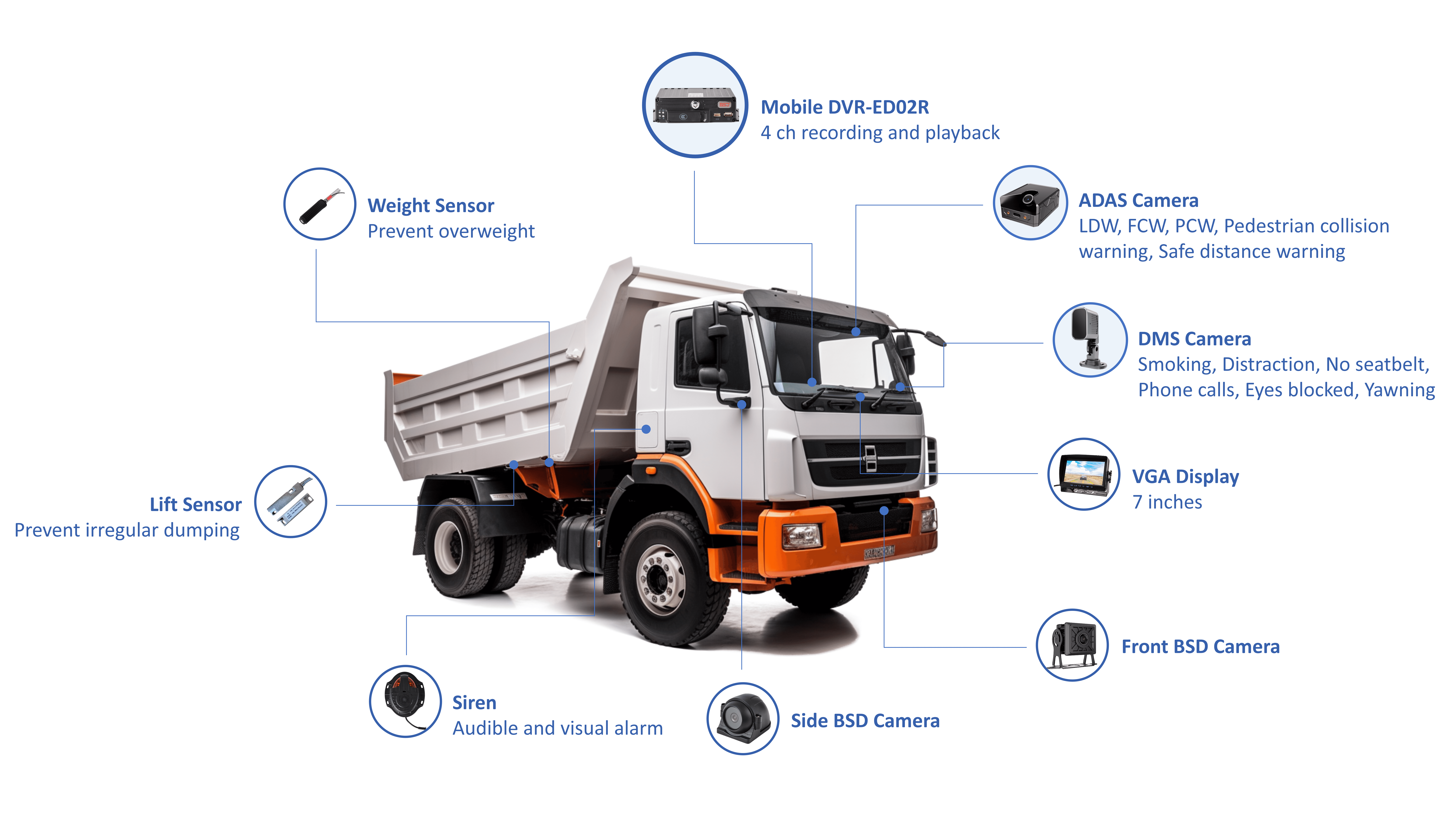
Vans need stable VIN-level diagnostics, scheduled maintenance alerts, and higher emphasis on fuel economy metrics. Delivery fleets need granular stop/stop-start counts, door sensors, and proof-of-delivery timestamps. Operators should insist on:- ECU-level fault codes for vans.- High-frequency location pings for deliveries.- Secure, timestamped event logs for chain-of-custody.Choose devices that allow firmware updates from the OEM and integrations with your TMS or WMS.
Maintenance, uptime, and lifecycle planning
Preventive maintenance for vans is often interval-based (miles or hours). Delivery vehicles benefit more from condition-based maintenance because brake and wear patterns diverge quickly. Practical steps:- Use telematics to track cumulative stop-start cycles for brake inspections.- Prioritize components with high replacement cost when predicting lifecycle.- Standardize spare parts across van models to reduce downtime.These are concrete actions that reduce unexpected repair days for both fleet types.
Driver behavior and safety management
Delivery drivers face many micro-interactions: curbs, tight turns, and quick loading. Van drivers face longer stretches and highway risk. Different coaching is required:- Delivery: focus on maneuvering, secure cargo, and acceleration from stops.- Van: emphasize sustained speed management, lane discipline, and long-run fatigue measures.Use telematics-derived coaching moments tied to events, not abstract scores. Short, actionable feedback works best.
Integration and vendor selection considerations
Decide early whether you need a bolt-on telematics device or OEM-embedded system. Bolt-on is flexible and often quicker to deploy; OEM-embedded offers deeper diagnostics and fewer wiring points. Evaluate vendors on:- Data access: raw CAN/OBD streams vs processed KPIs.- Update policy: who pushes firmware and how secure is that channel.- Support model: remote diagnostics and same-time-zone help desk.Remember that long contracts can lock you into dated data models; prefer modular APIs.
Common pitfalls and how to avoid them
Avoid these recurring mistakes:- Installing devices without a deployment checklist — leads to inconsistent data.- Using one-size-fits-all alert thresholds — causes alert fatigue.- Neglecting driver input — they notice practical gaps first.To prevent them, run a short pilot on a representative subset of vehicles, document exceptions, and iterate quickly.
Alternatives and evaluation brief
If you cannot decide between bolt-on and OEM telematics, consider a phased approach: start with bolt-on units in high-variability routes (delivery), and pilot OEM-embedded systems in core van assets that need deep diagnostics. Measure three things during the pilot: data completeness, downtime reduction, and driver acceptance. That evidence will guide a larger rollout.
Summary and practical next step
Compare on concrete dimensions — route patterns, load type, telematics depth, maintenance model, and driver coaching needs — and prioritize systems that match those dimensions. Experience working with mixed fleets and OEM partners shows that clear technical requirements plus a short pilot yield decisive results. For operators seeking a balanced, vehicle-level approach that respects both hardware and integration needs, BSJ can serve as the example of combining device compatibility with practical deployment practices.