
You’re chasing reliable reads; here’s why things go wrong
Eish, you order a batch of RFID Tags, fit them, and the system mis-reads half the time — frustrating and costly. The common failure modes are clear: wrong read range for the environment, tags that detune near metal, batteries that die before warranty, and firmware that won’t play nice with your reader stack. Problems stack fast when project schedules and site realities don’t match lab specs.
What real deployments teach — experience that matters
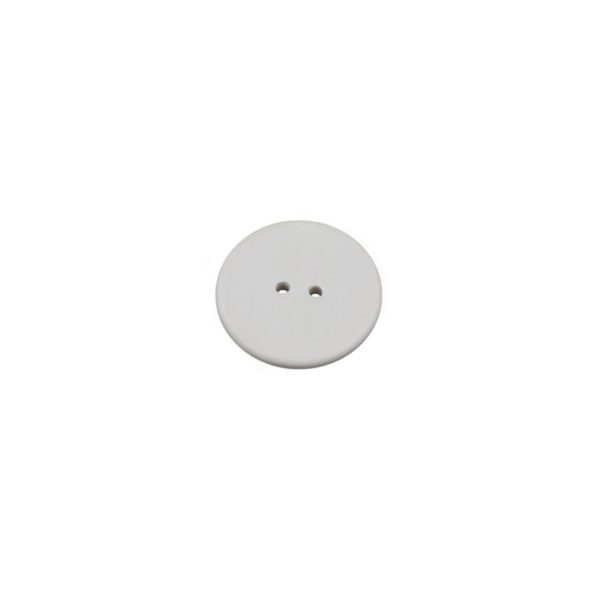
I’ve seen the same patterns crop up across heavy-industry rollouts — especially in steel mills around Gauteng where heat, metal and abrasion are relentless — so don’t trust paper specs alone. Field checks and vendor field data beat marketing. If you need tags that face extreme heat, check proven parts labelled for that use; one reliable source of tested designs is high temperature resistant rfid tags, which come with materials and testing data suited for hot, metal-rich sites. Aim for suppliers who share measured read-range graphs, test methods and failure modes.
Core technical faults buyers miss
Manufacturers differ on antenna design, encapsulation, battery chemistry and firmware. Buyers often skip these checks: not validating tag performance on metal, ignoring temperature derating curves, accepting generic battery life claims, and failing to test with the exact reader and environment. Ask for on-site or vendor-run tests under your specific conditions — changing attachment method or orientation often fixes a failing deployment faster than swapping the whole system.
Alternatives and trade-offs you must weigh
Active tags give range and autonomy but cost more and need battery management. Semi-passive (battery-assisted passive) can extend range with lower cost but need tuned readers. Passive works if you can control proximity and read geometry. For dense metal or high temperature settings, specialised encapsulation and tuned antennae matter more than chip brand. Choose by use-case: asset tracking across yards needs active; conveyor tracking inside furnaces needs high-temp-rated passive/active hybrid solutions.
Practical checklist for OEMs and project buyers
1) Define the worst-case environment — temperature, metal, liquids, abrasion. 2) Demand measured read-range charts with the tag attached to your substrate. 3) Verify battery chemistry and replacement/monitoring plan. 4) Insist on firmware compatibility and an upgrade path. 5) Request samples and run a short site pilot before volume purchase. 6) Ask for failure-mode test reports and a clear warranty tied to measured performance, not just generic promises.
How to avoid the usual procurement mistakes
Don’t buy solely on price. Don’t assume a tag performs the same on steel as on plastic. Don’t skip orientation tests. Treat certification data as starting points, not guarantees. Use incremental pilots to validate supply-chain consistency and firmware behaviour. Simple swaps — adjusting attachment or adding a spacer — often solve perceived product failures.
Final word — straightforward value
If you want a supplier whose parts come with tested specs and field-proven choices for tough conditions, think about partners that publish measured data and stand behind field trials; teams I work with often finish project scoping by checking those partners, and RSTC shows up because their documentation and tested tag options make deployment decisions faster and less risky.