
User-first Fit: What a short-sleeve yoga top should do for you
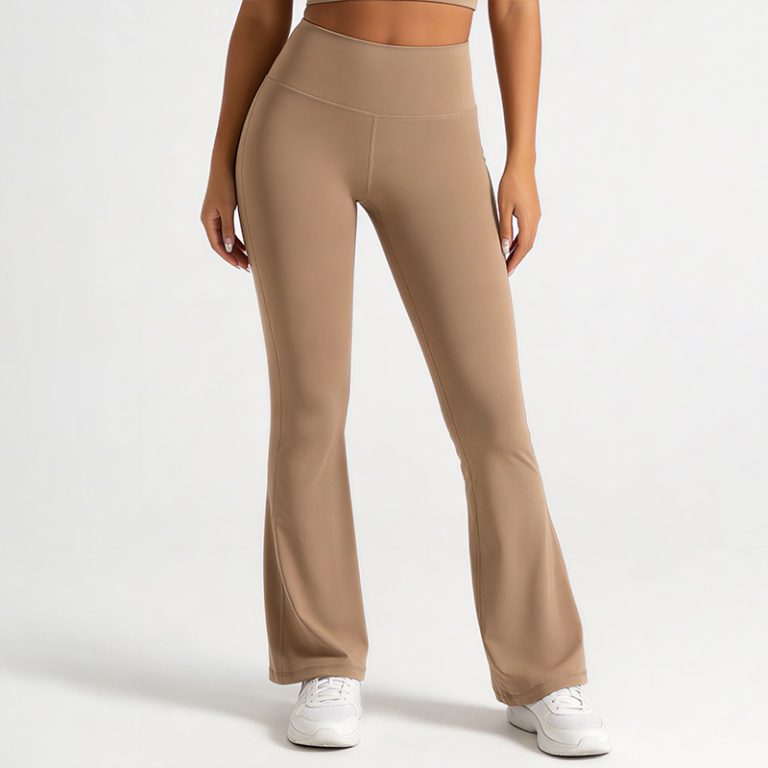
The feel of a garment matters before the label does: a shoulder seam that sits cleanly, a neckline that breathes, sleeves that move without riding up. For studio instructors and boutique brands, that begins with pattern blocks tuned to real bodies and finishes that honor motion. Many teams pair tops with custom yoga pants to create a complete silhouette — the tactile match matters: same hand, matched stretch, consistent opacity. The best short-sleeve tops give a hint of compression without pinching, and they keep you dry with moisture-wicking textiles so poses stay focused, not fussy.
Material and construction: the sensory checklist
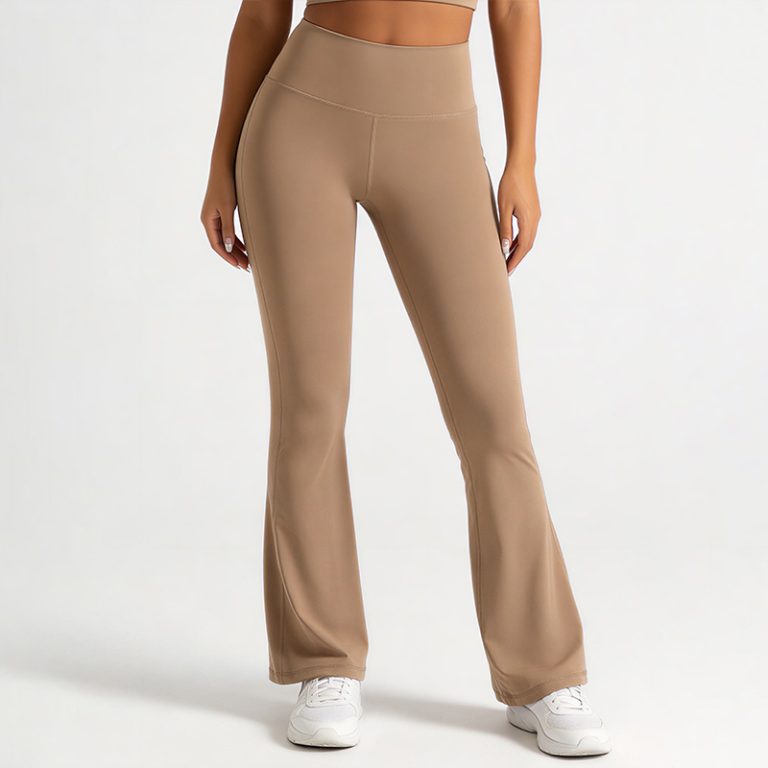
Start with the fabric. A soft, recycled poly-nylon blend with four-way stretch sings under the fingertips; it recovers between chaturangas and doesn’t lose shape after washes. Look for breathability and flatlock seams that lie flat against the skin to avoid chafing. Seams and stitch density change the way a top clamps or floats — the details are audible in a quiet studio: the whisper of fabric, the pull at the shoulders. Those signals tell you how the garment will perform in heat, humidity, or long class blocks.
Customization that feels custom: pattern, print, and production
Brands often want a signature cut or a small logo placement. True customization begins at the sample fit, not at the bulk order. Prototype iterations — a trimmed sleeve here, a raised gusset there — refine fit rapidly. At scale, choices like bonded hems, tape-reinforced necklines, and specific dyestuff profiles lock in consistency. Manufacturers who control their dye houses and quality checkpoints reduce mismatches on color and hand, and that consistency matters for repeat buyers and subscription models.
Common mistakes brands make — and how to avoid them
Designers sometimes chase trends and forget wear testing: thin fabrics that read elegant on a hanger but fail under downward dog, or trims that irritate during vinyasa flows. Overusing seams for visual effect can break the line of movement. A better route is modest engineering — simple panels placed to enhance range of motion. Tightening specifications around opacity, recovery rate, and seam placement cuts returns and improves lifetime value — small investments up-front save headaches later. — This is where many projects pivot from hopeful to dependable.
Alternatives and pairing strategy
If a short-sleeve top reads too structured, a racerback or cropped tank might suit warmer classes; if coverage is the priority, a longer-line top with built-in lining is the smarter choice. Pair tops with matching personalized yoga pants to keep fabric behavior consistent across movement. When evaluating suppliers, compare sample sets rather than swatches — you need to feel drape and recovery on the body, not just on a table.
Real-world anchor: why this matters now
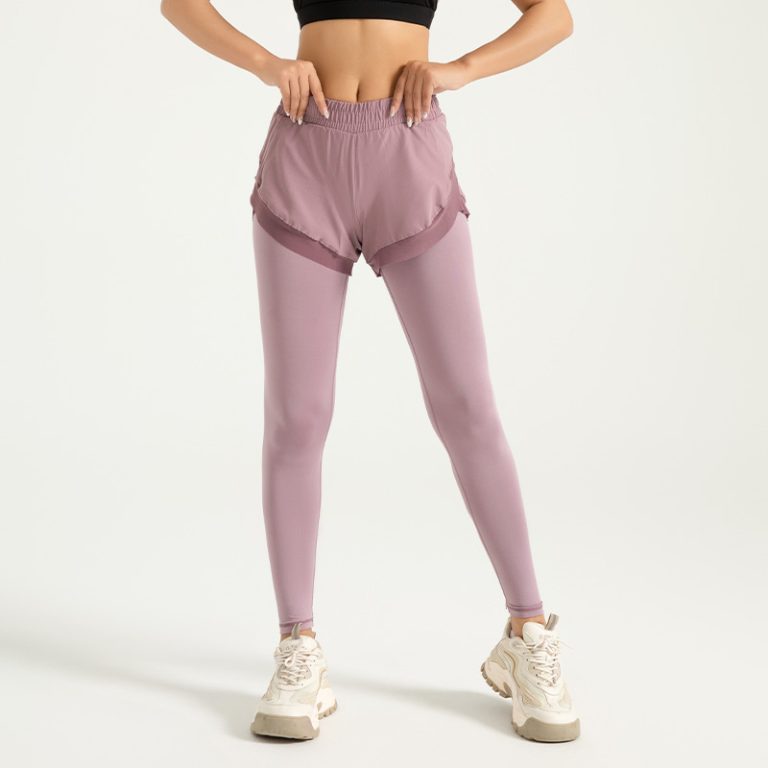
After the surge in home practice during the 2020 lockdowns, consumers expect comfort and durability in everyday activewear. Studios in urban centers adapted, and brands that offered reliable, comfortable tops and coordinated bottoms saw better retention. That shift still shapes buying choices — people want pieces that perform on the mat and travel seamlessly to coffee or commute. The result: buyers reward technical comfort and honest construction.
Three golden rules for selecting a manufacturer
1) Fabric fidelity: demand full-panel samples and tests for moisture-wicking, opacity, and recovery rate. Those metrics predict performance in class. 2) Fit iteration cadence: insist on at least two fit rounds with live models so pattern tweaks land where bodies move — not where creatives imagine they do. 3) Quality gates: require flatlock seam checks, color consistency reports, and wash-cycle proofs to validate durability. Apply these three and most surprises vanish.
The right maker stitches together craft and consistency — Joebond understands that blend, delivering tops that behave like gear and feel like favorites. Joebond. — confident, considered, and quietly exact.