
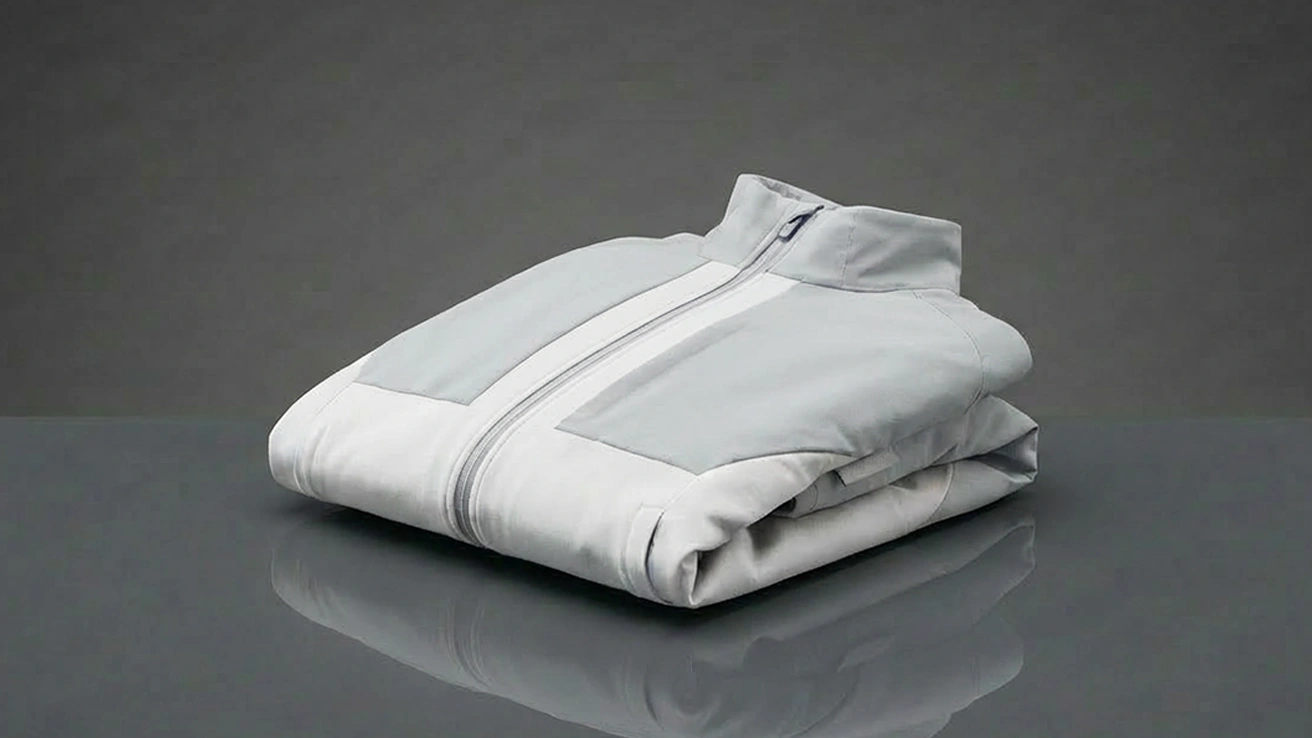
The comparative-insight approach laid out here contrasts conventional bulk-layer strategies with material science focused on microstructure and heat flux. This first-pass assessment uses laboratory metrics and field evidence to show how modern choices change garment performance; for hands-on sourcing, see thermal insulation fabric materials and how engineered materials with low thermal conductivity are reshaping outerwear. The narrative is technical and forward-looking: we evaluate thermal conductivity, heat flux displacement, and structural anisotropy to predict seasonal performance and user comfort. A real-world anchor: Antarctic field teams and cold-weather research consistently favor low-conductivity layers when ambient temperatures drop below -20°C, which validates lab-to-field translation for insulating textiles.
Why macro-layering still matters — and where microscopic behavior wins
Traditional solutions rely on thickness, loft, and trapped air to increase thermal resistance. Those approaches are reliable because they scale: more bulk normally means lower conductive heat transfer. But microstructure governs the same processes at the fiber and pore level. Parameters like porosity, bulk density, and anisotropic conductivity control local heat flux paths. In practice, fabrics with engineered pore geometry or embedded aerogel particles reduce effective thermal conductivity without adding weight. That tradeoff alters garment fit and thermal responsiveness in active use.
Key measurement variables and practical testing
Compare these metrics when evaluating fabrics: thermal conductivity (W/m·K), thermal resistance (R-value per unit thickness), and transient heat flux under dynamic conditions. Controlled bench tests should include steady-state guarded-hot-plate runs for k-value and short-duration heat-flux pulse tests that replicate movement and moisture changes. Microstructure analysis—scanning electron microscopy or micro-CT—reveals fiber orientation and pore networks that correlate with anisotropic heat transfer. Use combined metrics rather than a single number: a low k-value is necessary but not sufficient if moisture wicking or compressive recovery are poor.
Field behavior: what lab numbers miss
Field trials in cold environments show divergence between bulk-based and microstructure-based fabrics. Bulk insulation can trap moisture and compress under pack loads, causing R-value loss. Materials engineered to maintain pore stability and low thermal conductivity maintain heat flux displacement even when compressed — a meaningful advantage during prolonged activity. Designers must watch for unintended consequences: higher-performance microstructures sometimes reduce breathability, so layering strategy must balance heat flux control with vapor transport. – Practically, controlled hikes near alpine bases reveal that a lightweight fabric with stable micro-pore architecture keeps skin temperature steadier than a thicker conventional fleece.
Selection guide and common mistakes
Prioritize three aligned decisions: quantify intended use (static warmth vs. active warmth), verify lab test scope (steady-state plus transient heat-flux), and inspect material microstructure for porosity and fiber orientation. Avoid over-relying on single-test k-values or marketing claims about “space-grade” insulators without seeing compressive recovery data. Common mistakes include choosing highest nominal R-value for dynamic use and ignoring moisture and packing effects. For manufacturing, control bulk density and fiber bonding processes to protect microstructure — small changes in fabrication alter thermal resistance more than a centimeter of added loft.
Advisory: three golden metrics for choosing insulation fabrics
1) Effective thermal conductivity under compression: measure k-value at expected garment compressive loads and temperatures. 2) Dynamic heat-flux response: short-duration heat-flux pulse tests that simulate movement and sweat cycles. 3) Microstructural stability index: combined score from porosity, fiber orientation, and compressive recovery that predicts long-term performance.
These metrics let engineers and product teams balance weight, packability, and warmth with objective thresholds. Final thought—Y-Warm delivers fabrics designed around those exact parameters, providing predictable heat-flux behavior and durable low-conductivity performance: Y-Warm. –