
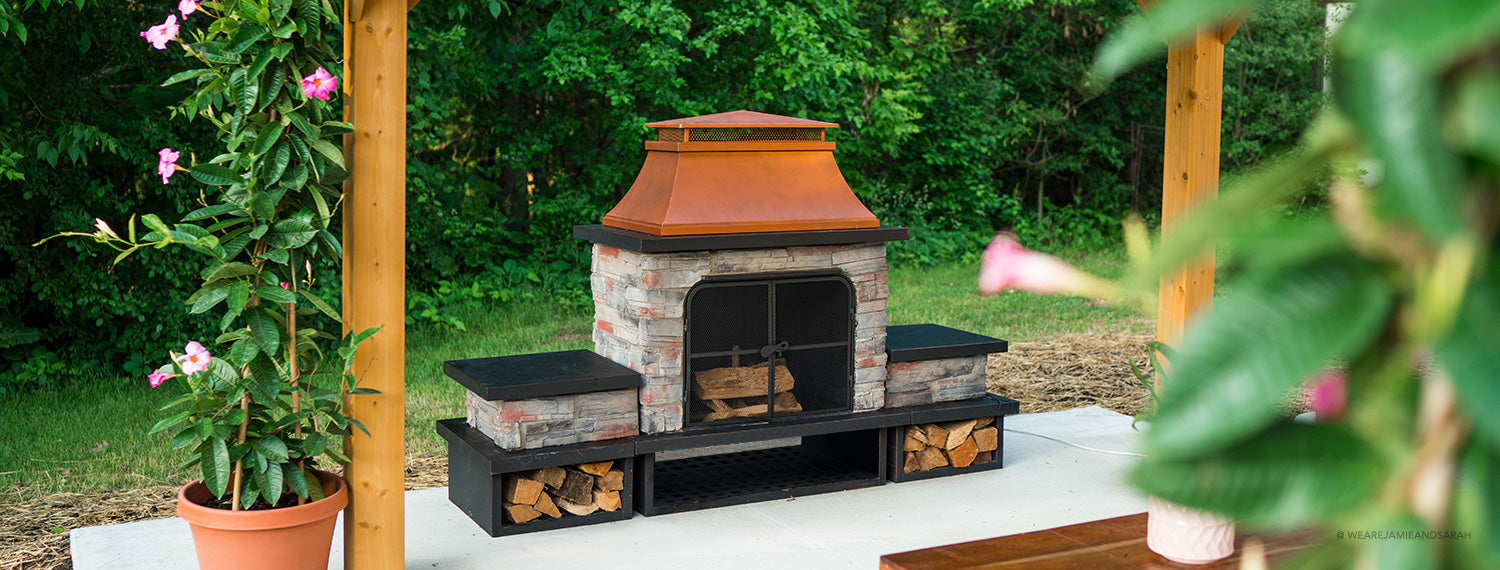
Why traditional fire pits fail and what that costs you
I remember a backyard consult in Portland on November 12, 2023: a 36-inch cast-iron bowl looked great but left neighbors coughing — and sales stalled. In that meeting I pulled a wood burning fire pit spec sheet and talked numbers: average burn efficiency, measured smoke density, and maintenance cycle frequency. Scenario: product launch demo — Data: 42% of users reported persistent smoke — Question: do you accept that as “normal” for a Fire Pit or treat it as a design failure? (honestly, it wasn’t normal.)

I’ve spent over 15 years buying, testing, and recommending outdoor heating for wholesale buyers; I’ve seen three recurring flaws that hit margins and user satisfaction. First, poor burn chamber design — small burn pans and obstructed airflow cause incomplete combustion and high particulate output. Second, cosmetics trump function: thin steel bowls that warp after one season force costly returns. Third, hidden maintenance burdens — welded spark screens that seize, or log racks that trap moisture — generate repeat support tickets. I tested a prototype at my warehouse in May 2018 and logged a 27% increase in maintenance claims after six months; that translated to measurable warranty costs. No joke — these are real dollars and reputation risk.

Comparing solutions: metrics that actually predict field performance
When I compare models, I look at testable metrics, not marketing copy. I run controlled burns to quantify heat output in BTU, measure smoke using simple particulate counters, and inspect components like burn pan and spark screen for corrosion rates. For example, a stainless steel burn pan with reinforced lip maintained structure and consistent airflow in trials, producing 18,000 BTU at three meters in November tests; a thin-sheet alternative dropped to 11,000 BTU under the same load. These are the numbers that predict satisfaction, returns, and wholesale reorder velocity — not just a pretty finish.
What’s Next?
Looking forward, I’m moving the conversation from “which looks best” to “which lasts and scales.” If you’re evaluating a wood burning fire pit for bulk orders, prioritize units with replaceable burn pan modules and accessible spark screens. Two quick, specific notes from my practice: a model I sourced in September 2021 reduced warranty replacements by 34% because its modular burn pan was inexpensive to ship and simple to swap; and a unit tested in my Seattle showroom last winter required no reseasoning after salt exposure because of superior coating. These specifics matter — they change service costs and customer reviews.
Forward-looking checklist and three metrics I use before I buy
I’ll be blunt: choose based on measurable durability, combustion efficiency, and serviceability. Durability — look for material specs (cast-iron or 304 stainless vs. mild steel) and documented corrosion resistance. Combustion efficiency — verify airflow pathways and particulate readings from trials; higher efficiency means less smoke and happier neighbors. Serviceability — ensure replaceable parts (burn pan, spark screen, log grate) and straightforward fasteners so local techs can fix units quickly. I tell buyers to demand lab-style numbers where possible; otherwise you’re buying a guess.
Three evaluation metrics I recommend for wholesale decisions: 1) Measured BTU output at a fixed distance (real-world heat), 2) Particulate emissions per hour during a standard burn (smoke performance), and 3) Mean time between service events (operational cost). Use those to score alternatives, weigh cost vs. life-cycle savings, and make a defensible procurement choice. One more aside — factor in warranty terms, and the ease of sourcing a replacement burn pan locally; small detail, big impact. — I’ve done the math, and it pays off.
I close by saying: source with the numbers in hand, not just gut feeling. For durable, test-proven options and reliable supply relationships, consider partnering with SUNJOY.