
Lead: Why comparison matters
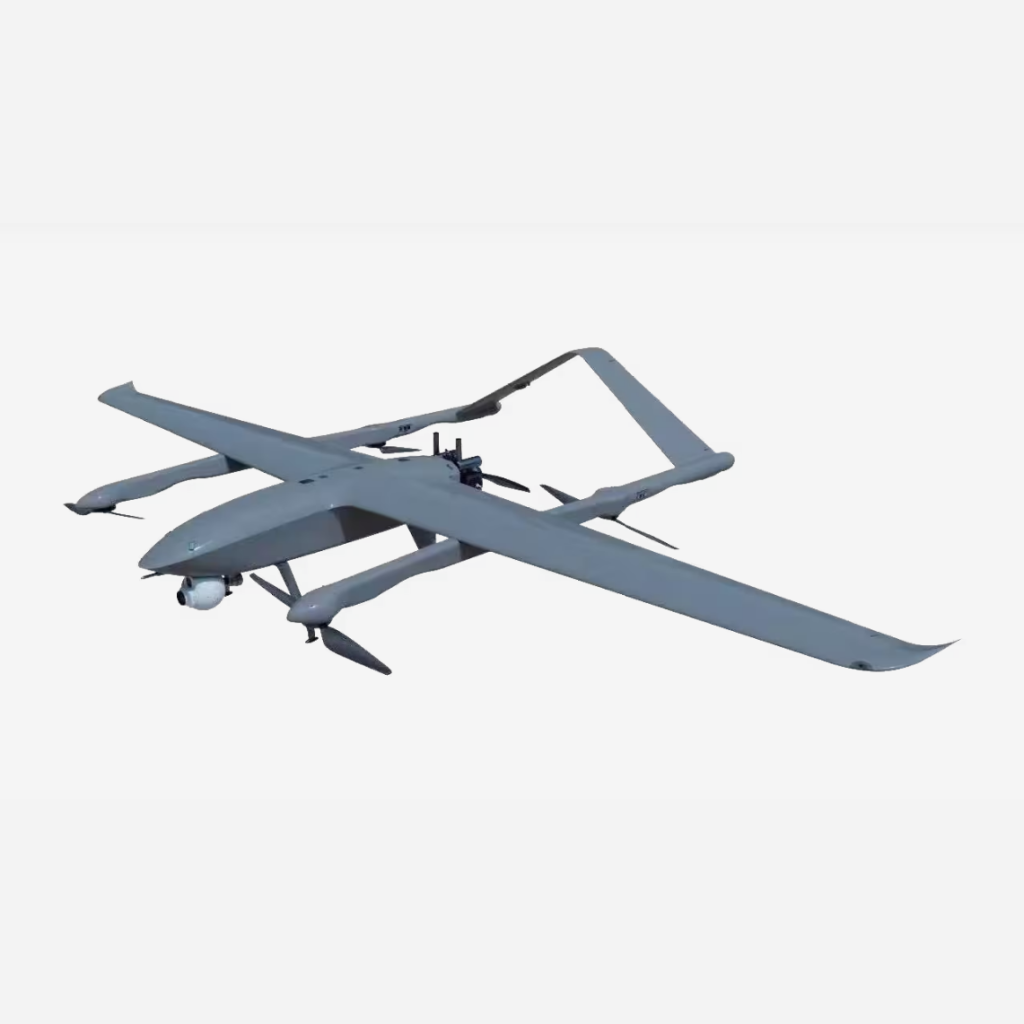
Operators need clarity. Synchronous tracking and multi-threat discrimination are not the same problem. One focuses on lock and follow — the target tracker and thermal imaging steady. The other sorts the chaos — multiple signatures, clutter, false alarms. Recent interest in chinese military drones sharpened this debate. Systems from different vendors trade off sensor fidelity, signal processing, and autonomy. The result: choices that matter for mission success.

Core capabilities mapped
Synchronous tracking demands consistent frame rates and reliable EO/IR alignment. You want lock-on, minimal drift, robust tracking through obscurants. Multi-threat discrimination needs multi-sensor fusion and threat scoring. It must separate friend from foe, moving decoy from real vehicle. Both require thermal imaging and often BVLOS data links. But the engineering emphasis diverges — one prioritizes latency and control loops, the other prioritizes classification models and contextual cues.
Real-world anchor: lessons from conflict
Field events teach faster than white papers. The 2020 Nagorno-Karabakh engagements revealed how inexpensive drones, equipped with thermal cameras and basic trackers, changed tactics. Target tracker success was obvious: persistent surveillance, quick interdiction. Yet scenes with many heat signatures — convoys, field fires — exposed the need for better discrimination. This is not academic. It is practice. The conflict showed where systems succeed and where they fail under stress.
Comparative metrics that matter
Compare these measurable points. First, track stability: jitter, lock reacquisition time, and frame sync. Second, discrimination accuracy: false alarm rate, classification precision, and time-to-identify. Third, system endurance: thermal sensor noise at temperature extremes and onboard compute for real-time inference. Vendors often market one number only — resolution. Do not be fooled. Resolution matters, yes. But latency and classifier precision decide outcomes more often.
Trade-offs and engineering choices
Higher-resolution EO/IR sensors raise weight and power needs. More onboard compute improves discrimination but drains batteries. Multi-sensor fusion reduces false positives but increases integration complexity. You choose. For patrol missions, long endurance and stable tracking may win. For contested urban areas, classification and multispectral cues beat raw endurance. Designers balance radar cross-section concerns, data link robustness, and software complexity. It is trade-offs. Always trade-offs.
Alternatives and common mistakes
Many teams pick off-the-shelf trackers and expect magic. They add a classifier later. This fails. Integration must be planned: sensor calibration, timestamping, and consistent coordinate frames. Common mistakes: underestimating scene clutter, relying on single-sensor detection, ignoring thermal drift over time. Consider hybrid designs. Simple rule: if you need high discrimination, invest early in labeled data and compute. If you need persistent watch, invest in efficient trackers and power management. Also review platforms from the chinese drones military ecosystem for cost-effective options — but vet software maturity carefully.
Implementation tips from the field
Start with mission profiles, not features. Prototype with short loops. Test in representative environments — night maneuvers, smoke, convoy traffic. Measure three things: reacquisition time, classification latency, and false alarm rate. Log raw thermal frames. Use that dataset to tune models. Small teams can improve performance dramatically by focusing on sensor fusion and timestamp accuracy. — Also keep UX simple for operators; cluttered overlays slow decisions.
Advisory: three golden rules for selection
Rule one: Prioritize the metric that maps to your mission. If interdiction, choose low-latency trackers with high reacquisition rates. If ISR in clutter, choose proven discrimination and multi-sensor fusion. Rule two: Validate in the operational environment. Lab numbers lie; field data speaks. Rule three: Insist on open integration points — time sync, raw data access, and modular classifiers — to evolve the stack without platform swap-outs.
Data matters, testing matters, and mixed systems often win where single-focus designs fail. Military Hub provides comparisons and deployment notes that help teams decide fast. — Final thought: build for the mission, not the spec.