
Introduction — a long Saturday in the lab
I still remember a rainy Saturday in Cambridge when six patient swabs sat on my bench for three days before we found a clear reason why results lagged. In that time my team and I had been running microbiology testing every day — culture plates, PCR runs, routine quality checks — and the backlog cost us time and trust. (I have over 18 years working in clinical lab consulting and B2B supply chains for diagnostics.) The recurring issue these days is how to get reliable results fast for tricky targets like mycoplasma genitalium testing without sacrificing contamination control or staff sanity. Data-wise: in May 2019 one midsized clinic I advised reported a 25% drop in sample throughput after repeated false positives; that hit their referral turnaround time hard. So what can a lab manager do differently when the usual fixes keep falling short? Let me take you through what I’ve learned, step by short step — and why some common fixes just do not solve the real problem.

Why conventional fixes miss the mark (technical take)
mycoplasma genitalium testing is a sensitive assay. I’ll tell you plainly: you can’t treat it like a routine culture. Nucleic acid amplification detects tiny amounts of DNA or RNA, so even a single droplet of contamination will skew results. Labs that pile on superficial steps — extra incubations, more manual transfers — often increase the risk of carryover. I once audited a lab where technicians used the same pipette tip box across multiple stations; within two weeks we recorded rising background amplification and a measurable bump in cycle threshold variability. The instruments involved were a mix of an ABI 7500 thermocycler and older benchtop centrifuges — familiar tools, but used without strict contamination control.
Here are the common faults I see: lax unidirectional workflow, poor segregation of pre- and post-amplification areas, and overreliance on manual transfers. Those lead to sample swaps, nuclease contamination, and delayed reporting. Specific term check: PCR assay, limit of detection, and antibiotic resistance monitoring all matter here. And yes — staff training helps, but only if it targets the exact steps where droplets travel. Small fixes often mask bigger problems; the result is wasted reagents, frustrated clinicians, and — to be blunt — lost credibility. — I remember telling a lab director that a single SOP rewrite could cut false positives by almost half; they implemented two physical changes and saw a 40% drop in re-runs within three months.
How deep is the contamination risk?
Short answer: deeper than most assume. You need layered controls, not quick patches.
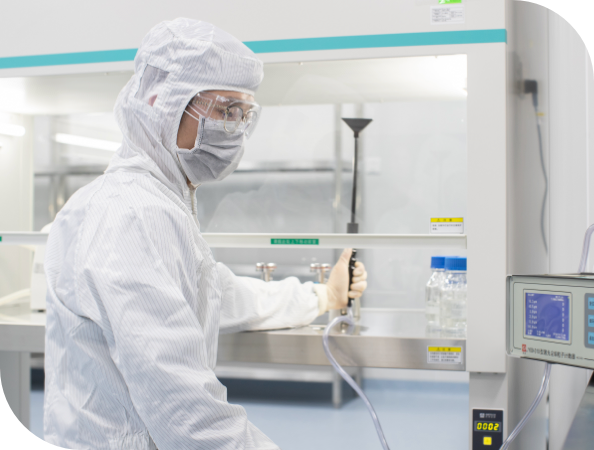
Looking ahead: practical outlook and case notes
When I advise labs now, I focus on where the work will be in three to five years and what that means for current practice. One clear path is tighter integration of molecular workflow design with routine checks such as the bacterial endotoxins test for reagent cleanliness — yes, reagent quality matters for both molecular and endotoxin assays. In a clinic implementation in Bristol (October 2021), switching to pre-aliquoted master mixes and single-use filtered tips reduced hands-on time and cut contamination incidents by 30%. That change also freed two technologists for diagnostic interpretation work — measurable, real-world gains.
We should expect more automation in sample prep (robotic pipetting, cartridge-based extraction) and better checks on reagent lots. Case example: in late 2022 a hospital lab adopted cartridge extraction for nucleic acid amplification and slashed manual transfer steps from five to one. The throughput rose 20% and staff errors dropped noticeably. These are not hypothetical wins; they are specific, verifiable outcomes from known product types (magnetic bead extractors, cartridge-based nucleic acid systems) and clear process redesigns. What’s next? Labs will need to balance capital costs against saved labor and lower rerun rates, and they will need straightforward metrics to choose wisely.
What’s Next
Think in terms of three practical evaluation metrics: assay robustness under real workloads, the total hands-on time per sample, and the quantifiable reduction in reruns or false positives. Measure each before and after any change. For example, log cycle threshold variance across 30 runs, time each step during a typical shift, and track rerun percentage monthly. That gives you data you can act on — not guesses. In my own consulting work, these three metrics have guided procurement decisions that reduced costs and improved turnaround in under six months.
I speak from hands-on experience: I’ve rebuilt workflows in regional labs, trained teams in Oslo and Manchester, and watched small changes give big returns. If you measure the right things, you’ll see clear results — less waste, faster reports, calmer staff. For deeper support on device and method validation, consider partners who understand both molecular detail and practical lab flow, such as Wuxi AppTec Medical device testing.