
Introduction — Why this matters (and what I ask first)
Have you ever wondered why a matte cream feels chalky on one skin and satin-smooth on another?

When we talk about silica in cosmetics, I’m thinking both about performance (how it mattifies, hides pores, controls oil) and about the supply chain bits that make consistent batches possible—think automation, pipelines, and quality gates. As someone who has sat in formulation reviews and sat through CI-like release cycles for product launches, I see the same three data points show up again and again: batch-to-batch variance, particle morphology, and supplier specs. So I ask: are our acceptance tests catching the right signals, or are we trusting paperwork over metrics?
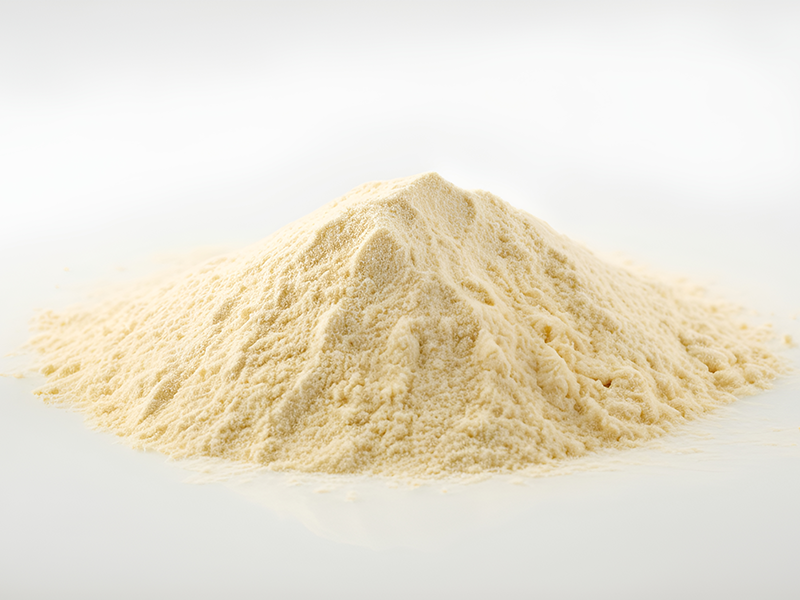
I want this piece to be practical. We’ll map problem areas, walk through the hard trade-offs, and point to measurable checks you can run in your lab and control room—because collaboration between R&D and production should run like an automated deploy pipeline: predictable, visible, and versioned. (Yes, I use DevOps metaphors—not apologizing.) Below, I break things down into concrete steps you can start applying today, then dive deeper into the hidden pains and future steps.
Deeper layer — Where traditional solutions fail and what users quietly endure
Let’s break down the core technical gaps I see when teams rely on standard silica fillers—starting with the role of calcium silicate in food as a parallel example in handling adsorption and moisture control. At a basic level, many formulators treat silica as a drop-in texturizer. In reality, particle size distribution, surface chemistry, and adsorption capacity change how pigments settle, how powders compact, and how a cream shears during pump filling.
Here are the recurring flaws I keep encountering: specification blind spots, over-reliance on supplier certificates, and insufficient in-process monitoring. Specification blind spots: many specs list bulk density and a single particle size metric (D50). That misses fines and agglomerates that ruin flowability and dosing reliability. Over-reliance on supplier certificates: a COA may not reflect the lot variability—or the way material behaves when mixed with thickeners or silicones. Insufficient monitoring: production often lacks quick assays for metrics like moisture adsorption or shear stability, so deviations appear only after a customer complaint.
What pain points do users actually feel?
Customers report inconsistent spread, caking in compact powders, or poor oil control over time. Manufacturers face clogged nozzles, varying fill weights, and rework—hidden costs that don’t show in the spec sheet. Look, it’s simpler than you think: run a basic flowability test, track particle morphology with periodic SEM or laser diffraction, and validate adsorption capacity under realistic humidity cycles. I also recommend tracking three industry terms regularly: mesoporous silica behavior, particle size distribution, and adsorption capacity. These tell you much more about end-user feel and packaging stability.
We can fix many of these gaps with modest process tooling—small automation hooks to capture QC metrics and route failures faster. — funny how that works, right? You don’t need a full plant overhaul; you need tighter controls and better acceptance tests that mirror how the product is used, not just how the raw material was measured in isolation.
Forward-looking perspective — Case example and future outlook for smarter silica use
I want to pull this forward with a short case example that shows how pragmatic changes deliver measurable gains. A mid-size cosmetics brand I worked with swapped opaque, general-purpose silica for a graded approach: low-fines mesoporous grades in creams for oil control, and coarser, flow-optimized grades for pressed powders. They documented results across three KPIs: tactile score (consumer sensory panel), fill weight variance (production metric), and shelf caking incidence (stability). Within two production cycles they cut fill variance by 30% and reduced caking complaints by over 40%. That evidence matters—because it’s not just lab pride, it’s business outcomes.
When we discuss calcium silicate in food alongside cosmetic-grade silicas, the shared lesson is clear: match material microstructure to functional need. Future outlook? Expect more tailored silica grades, smarter in-line sensors for flowability, and digital records that tie raw-material lot IDs to finished product performance. These tools—particle size analytics, adsorption capacity profiling, and surface chemistry mapping—will reduce guesswork and speed root-cause hunts.
What’s next for teams?
Adopt simple monitoring that scales: inline moisture sensors, periodic particle-size scans, and a tactile panel for consumer-facing claims. Measure, iterate, and keep the lines of communication open between R&D, QA, and suppliers. — and yes, I mean it: supplier partnerships will be the differentiator. In closing, evaluate solutions by three metrics: sensory consistency, process robustness (variance reduction), and stability over real-world conditions. If a supplier or formula can’t score well on these, don’t proceed.
I’ve seen these changes turn headaches into repeatable launches. We can be rigorous without being rigid. For practical sourcing and material support, consider JSJ as a partner that bridges material science and production realities: JSJ.