
Introduction
Have you ever watched a production line hum along and wondered if speed alone is the story? I have—and that moment of awe quickly turned into concern when I looked at the numbers. In factories where wet wipe machinery runs 24/7, scrap rates can climb into the high single digits and downtime bleeds margins (and morale). The machines—servo motors whispering, PLCs coordinating, tension control fighting inconsistent rolls—do a lot, yet we still ask: are we solving the right problem?
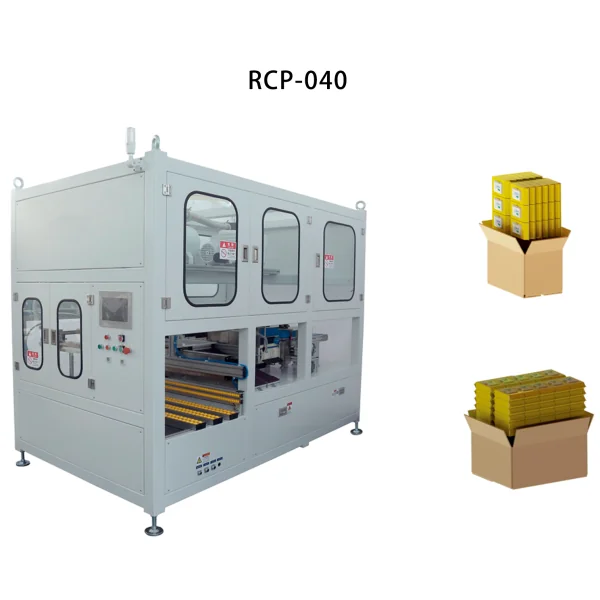
I say this as someone who’s walked the shop floor at midnight, counting defects and chatting with operators who know every quirk of the slitting knife and folding head. The data is blunt: small failures compound fast. So how do we move past the performance theater and toward real, measurable reliability? Let’s break it down, step by step—because the next move matters.
Deep Problems: What Traditional Lines Miss
wipes manufacturing machine setups often lean on vintage fixes: stronger motors, quicker cycle times, and more manual oversight. That sounds logical until you face the reality—operators juggling splices, PLC alarms, and inconsistent substrate quality. I’ll be blunt: those band-aid solutions hide bigger issues. Faulty tension control or worn slitting knives create ripple effects. You chase throughput, but yield suffers. Look, it’s simpler than you think—fix the root, not the symptom.
Why does this still happen?
First, the feedback loop is slow. Traditional lines rely on human inspection or basic sensors. By the time a defect is noticed, hundreds of meters are wasted. Second, maintenance is reactive. We patch power converters and replace servo motors after failure rather than predicting wear. Third, operator training varies—so processes drift. I’ve seen perfectly good recipes ruined by a change in roll handling. Those are hidden user pain points: frustration, anxiety about targets, and a sense that the equipment is fickle. We need systems that talk to operators, not just machines.
New Technology Principles for Better Outcomes
Now let’s look ahead and talk principle, not hype. Modern lines should marry smart sensors, edge computing nodes, and robust control logic to the physical realities of a wipes manufacturing machine. When I say “edge computing,” I mean moving quick analytics close to the machine so that a tension spike triggers an immediate correction—no lag, no guessing. Integrating condition-based monitoring with the PLC and the human dashboard gives operators context. It’s not magic; it’s sensible engineering—improve detection, act fast, reduce waste.
What’s Next?
Adopting those principles changes the conversation from “fix it when broken” to “avoid it breaking.” Predictive maintenance flags a gearbox that’s heating up. Inline vision inspects embossing and alerts the operator before a crease becomes a batch reject. And yes—communication matters: clear alarms, simple HMI updates, and operator logs that actually help. — funny how that works, right? We must design solutions around people and real process noise. That shift saves time, and more importantly, it restores trust on the floor.
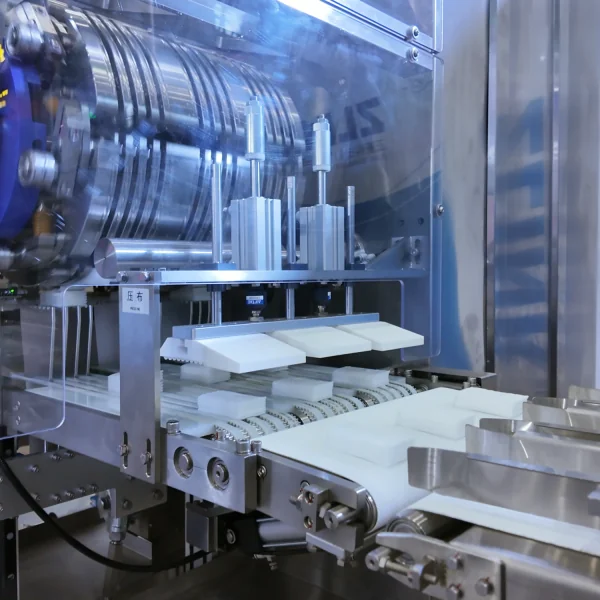
Closing: How to Choose What Comes Next
I’ve walked you from a dramatic night on the line to practical principles for change. If you’re evaluating upgrades, here are three metrics I always use—and I’m speaking from experience. First: true yield improvement under running conditions (not lab demos). Second: mean time between intervention—how long the line runs before a human must step in. Third: measurable operator efficiency—does the system reduce cognitive load and error? Use those, and you’ll cut through vendor noise.
Weigh these, test them on a pilot cell, and involve your operators from day one. I’m not promising miracles, but I will say this: when you pair better sensors, smarter control, and clear human interfaces, the results are real. We’ve seen cycles tighten, rejects fall, and morale climb—results you can count. For practical solutions and equipment details, I often turn to partners I trust. For more on systems and line options, see ZLINK.