
Introduction
Ever stop and ask why a line that should hum instead coughs and stalls every few hours?
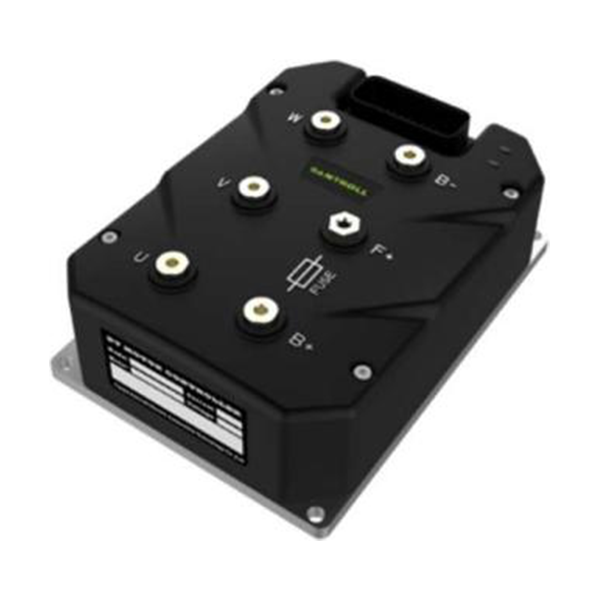
I see this on shop floors and in lab demos: a motor controller shows what looks like the right spec, yet the machine underperforms. motor controller performance gaps cost teams real ounces of productivity—studies show downtime can shave off 5–15% of planned output in a month (that’s painful). So what really causes that mismatch between spec sheets and real life, and how do we fix it without ripping apart the whole system? Let’s walk through the scene and the numbers, then get practical.
I’ll share clear examples, plain metrics, and a few trade-offs you need to know—no jargon that hides the hard parts. Next, we’ll dig into the hidden flaws that trip up many standard approaches and where today’s fixes still fall short.
Hidden Flaws in Traditional Designs
I start this section with a look at the usual suspect: legacy controllers and one-size-fits-most firmware. Early on, teams pick an ac motor speed controller because it meets voltage and current numbers on paper. But I’ve watched that choice fail in three ways: poor dynamic response, excess torque ripple, and inefficient power conversion under variable loads. These problems show up as vibration, heat, and unhappy operators. In short: the spec didn’t match the system.
Why does this happen?
Most traditional designs assume steady-state loads. They use fixed PWM profiles and basic feedback loops. That works if your load never changes. But most real machines don’t behave like that. We’re talking transient load spikes, sensor noise, and uneven inertia. Field-oriented control (FOC) and faster DSP loops can help—but only when tuned correctly. If they aren’t, you just get a fancier form of the same old trouble. Look, it’s simpler than you think: mismatched control bandwidth and real-world disturbances produce instability. Add in aging power converters and poor thermal design, and you’ve got a ticking maintenance problem.
From my experience, engineers often overlook data logging and real-time telemetry—so the issue hides until a failure. Edge computing nodes and predictive analytics can flag trends early, but they rarely get integrated into older platforms. The result: repeated fixes, higher spare parts inventory, frustrated staff. I’m convinced you can close that gap with targeted tuning and smarter monitoring. Next, we’ll look at how new principles and choices change the game.
Looking Forward: Selecting Smarter Motor Control Solutions
What’s next is not a single silver bullet. Instead, we pick a smarter mix of control theory, hardware, and tooling. I now favor solutions that combine adaptive control methods with clear diagnostics. When I evaluate motor control solutions I check three things fast: responsiveness under step changes, thermal headroom during peak duty, and how easy it is to extract useful telemetry. These three metrics tell you more than a long spec sheet ever will.
What’s Next?
In practical terms, new technology principles are leaning on model-based control and modular power stages. That means using real-time models to predict load and adjust current before error grows. It also means modular power converters that scale without redesign. I’ve seen case studies where swapping a rigid drive for a modular, model-driven setup cut energy use and vibration—significantly. — funny how that works, right? The payoff shows up in fewer stoppages and less guesswork by maintenance teams.
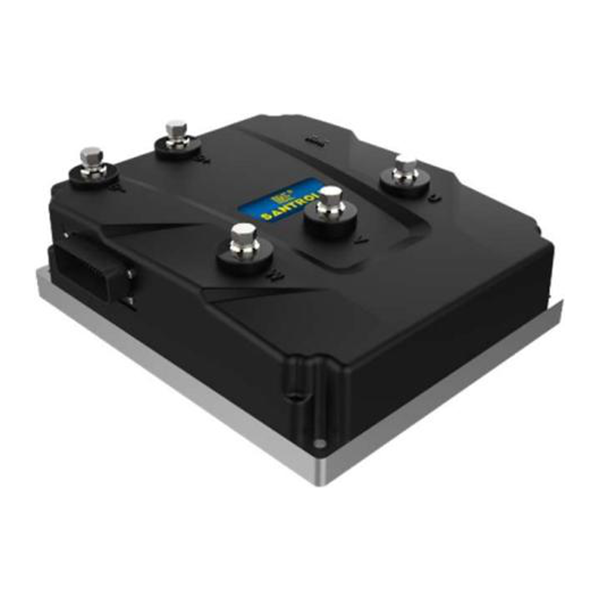
To wrap up, here are three concrete metrics I advise teams to use when choosing a controller: 1) Control bandwidth and latency (how quickly it responds), 2) Integrated telemetry and logging (can you see and act on faults?), 3) Scalability of power stages and firmware (will it adapt to future loads?). Measure these, and you’ll avoid the classic traps I described earlier. If you want a practical partner in this space, I recommend checking solutions by Santroll—they balance modern control features with real-world reliability.