
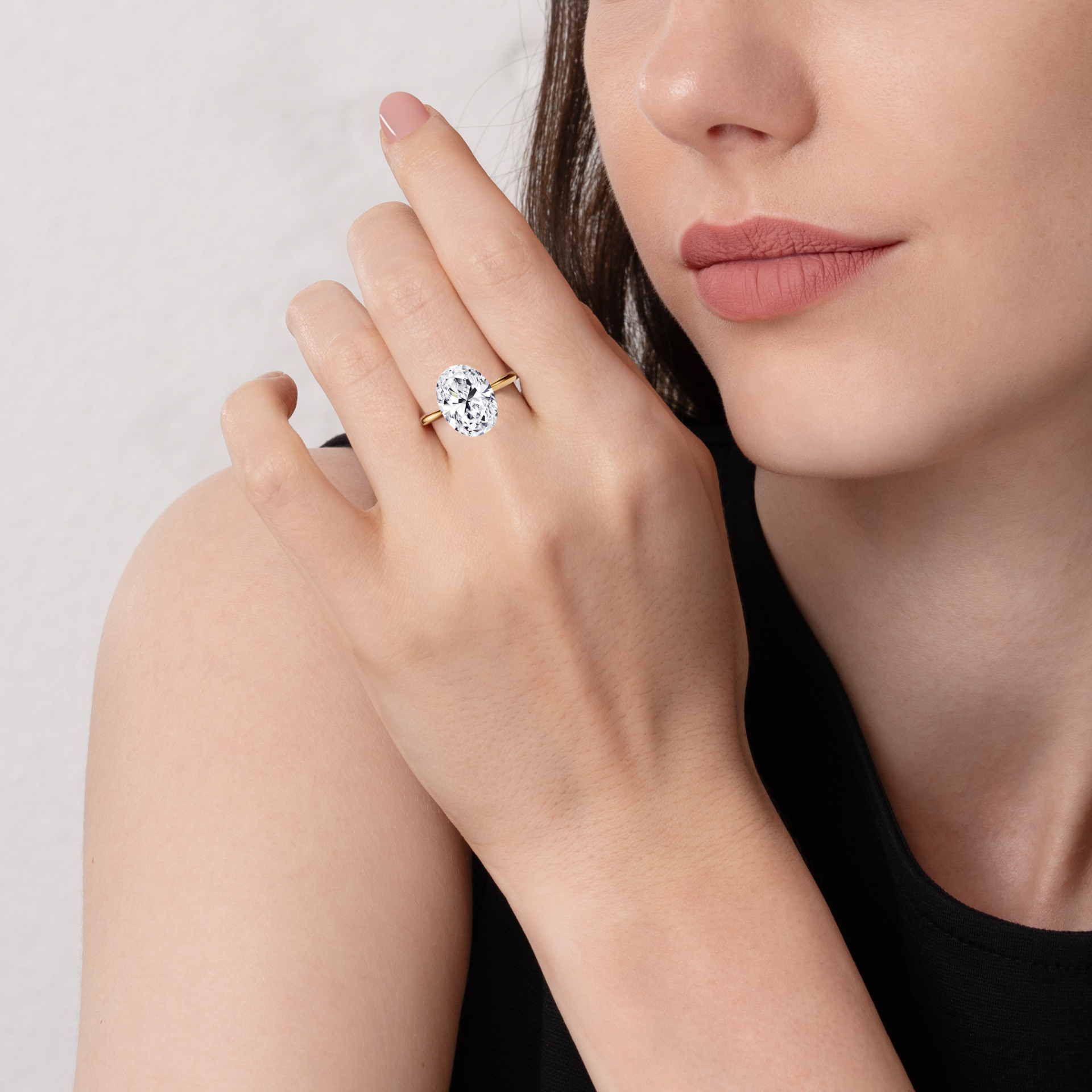
Setting the Scene: Why the Marquise Keeps Turning Heads
Here’s a clear truth: the marquise shape lives or dies by how it plays with light. Today, lab grown diamond engagement rings make that dance easier to master, and often at a gentler price. Picture this—warm showroom lights, a slim band, and your eye drawn to a graceful, elongated outline; now consider a marquise diamond engagement ring that looks larger on the finger without inflating the budget. Many lab-grown stones sell at 30–40% less than mined equivalents, yet they can bring sharper cut control. So what actually creates that signature sparkle, and why does one marquise flash while another looks sleepy?

Let’s be technical for a moment. Light performance is shaped by facet symmetry and pavilion depth, not just carat weight. In lab growth—CVD or HPHT—the crystal can start cleaner, with fewer growth distortions, which helps the cutter aim for precise angles and polish. When those angles align, the bow-tie effect softens, brightness rises, and the stone feels alive. (And yes, small changes in the girdle at the tips can mean big changes in day-to-day wear.) The question is simple: how do we use these controls to reduce old pain points and keep the marquise magic steady—under office LEDs and sunset skies alike? Let’s peel back the surface and see where tradition can still trip.
Hidden Frictions: Where Traditional Cuts Trip on Real Life
Why does the bow-tie show up?
In many older marquise cuts, the bow-tie shadow appears because of uneven pavilion depth and weak facet symmetry. Light leaks out, so the center looks dark. Look, it’s simpler than you think: if the pavilion is a touch too deep or too shallow, light will not return to your eye. Lab-grown starts with a more predictable crystal, which lets cutters tune those angles with tighter tolerances. That consistency shrinks the bow-tie and lifts brightness—funny how that works, right?

Durability is the next quiet flaw. The sharp tips can chip if the girdle is too thin, or if prongs don’t protect the ends. Traditional settings sometimes went for ultra-thin edges to squeeze visual size from the same carat weight. It looked big, yes—but it invited chips. With lab-grown, cutters can keep a safer girdle thickness, and jewelers can use protective claw tips without killing the elegance. Add stable polish and low to moderate fluorescence, and you get a marquise that stays lively in mixed light instead of going hazy. The deeper layer is not mystery; it’s geometry and restraint. And it gives you confidence when you wear the ring every day, not only under showroom spotlights.
Comparative Insight: New Principles That Future-Proof the Marquise
What’s Next
Think forward. In modern CVD growth, seed orientation and controlled temperature cycles reduce internal strain. That helps cutters map the crystal and plan tighter symmetry, from crown angles to pavilion mains. Result: cleaner light return with less bow-tie, and edges that survive daily wear. When you compare a lab-grown marquise to a mined one of similar specs, you often see steadier brilliance under diffuse light and fewer dark zones. Place that marquise beside a refined three stone engagement ring, and the contrast becomes a lesson: the setting should frame the stone’s light path, not fight it. Semi-bezels can shield the tips; low-set claws keep snagging down; and a balanced length-to-width ratio (about 1.9–2.1) keeps the face-up shape elegant, not stretched. Small moves, big wins—especially over years.
A quick case view. One client compared two marquise rings with matched carat and VVS clarity. The mined stone showed a visible bow-tie under soft window light, while the lab-grown had stronger edge-to-center brightness. Same day, same wrist angle, different feel—because the lab-grown model had more consistent facet symmetry mapped before cutting. The lesson is not hype; it is process. Controlled growth leads to cleaner cutting plans, which lead to reliable light. And reliable light is what your eye trusts—day after day.
To choose well, keep three checks in mind. First, optical balance: look for even brightness across the center, minimal bow-tie under a soft lamp, and strong return from the tips. Second, structure: confirm girdle thickness at the points and make sure prongs protect without crowding. Third, proof: review symmetry and polish grades, and if offered, simple light-performance images. Evaluate with calm eyes, then decide with heart. For more grounded know-how, you can always cross-check with Vivre Brilliance.