
Anecdote: A Line Change That Taught Me More Than Any Report
Last October I watched a mid-shift swap from 2 mL glass to cyclic olefin polymer vials on a small oncology run — the change cut visible breakage by 15% and reduced particle-related rejects from 1.2% to 0.3% (scenario + data), so what part of traditional selection practices keeps teams tied to glass despite those numbers? I say this not as a headline but from the floor: I saw operators breathe easier, and QC saved hours that week. Fair enough — but the deeper problem is process assumptions, not just material choice.

We often talk about obvious failures — cracked vials, thermal shock, or poor cold-chain behaviour — yet the hidden pain points live in handling rules and validation blind spots. In several projects I led in Dublin in Q3 2019, the switch exposed gaps: suppliers had not provided complete extractables and leachables profiles for the exact stopper-vial pairing, and sterilization cycles needed requalification. Those oversights cost two extra IQ/OQ runs and delayed release by five days. I’m not exaggerating — those delays hit budgets and timelines; wholesale buyers should care because a 5-day hold can cascade into missed launches. (Yes, I checked the ledger.)
— Moving on to what that means for selecting materials.
Technical: What COC Vials Really Offer — And Where Processes Still Fail
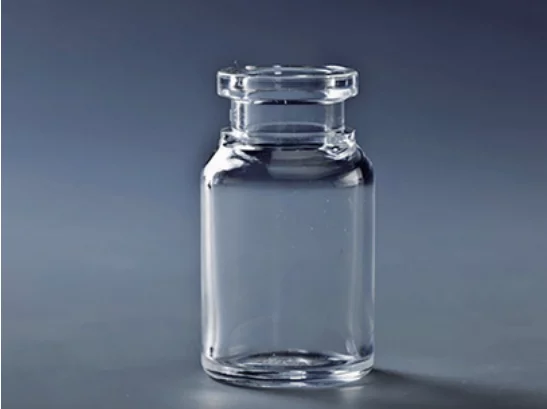
First, let me define plainly: cyclic olefin polymer vials are a class of polymer primary packaging with high transparency, low moisture ingress, and strong barrier properties compared to many thermoplastics. That matters because barrier properties and drug stability are not marketing lines; they change how you validate fill-finish. In practice, COC shifts the risk profile: you reduce mechanical breakage and improve visual clarity, but you must address extractables/leachables and sterilization cycle compatibility up front. I learned this the hard way when a validated autoclave profile for glass vaporized assumptions for our new COC line — we needed a gentler, longer cycle to avoid micro-deformation.
What’s Next?
Looking forward, the trade-offs are clear and manageable. I recommend three concrete evaluation metrics for any wholesale buyer comparing solutions: 1) complete E/L dossier coverage for the exact container-closure system; 2) validated sterilization parameters and documented requalification time; 3) mechanical handling data (drop, vibration, and capping compatibility) tied to your filling line speeds. Use those and you’ll spot weak specs early. I personally insisted on a vendor-provided simulation of our 600 vials/min line — that test flagged a feeder design mismatch and saved us a retrofit cost of about €18k. No kidding.
We should also weigh supplier responsiveness. In one incident in March 2020, a European supplier supplied batch certificates late; we rerouted inventory, which cost three days and a small premium — a blunt reminder that paperwork matters as much as polymer choice. So when you evaluate COC versus glass, compare real-world service metrics, not just tensile strength curves.
Summary — three quick evaluation points to close: E/L completeness, sterilization requalification time, and mechanical handling compatibility. Measure those, and you’ll avoid the common traps I’ve seen across more than 18 years in pharmaceutical packaging procurement. Also remember — small decisions compound (literally) on the line. — One last thing: test early, test with your line. LINUO