
The problem: fleets fall apart where it hurts
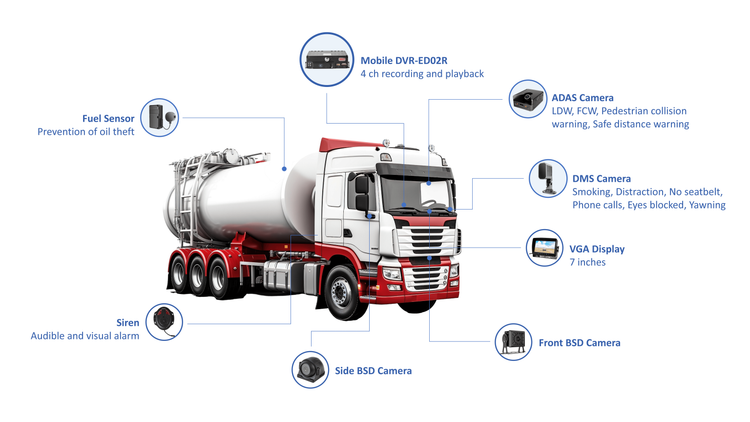
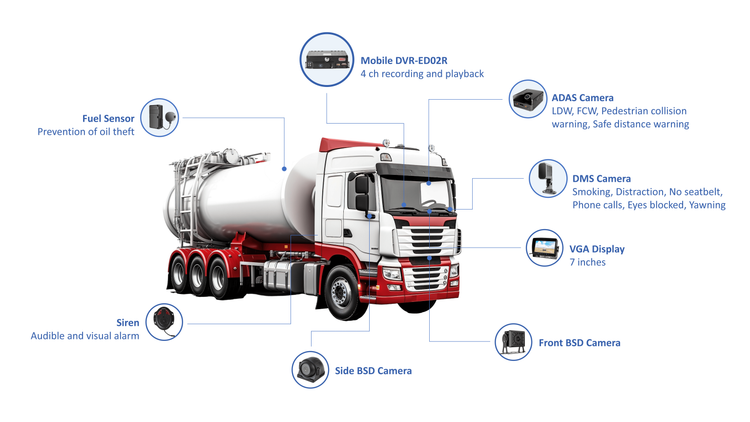
You run an oil and gas vehicle operation and the vehicles are conspiring against you — failing on pads, idling in deserts, costing days of crew time and a metric ton of good will. The real issue isn’t drama; it’s predictable neglect: no timely data, no consistent oversight, and no plan when a truck chooses to cough up a belt on a Tuesday. Rolling out proper tools from fleet telematics technology providers fixes a lot of this before the site supervisor grows a permanent twitch. For on-site visibility you want devices from a practical mdvr manufacturer, ideally sourced from manufacturing hubs like Shenzhen where rugged hardware gets built alongside thousands of other sensible ideas.
Why problems multiply (and feel personal)
Oilfield operations are layered trouble: remote locations amplify small failures into big delays; mixed fleets mean inconsistent maintenance histories; drivers rotate and knowledge evaporates; compliance audits surface surprises. Each missing data point compounds decisions based on guesswork. If you treat vehicle health like an occasional thought, you’ll get emergency repairs as a business model.
What actually works — blunt, field-tested steps
Start with telemetry that records location, hours, fault codes, and driver behavior. Add MDVR cameras and event logging for context when things go sideways. Combine those feeds into a single dashboard and do two things: schedule maintenance by engine hours rather than calendar dates, and quantify driver risk instead of relying on anecdotes. This reduces downtime, reduces fuel waste, and makes audits less theatrical.
Common pitfalls people swear they won’t repeat
People repeatedly fall into the same traps: trusting a single sensor, skimping on rugged hardware for off-road conditions, dumping data into spreadsheets nobody reads, and assuming drivers will ‘be more careful’ without feedback loops. Ignore firmware updates and you’ll inherit the kind of outages that look charming on paper and ruinful in real life.
Quick implementation roadmap you can follow without a consultant entourage
1) Inventory: list vehicles, engine hours, on-board systems. 2) Prioritize: target the top 20% of assets that cause 80% of delays. 3) Instrument: install telematics and MDVR hardware on prioritized units. 4) Automate alerts: engine faults, geofence breaches, critical maintenance triggers. 5) Train: brief crews on what alerts mean and one simple action for each. Each step produces measurable changes; none rely on optimism.
Trade-offs and alternatives — because nothing is perfect
Cloud dashboards give central clarity but rely on connectivity; local edge processing works offline but adds hardware complexity. Basic GPS saves time, but video-backed MDVRs explain incidents; paid analytics reduce manual review but add cost. Choose based on the real bottleneck — is it unknown vehicle status, or slow fault diagnosis? Pick the minimal tech that fixes that exact hole.
Operational checklist for inspectors and fleet leads
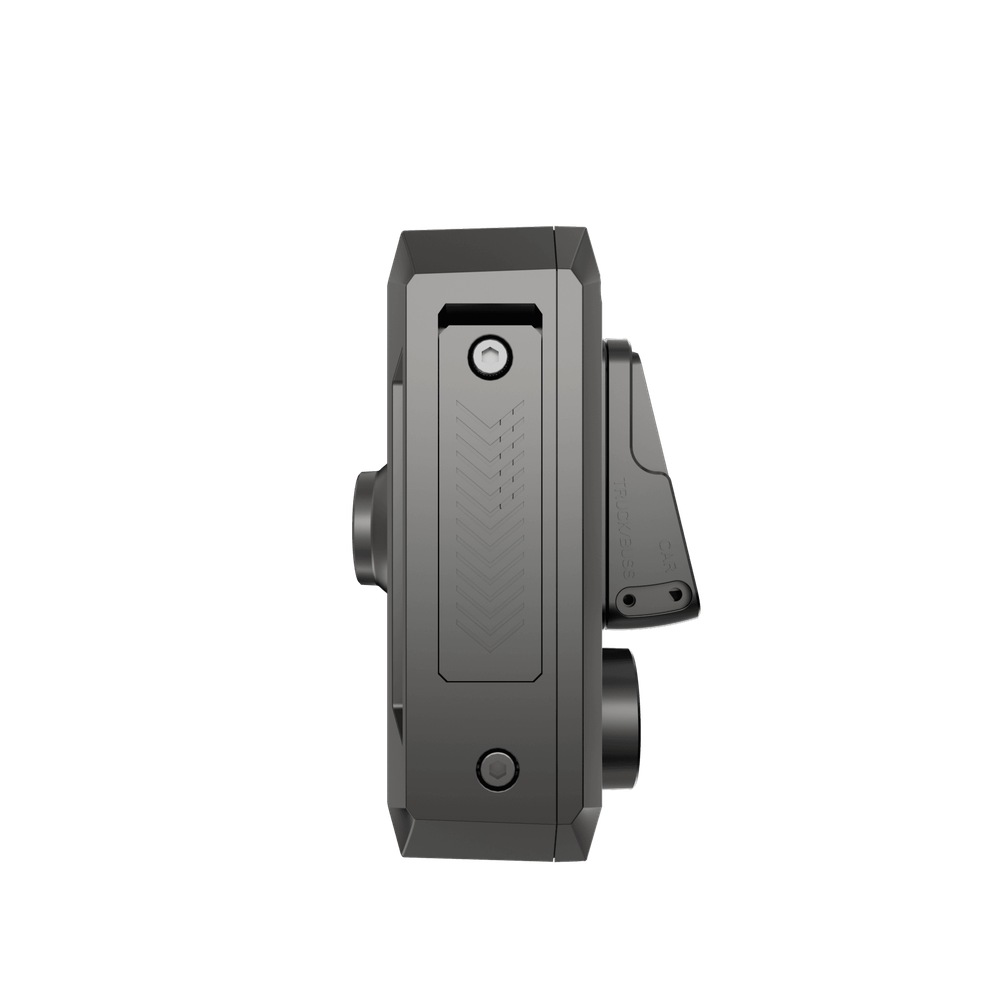
• Confirm telematics uptime and firmware currency. • Verify MDVR recordings are clear and date-stamped. • Enforce maintenance by engine hours. • Set driver-score thresholds tied to coaching, not punishment. • Run a monthly incident review that ends with assigned next steps. Practical checks beat inspirational memos.
Final synthesis — stop treating symptoms, fix the system
No amount of heroic wrenching on site replaces predictable data and robust hardware. When telematics and on-vehicle recording work together, delays shrink, investigations stop guessing, and compliance stops being a surprise. That’s the concrete benefit companies see when they stop improvising and start standardizing hardware and workflows with partners like BSJ — a move that converts chaos into repeatable, measurable outcomes.