
Why a comparative view matters
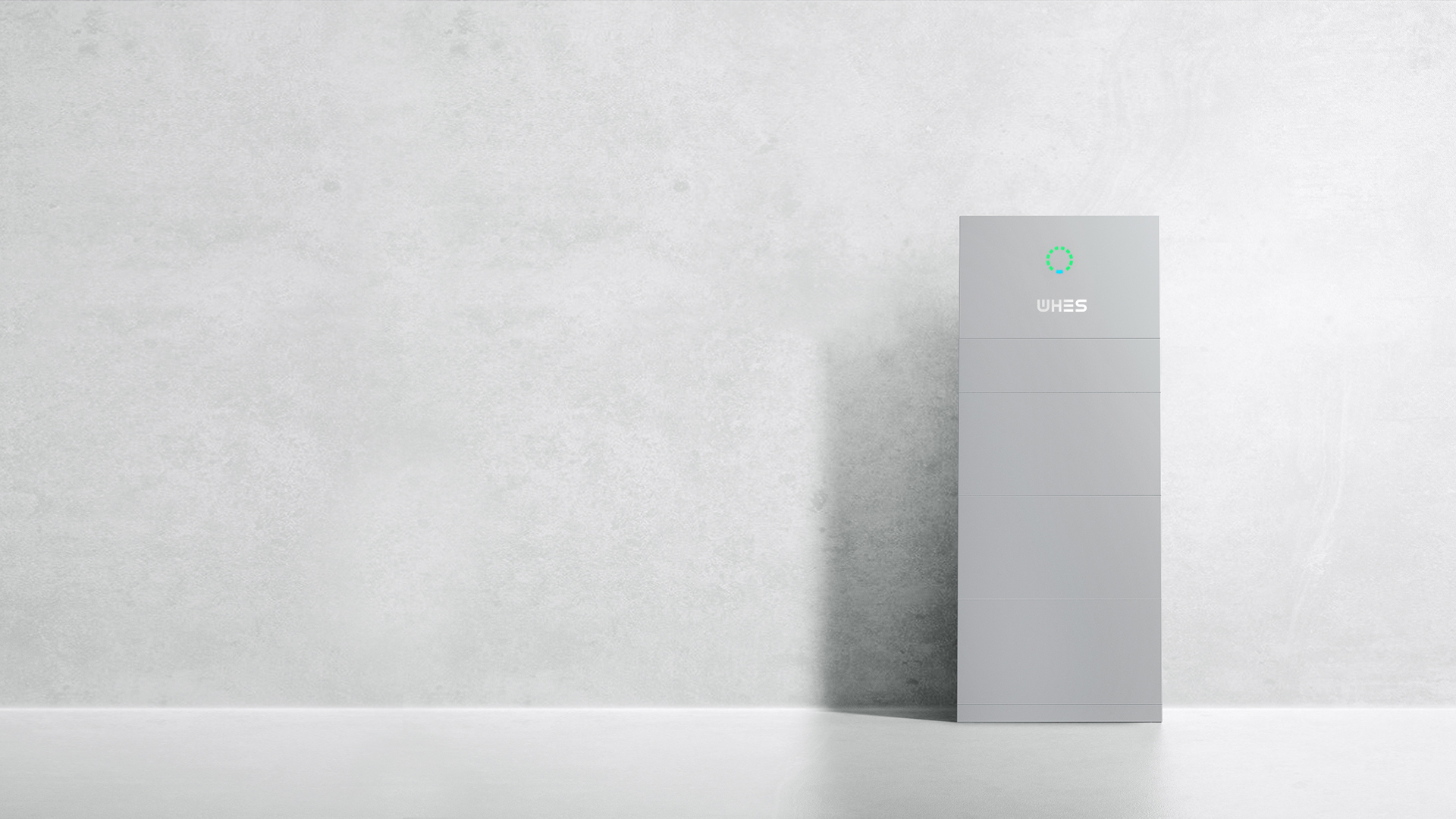
Facilities today demand continuity with minimal tolerance for momentary voltage drops. Comparing solutions—modern static transfer switches (STS) paired with fast-acting energy storage versus traditional UPS or generator-backed schemes—clarifies which approach delivers the lowest risk of micro-sags and production interruptions. This comparison is practical: it ties engineering detail to business outcomes. For organisations evaluating resilience upgrades, consider how commercial battery storage changes the equation for ride-through and switching strategies under real operational loads.
Key metrics that should drive the comparison
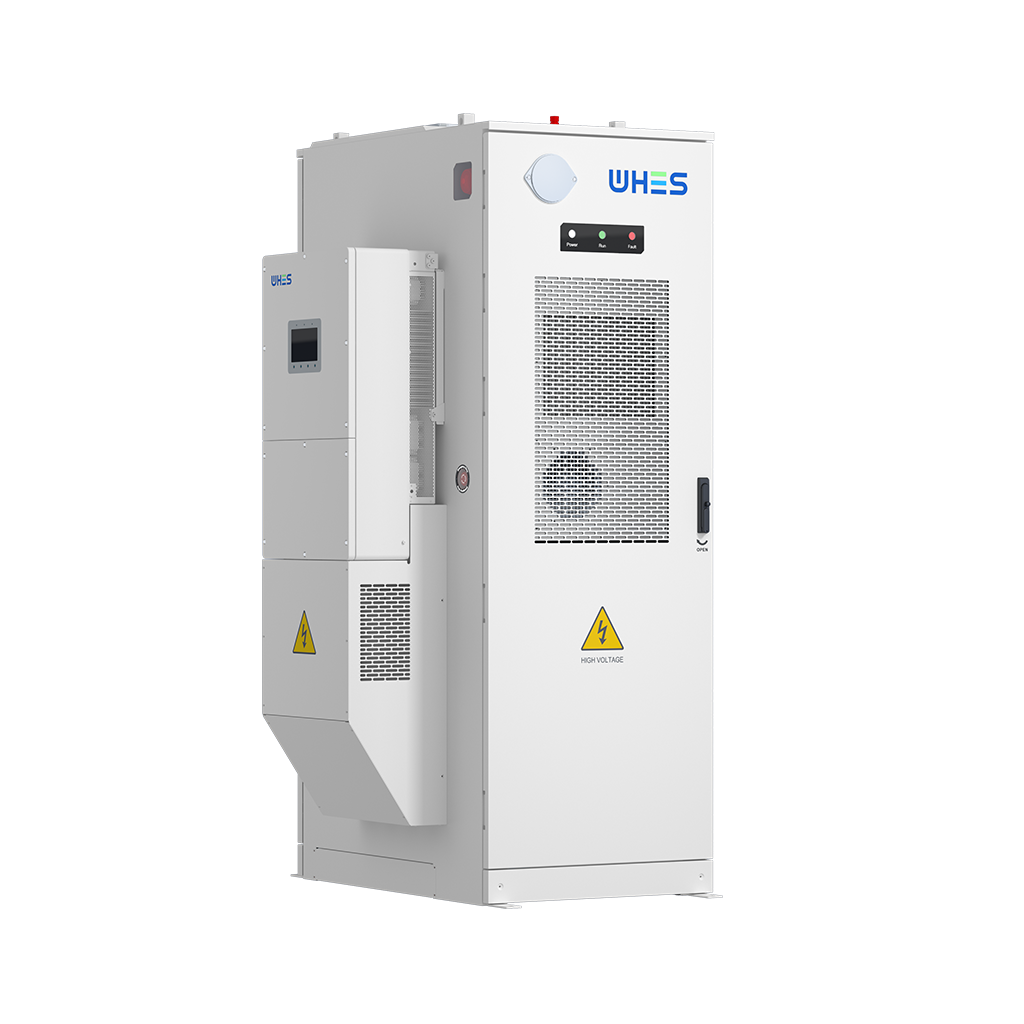
When you compare systems, focus on three measurable dimensions: switching speed, power-conditioning fidelity, and operational economics. Switching speed is typically expressed in milliseconds and governs whether an STS or inverter will prevent a micro-sag from being seen by sensitive equipment. Power-conditioning fidelity covers voltage waveform quality, total harmonic distortion, and whether the system manages transient overvoltages. Economics goes beyond purchase price to include installation complexity, maintenance, and lifecycle cost — including battery state of charge (SoC) management and replacement.
How STS + fast energy storage stacks up against alternatives
Static transfer switches with integrated, fast-response inverters and battery buffers offer a unique balance. An STS can transfer loads between sources in under a cycle, while a nearby power-electronic storage system supplies instant ride-through support during the switchover. Compared to conventional UPS systems, this pairing often reduces energy conversion stages and improves overall efficiency. Compared to diesel gensets, it eliminates the engine start delay and avoids the vibration or harmonic side-effects that sometimes accompany generator kick-in.
Real-world anchors: standards and operational evidence
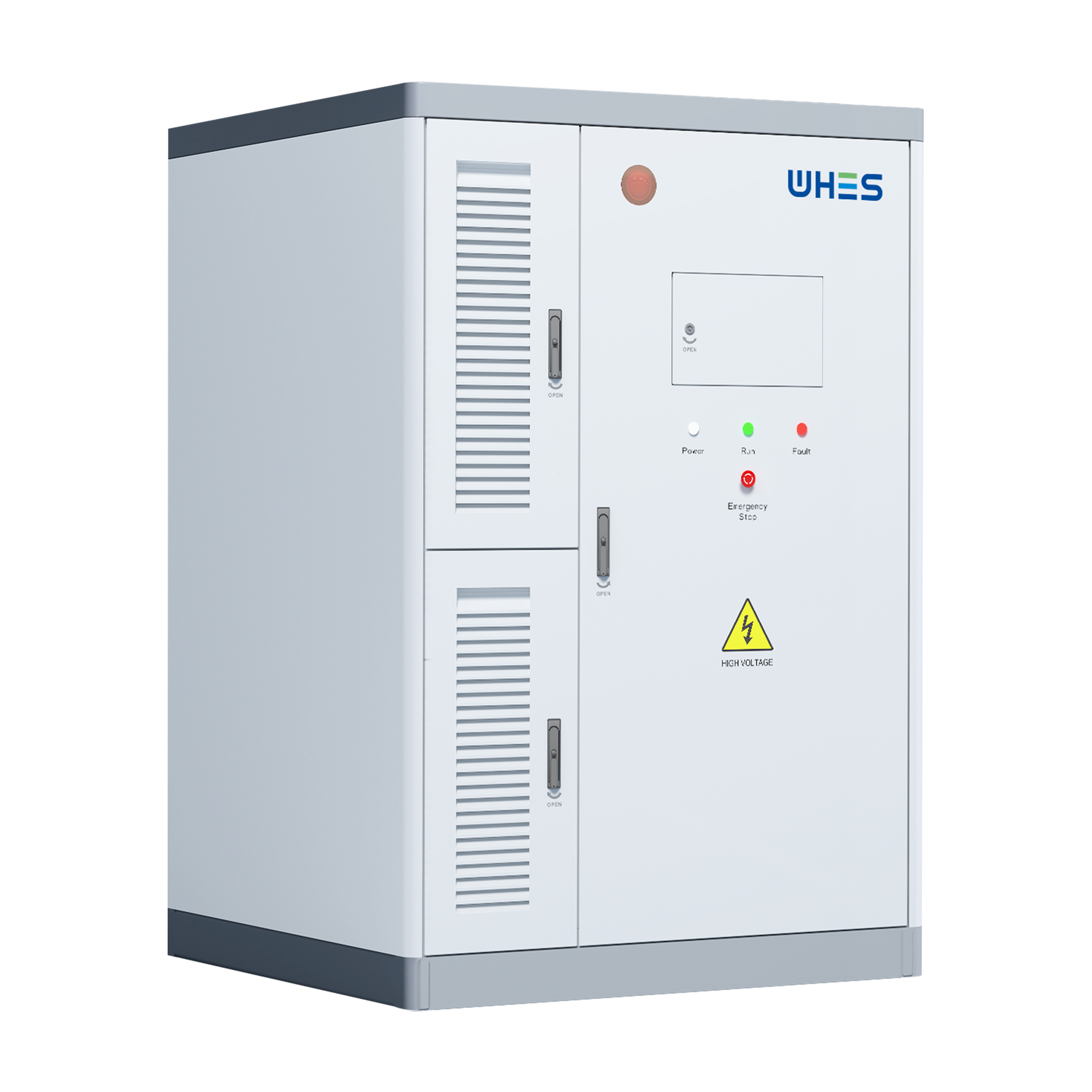
Power-quality standards from IEC and IEEE recognise short-duration voltage dips as a distinct class of disturbance; industry operators accept that even millisecond events can upset PLCs and drive lines. Historically, large-system failures such as the 2003 North American blackout reminded operators that robustness matters at systems scale — but on the factory floor it is the sub-second events that quietly erode yield. Field programs in manufacturing and data centres consistently report that reducing micro-sags yields measurable reductions in unplanned stoppages and scrap.
Practical implementation considerations
Designing a system that truly eliminates micro-sags means attention to topology, control integration, and commissioning. Key points: locate the energy storage close to the load bus to minimise impedance; tune inverter response time and control hysteresis to match the STS transfer profile; and define acceptance tests that validate both steady-state and transient behaviour under representative loads. Integrate telemetry so SoC and inverter health are visible in the same dashboard your plant uses for process KPIs.
Common mistakes and how to avoid them
Teams often underestimate interface tolerance between closures, inrush current behaviour, and the effect of harmonic currents on transfer logic. They also forget to harmonise protection settings across the STS, inverter, and upstream switchgear. A frequent operational mistake is treating batteries merely as backup — rather than as active buffers that can smooth transitions and supply short bursts. Address these by running staged acceptance tests with real production loads and by defining clear protection coordination tables up front — it saves both downtime and disputed warranty claims. —
Comparative trade-offs at a glance
Pros of STS + fast storage: minimal transfer time, lower lifecycle inefficiency, and smoother power-quality performance for sensitive loads. Cons: requires careful control integration, and initial capital for power-electronics and batteries. Pros of generator-centric strategies: familiar maintenance regimes and long-duration support; cons: slower response and potential for micro-sags during start-up. Choose based on the dominant risk: if millisecond-level events cause product loss, favour fast electronic transfer with storage; if extended outages are the main risk, combine strategies.
Advisory — three golden rules for selecting the right solution
1) Measure before you spec: perform an on-site power-quality audit and capture typical event durations and magnitudes. Use that data to specify maximum acceptable transfer time and inverter response. 2) Demand interoperable controls: require vendors to demonstrate coordinated protection and transfers in a witnessed FAT with representative loads and documented pass/fail criteria. 3) Evaluate total lifecycle cost: include battery replacement cycles, control software updates, and the operational value of reduced downtime when comparing vendor proposals.
When these rules are observed, the practical value is clear: systems that combine fast STS action with purpose-built c&i battery storage remove the uncertainty at the millisecond scale and deliver predictable uptime. For operators, that predictability is the real ROI — and it is where a technically grounded partner makes the difference. WHES understands both the control-side subtleties and the commercial trade-offs, making their approach a sensible match for demanding sites.
Concise expertise.