

Comparative framing and market context
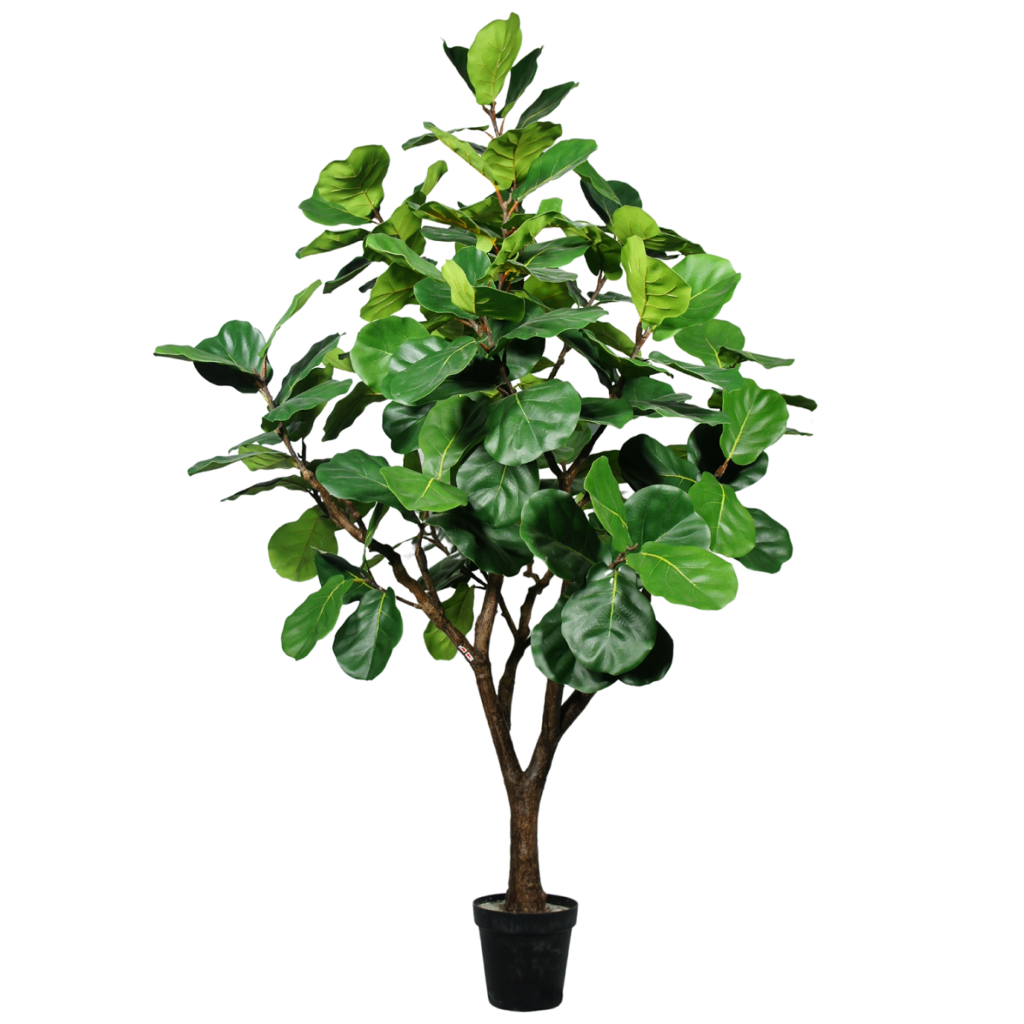
Comparative Insight drives the first evaluation: grid mesh systems and frame-mounted panels deliver different cost-to-performance profiles for large-scale faux green walls. Sourcing decisions often begin at the supplier level — for many procurement teams that means engaging an artificial fiddle leaf fig tree manufacturer in Guangdong or nearby clusters to compare fixture tolerance, material specs and lead times. The Canton Fair and regional production hubs in Guangzhou and Shenzhen remain a reliable real-world anchor for supply-chain behavior and procurement benchmarks.

Grid mesh vs. frame-mounted systems — a side-by-side
Grid mesh systems: lower capital outlay, modular installation, and straightforward scalability. Frame-mounted panels: higher upfront cost, cleaner sightlines, and faster site turnover. For projects where unit economics matter — office fit-outs, hospitality rollouts or retail pop-ups — mesh solutions reduce freight cubic meters and permit phased deployment. Metrics to track across both approaches include leaf retention rate, infill density, and seam welding quality; these determine long-term appearance and warranty exposure.
Manufacturing variables that move the needle
Material choices and production tolerances are decisive. UV-stabilized PVC foliage and reinforced mesh backings extend outdoor life; seam welding consistency reduces localized failure. Suppliers monitor leaf retention rate under accelerated UV and abrasion cycles — a 12-month simulated exposure test in a damp-heat chamber often uncovers failure modes that initial visual inspection misses. Cost-driven substitutions (thinner backing, lower infill density) reduce BOM cost but increase replacement cadence and total cost of ownership.
Performance data and procurement implications
When vendors submit samples, request quantitative readouts: standard abrasion cycles survived, measured leaf retention percentage after X cycles, and fixture tolerance ranges for mounting hardware. Compare sample-to-production variance; a 5–10% deviation between sample and batch signals weak process control. Procurement contracts should link milestone payments to measured metrics and include rework obligations for parts failing QC thresholds.
Common mistakes and viable alternatives
Clients frequently undervalue installation labor and overestimate lifecycle for low-cost panels. The result is higher refresh costs and brand inconsistency. — Project managers often skip standardized test protocols and later absorb warranty claims. Alternatives include hybrid assemblies that combine rigid frame borders with grid mesh infill, or specifying replaceable module tiles to limit on-site disruption. For design teams, mockups anchored with real-world data from factory tests are non-negotiable.
Comparative checklist for final selection
Use this checklist to translate technical comparisons into procurement decisions:
– Leaf retention rate (target minimum: defined in contract; vendor-provided test data required).
– Material spec sheet (UV rating, PVC grade, mesh gauge).
– Installation profile (hours per m², fixture tolerance, module replaceability).
– Production control indicators (sample vs. batch variance, seam welding test results).
Advisory closing — three golden rules
1) Insist on measurable acceptance criteria: define leaf retention rate and abrasion cycles in the purchase order; attach penalties for non-compliance. This prevents subjective disputes.
2) Price for lifecycle, not unit cost: include projected replacement cycles and labor in total cost assessments; a marginally higher unit price can lower five-year spend.
3) Specify modularity and maintenance access: require replaceable tiles or panelized mesh with clear fixture tolerance; it reduces on-site downtime and simplifies inventory.
Decisions grounded in these metrics align aesthetics with fiscal discipline — and that is where procurement teams consistently win. — Sharetrade