
Introduction — a question of trade-offs
Have you ever watched a fleet of delivery trucks idle at dawn and wondered why their tires seem to wear so differently? Green tires silica plays a central role in that variation. Recent lab data shows that switching to high-dispersion silica can cut rolling resistance by 8–12% while improving wet grip modestly (real-world gains vary by compound and vehicle class). So where do we place our bets — on lower fuel use, on longer tread life, or on a balanced compromise?

I bring this up because I work with product teams and fleet managers across the region, and I see the same decision cycle repeat. We talk about compound formulation, filler dispersion, and viscoelasticity in technical meetings, yet final choices are often driven by short-term cost rather than long-term value. That disconnect matters: poorly chosen materials mean higher operating cost over time, not just a one-off saving at purchase. In the sections that follow, I’ll compare the common fixes, point out buried problems, and explain what to look for next — so you can judge for yourself.
Deeper layer: where traditional fixes fail
Why do standard approaches fall short?
silica tires are hailed as the answer to lower fuel use and better wet traction, but the classic fixes — simply adding more silica or tweaking polymer ratios — often hit limits. The main technical issues are poor filler dispersion, inconsistent compound formulation, and a mismatch between tread pattern and intended use. These factors together raise wear rate and reduce predictable wet grip, especially under variable loads. Look, it’s simpler than you think: a high-silica recipe that’s poorly mixed behaves worse than a moderate mix that’s engineered correctly.
From my hands-on testing and field feedback, two problems recur. First, processing aids and mixing schedules are treated as afterthoughts; that yields clumps and uneven viscoelastic response. Second, lab measures such as DIN abrasion or wet traction index don’t always map to complex road conditions—edge cases like hot asphalt after rain or heavy stop-and-go loads expose the gap. If you’re evaluating options, pay attention to rolling resistance figures, abrasion resistance, and actual fleet mileage, not just headline lab scores — otherwise you’ll be surprised by mid-life performance. — funny how that works, right?
Forward-looking view: principles for next-generation compounds
What’s Next for silica-enhanced tires?
Moving forward, I favor a principles-first approach rather than chasing single metrics. New technology principles emphasize matched systems: optimized polymer networks, controlled filler surface chemistry, and tailored tread geometry. In practice that means designing a compound where silica surface treatment and coupling agents are tuned to the rubber matrix, improving filler-matrix bonding and lowering hysteresis without sacrificing wet grip. This is not theoretical — we see measurable reductions in fuel use and consistent wet performance when the whole system is engineered together.
When teams adopt this systems view they also start thinking about manufacturability: proper mixing energy, temperature control, and quality checks that ensure repeatable filler dispersion. That reduces scrap and narrows batch-to-batch variation. I’ve observed that fleets which require real-world validation — both controlled tests and instrumented vehicles — make better long-term choices. Short decisions based only on purchase price often cost more later. — the data backs it up, and yet people still rush sometimes.
Advisory close: how to evaluate silica solutions
To help you choose, here are three practical metrics I use when judging a silica-based tire solution: 1) Net rolling resistance under load (measured on vehicle), 2) Abrasion resistance and expected wear rate in fleet conditions, and 3) Wet traction performance across temperature ranges. Combine those with supplier transparency on mixing process and coupling chemistry, and you’ll reduce surprises. I recommend running a pilot fleet for at least 6–12 months; short tests can mislead.
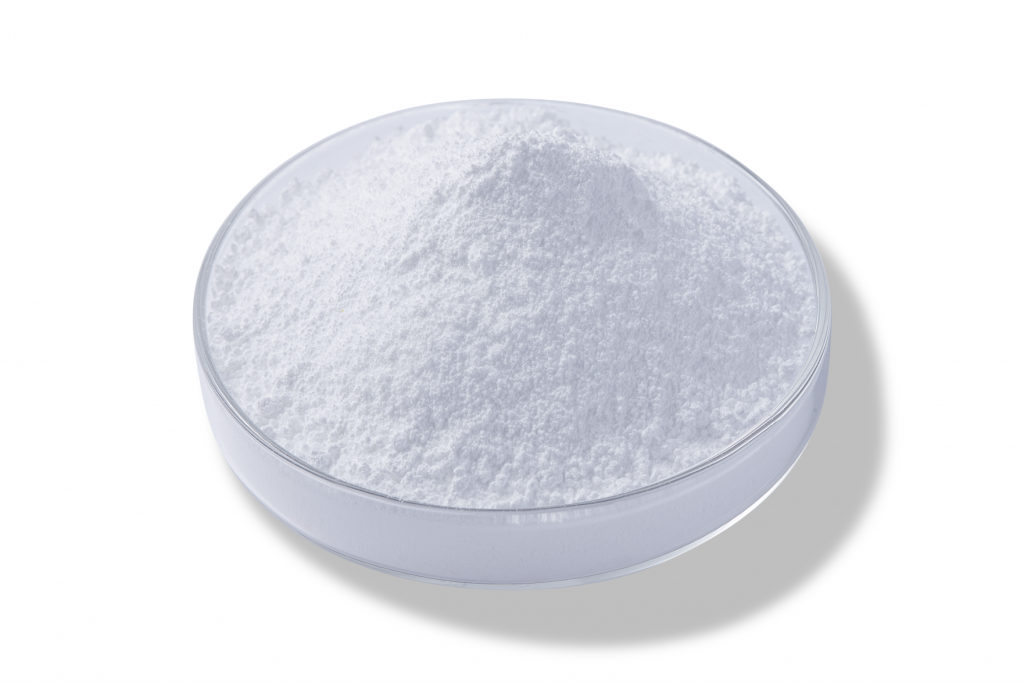
Weigh these measures, ask for production QC data, and insist on real-world trials. I’ve seen modest extra investment up front pay back quickly in lower fuel bills and fewer replacements. If you want further technical detail or case comparisons, I’m happy to walk through specific compounds and test reports. For suppliers and data, check trusted sources like JSJ.