
A Quick Look at How We Got Here
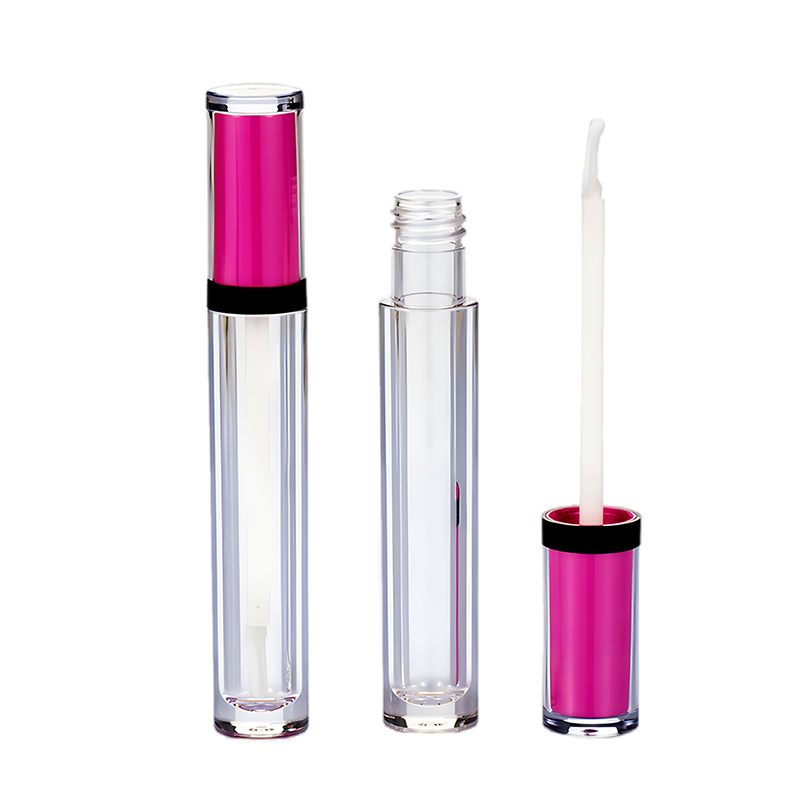
I once watched a small beauty brand scramble at 10 p.m., sealing testers by hand before a weekend pop-up, praying the tubes wouldn’t leak. Their lip gloss tube manufacturer had shipped late, and the caps felt a bit loose—eish, not ideal. In that rush, I learned how an empty lip gloss tube manufacturer can make or break the moment. Industry reports often show that a large chunk of returns stem from packaging faults, sometimes near half of user complaints. Now picture this: you’ve nailed your formula, nailed your branding, but the applicator drags, or the wiper wastes half your product. How many customers quietly switch brands because the tube feels cheap, or messy, or slow to use? (More than we admit.) So the big question lands: are we comparing tubes on the right things, or just on price and a quick sample check? Let’s unpack the real friction, and then stack the new options side by side for a fair look.
Hidden Friction in Empty Tubes: What Buyers Miss
Where do users still struggle?
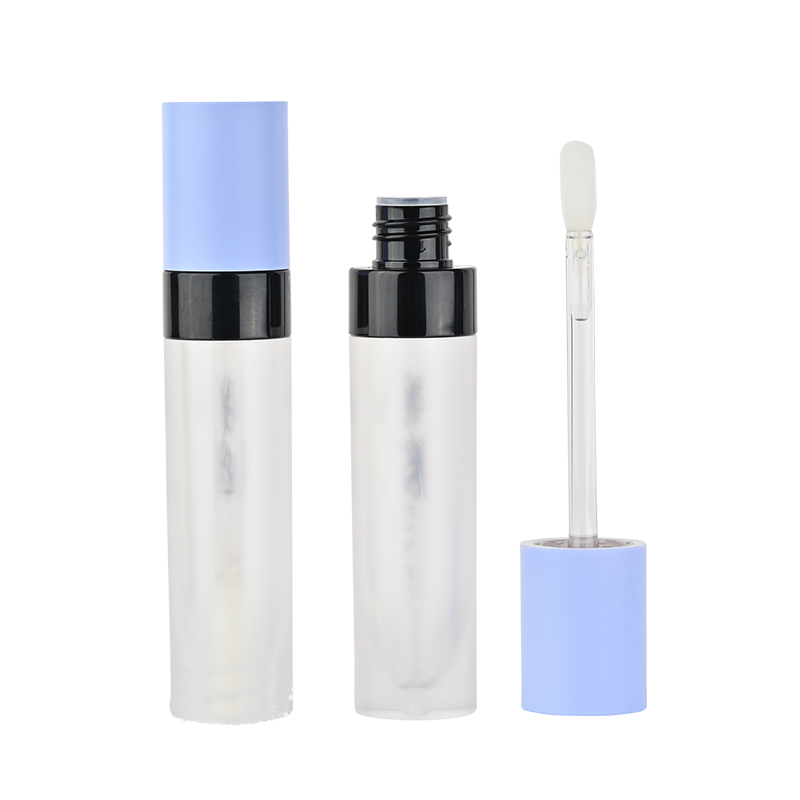
Let’s get technical and plain. Many teams test the color and scent, but skip stress points that users feel every day. The first is seal reliability. A tube can look glossy but fail under heat changes in transit. Tight caps without proper torque testing can still back off in the mail—funny how that works, right? The second is flow. If the wiper aperture doesn’t match the product viscosity, you get streaks or blobs. Over time, viscosity drift with temperature turns smooth application into a fight. Another quiet culprit is liner permeability. Some liners allow slow solvent loss, drying product near the tip. Users think “bad formula,” but it’s a packaging mismatch. Finally, ergonomics: the doe-foot angle, stem flex, and stop depth affect pickup and laydown. When those are off, customers use more strokes, and churn creeps up.
Look, it’s simpler than you think: map pain to process. Ask how your supplier controls injection molding tolerances, and how they validate wiper cuts across batches. Check if they run accelerated aging, not just shelf sit. Confirm fit data, not vibes—cap torque bands, leakage at pressure, drop tests at -5°C and +40°C. And if you care about sustainability, quiz the resin story. PCR resin sounds good, but do they track melt flow rate shifts that affect seal integrity? Small details like these separate a “nice sample” from a stable line. Users won’t explain all this in reviews. They’ll just leave.
Comparative Tech: Materials, Methods, and What Comes Next
What’s Next
Now, let’s look ahead with a cooler head. Newer tube systems push two big levers: smarter materials and tighter processes. On materials, monomaterial PP bodies with PP applicators improve recyclability without wrecking feel. Thin-wall designs cut grams per unit and still survive a purse toss. Additive tweaks improve stress-crack resistance, so your gloss doesn’t creep along microfractures. On process, inline vision systems catch wiper burrs and short shots in real time. Ultrasonic welding creates cleaner joints with fewer solvents. Digital print cures at lower temps, reducing warpage around threads. All that means better consistency at scale, not only a prettier SKU. If you are comparing options for custom lip gloss tubes, ask how their line links QA data to your batch ID—so a complaint traces back to the exact mold cavity. That’s modern packaging. Quiet. Efficient. Reliable.
Case examples point the way. Indie brands moving from mixed ABS/PET systems to monomaterial PP cut pack weight by double digits and lowered leak rates after hot-truck testing. A mid-market line swapped to a tighter wiper spec and reduced product waste by milliliters per unit—small change, big margin. And yes, digital color matching on caps reduces rework time, which stabilizes lead times during peak drops. The lesson is simple: compare by performance, not just catalog photos. Then choose forward-compatible designs that play nice with future resins and applicators. To close, here are three quick metrics to keep you grounded: 1) Seal integrity index: combined torque, drop, and pressure leak scores across temperatures. 2) Flow fidelity: consistent pickup/laydown across five user speeds using the same wand geometry. 3) Carbon per unit and recovery path: grams of material plus real end-of-life options. Keep those tight, and your user experience stays easy—while your ops team sleeps better. That’s the evolution worth betting on with NAVI Packaging.