
Setting the scene: why procurement math matters
Procurement for transport wayfinding is often framed as a cost-versus-performance problem, but the more useful lens is strength-to-weight — how much functional value you get per installed kilogram. This matters physically (mount loads, platform ceilings) and operationally (maintenance, power draw). Early decisions around screen type, mounting hardware and software ripple through lifecycle costs, so teams frequently turn to commercial digital signage partners to translate requirements into durable systems.
Comparative frameworks: vendor-led, needs-led, and hybrid
A vendor-led framework emphasizes turnkey solutions: LED tiles, integrated media players and preconfigured mounting kits. It simplifies procurement but can lock agencies into specific modules. A needs-led framework breaks requirements into discrete metrics — pixel density, brightness (nits), weight limits and CMS compatibility — and invites modular bids. The hybrid model blends both: it prescribes performance targets while leaving hardware choice open. Comparing bids under the same strength-to-weight performance envelope reveals real differences in installation complexity and long-term flexibility.
Technical trade-offs that change the equation
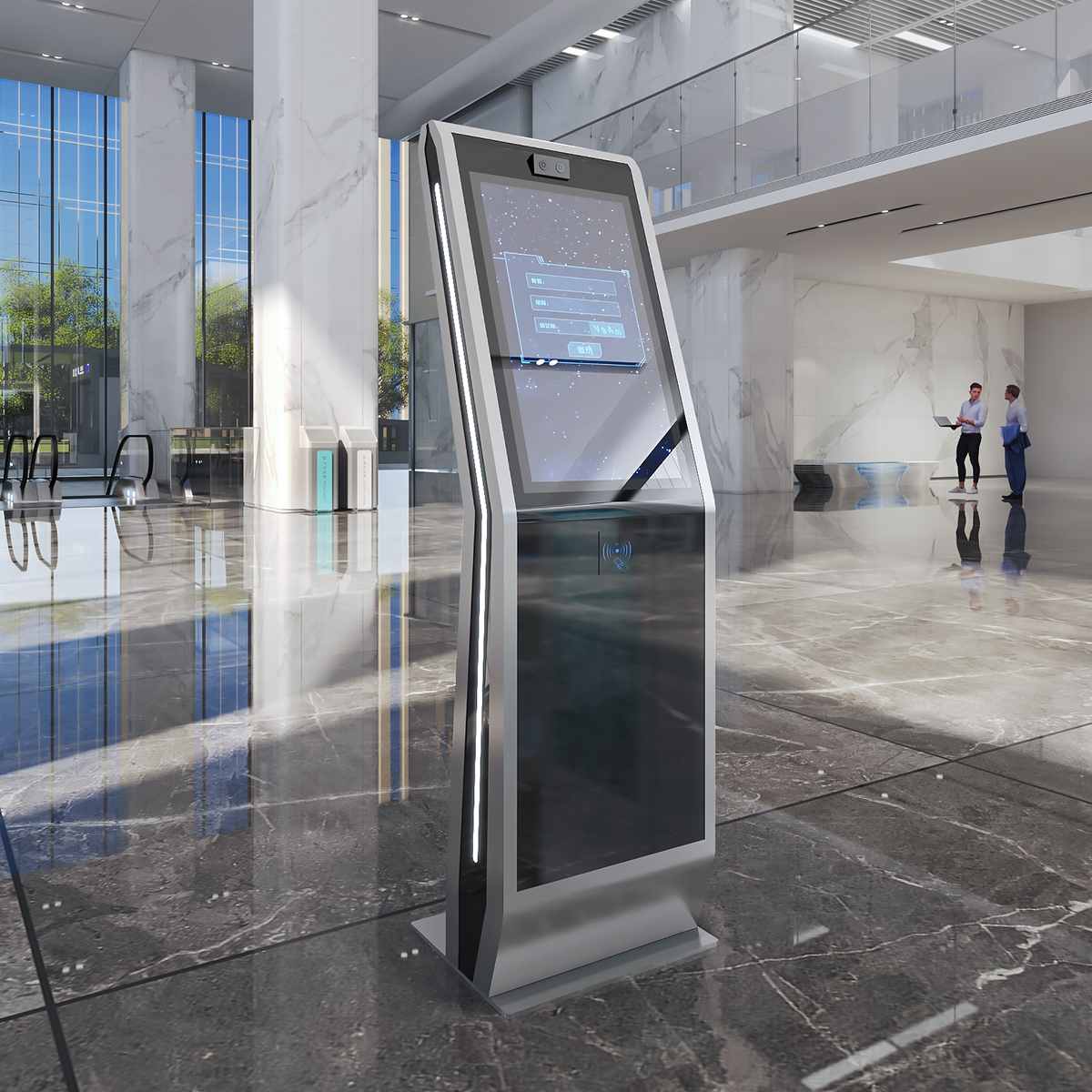
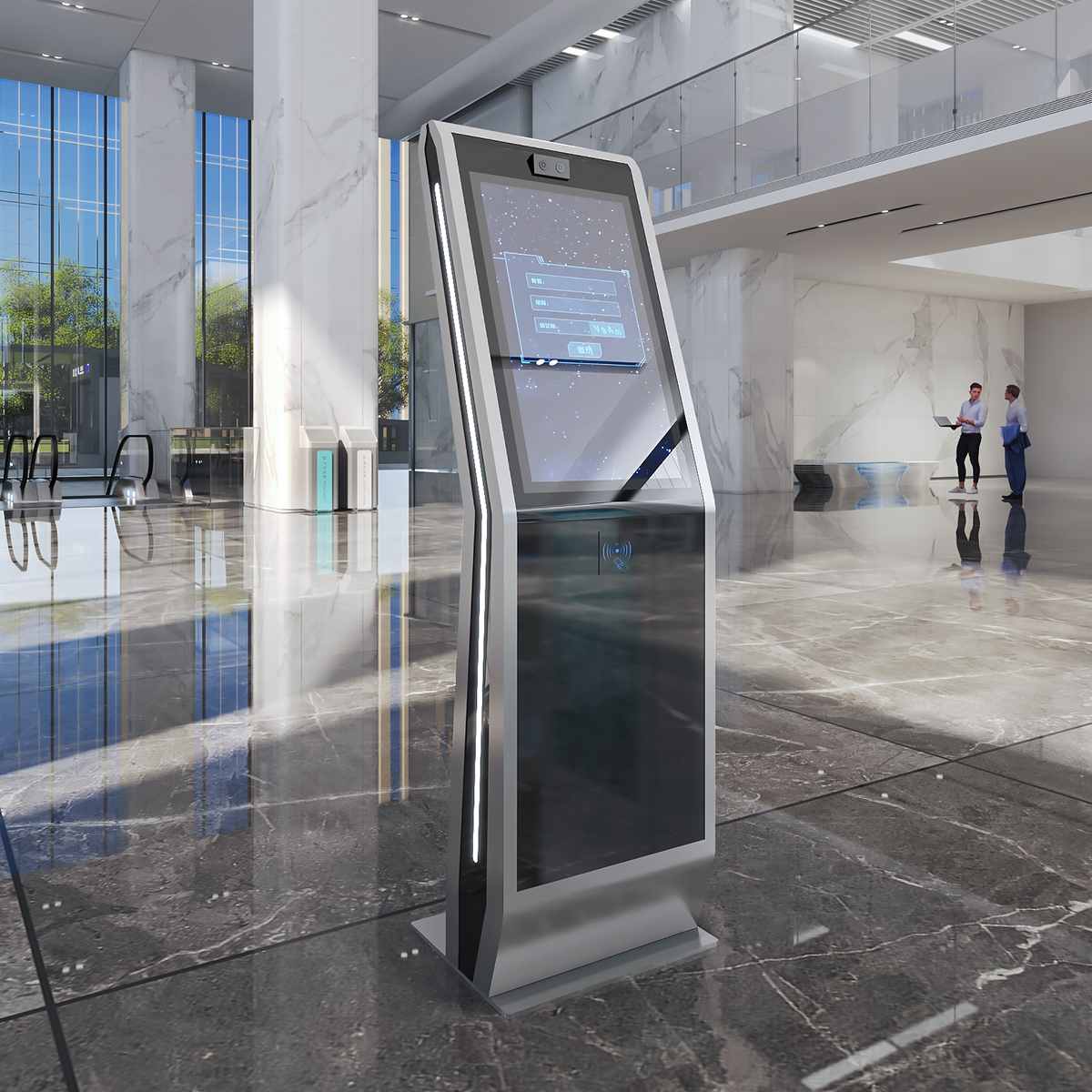
Choosing lighter panels reduces load but may increase fragility or lower brightness. High-brightness outdoor screens can reach high nits and require robust cooling; heavier housings help but raise structural costs. Integrating an interactive kiosk or touch layer improves passenger engagement but adds weight and a need for vandal-resistant housings. Pixel density and HDR capability affect legibility at distance, while the content management system (CMS) determines how easily operators push wayfinding updates. These are not abstract choices — they affect timelines and safety margins at busy hubs such as London Underground stations, where Transport for London updated signage ahead of the 2012 Olympics to handle massive passenger flows.
Procurement playbook: measurable specs over glossy brochures
Translate visual goals into measurable criteria: readable at X meters, mounted within Y clearance, maximum Z kg per meter of rail. Require vendors to submit structural simulations and expected mean time between failures. Ask for power budgets, not just peak draw — real-world runtime matters. Include integration points for sensors or beaconing so wayfinding logic can adapt during incidents. A clear RFP template that weighs weight-sensitive metrics alongside durability yields bids that can be compared on apples-to-apples terms.
Common mistakes, practical alternatives, and quick wins
Too often, committees chase the highest contrast demo and omit installation realities. That leads to custom brackets, delayed rollouts and warranty disputes — all baked into budget overruns. Instead, pick standardized enclosures that meet ingress protection ratings and specify modular LED panels to allow field swaps. Consider hybrid signage: static printed maps plus smaller dynamic panels for real-time alerts. These solutions reduce power consumption and simplify CMS feeds. — A small pilot in one high-traffic station can validate legibility metrics before system-wide procurement.
EEAT anchor and real-world grounding
Transport authorities evaluate signage against safety and wayfinding outcomes. The London Underground modernization before the 2012 Olympics is a practical anchor: it combined stringent legibility standards with heavy operational constraints, demonstrating that robust procurement frameworks prevent ad-hoc retrofits. Rely on supplier case studies that include structural calculations and uptime figures, and request references from similar transit projects to verify performance claims.
Advisory: three golden rules for selecting the right wayfinding strategy
1) Prioritize measurable performance targets — specify readable distance, max weight per support, and power/thermal limits before product selection. These metrics keep bids comparable and enforce realistic strength-to-weight trade-offs.
2) Demand modularity and serviceability — choose panels and enclosures that permit field replacement without scaffold-level work. This reduces downtime and lifecycle cost, and simplifies spare-part inventories.
3) Validate integration early — confirm CMS interoperability, sensor feeds and remote diagnostics in a live pilot. A working content pipeline prevents months of site rework and ensures updates propagate reliably.
.jpg)
Cosun Sign has field experience building configurations that balance these rules — a practical partner rather than a theoretical one. — Final thought: procurement that measures what matters delivers signage that performs.