
Introduction — Scene, Numbers, Question
Ever caught yourself staring at a stack of soggy wipes and wondering where it all went wrong?
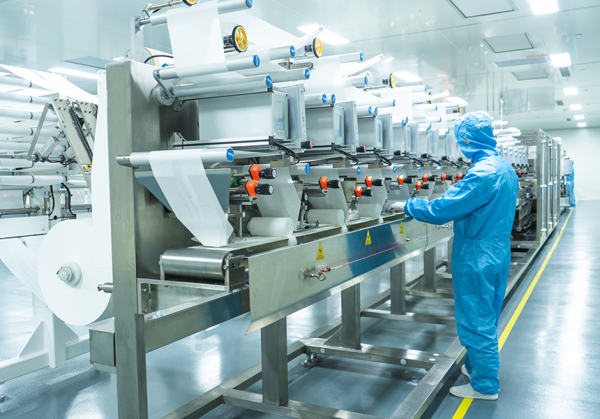
As someone who’s worked alongside a wet wipes machine manufacturer, I’ve seen lines that promise 300 packs per minute but choke to half that in real life (true story). Data doesn’t lie: downtime can eat 15–30% of daily output on some floors. So why do machines built to be simple still trip over the same issues—jams, uneven dosing, seal faults—and what actually fixes them?
I’ll walk you through what I’ve learned on the floor and behind the tech bench, no fluff—just hard stuff that helps teams ship better wipes. Let’s dig into the weak spots first, then map out smarter fixes.
Part 2 — Why Traditional Fixes Miss the Mark (and the user pains they hide)
What’s the real snag?
I want to start with antibacterial wipes because they’re a top seller—but making them reliably is harder than you’d think. Old fixes focus on brute force: faster rollers, stronger motors, bigger heaters. That treats symptoms, not causes. In my view, a lot of teams overlook subtle user pain points—like inconsistent fabric tension and poor dosing—which bite back as scrap and customer complaints.
Look, it’s simpler than you think when you actually watch the line. A small mis-tune in the servo motors or a lagging PLC controller leads to misfeeds. Ultrasonic sealing that’s just a touch off causes leaks. And reel-to-reel setups? If the unwind tension isn’t spot on, you get wrinkles that later show up as wasted packs. Those are not glamorous problems. They’re the crap that ruins a shift.
We’ve had clients tell us they swapped entire modules—buying new drying tunnel units and upgraded power converters—only to find the root cause was a misaligned cutting die upstream. So the lesson: stop hammering at symptoms. Diagnose with simple checks (tension gauges, basic oscilloscope traces) and log the results. I do this with teams every week—funny how that works, right?
Part 3 — Moving Forward: Tech Principles and Practical Choices
How do we build better lines?
Now, let’s look ahead. I’m betting on two things: smarter controls and human-centered design. For antibacterial wipes production, that means combining edge computing nodes for local decision-making with straightforward mechanical fixes—like modular cutter heads and easy-access drying tunnels. These ideas aren’t sci-fi; they’re practical upgrades that cut downtime and make maintenance less painful.
In practice, I recommend pilots. Try a small upgrade—add a better tension sensor or swap in a more responsive servo—and measure the outcome. We found that a single well-placed sensor plus minor PLC tweaks can boost throughput by 10–20% without buying a new line. (Yep, small changes win.) Also, train operators on the new bits. Tech helps, but human know-how closes gaps.
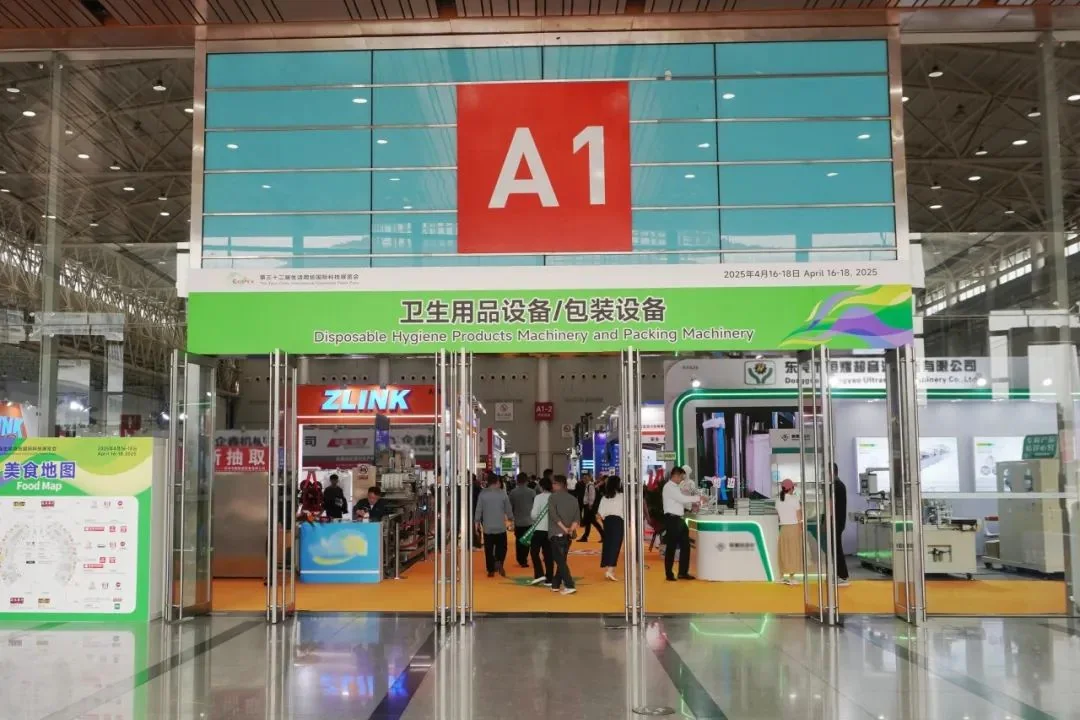
Final take? When you evaluate solutions, use three clear metrics: uptime change (hours/week saved), scrap rate reduction (percent), and mean time to repair (minutes). Those tell you if an upgrade matters. I’d weigh those over flashy specs every time. If you want a partner who’s been in the trenches and will walk the floor with you, check out ZLINK. We’ll figure it out together.