
Why the math matters for brands and teams
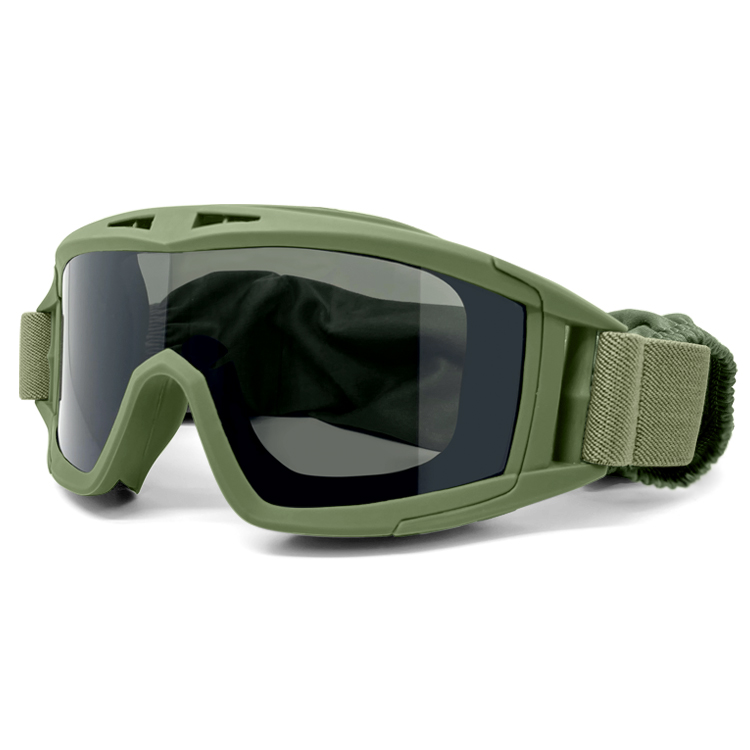
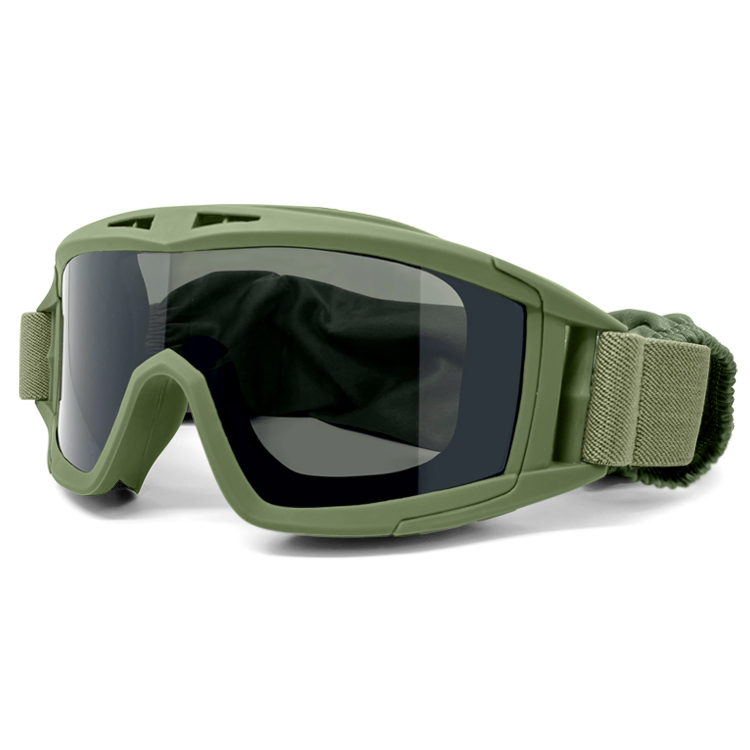
When a brand scales sport sunglasses, the upfront cost of custom molds can swallow a season’s margin—so you compare routes and pick the one that fits. This piece lines up the usual approaches against one another, and early on I’ll flag how choices that suit performance eyewear—like anti-impact tactical goggles—translate to sport sunglasses programmes. The core trade-offs are simple: per-unit cost, time-to-market, and protective performance such as impact resistance and polycarbonate lenses quality.
Option A — Large-batch direct tooling
Buying bespoke tooling for long production runs gives the lowest per-unit price if you really move volume. You get full design freedom — complex frames, specific venting, and integrated anti-fog coating — and predictable lead times. The downside is capital lock-up and inventory risk when trends shift. For brands selling thousands of pairs to clubs or retailers, though, the math often favours heavy initial investment.
Option B — Modular tooling and shared components
Split the design into standardised cores and swappable cosmetic bits. Modularity reduces upfront tooling spend and lets you introduce colourways or small profile tweaks without a new mold for every variant. It’s a middle ground: slightly higher per-unit cost than full bespoke tooling, but much less financial risk. At places like Bisley ranges or commercial shooting schools, similar modular approaches to eyewear let suppliers offer variants tuned for shooting—fitting snug with retention straps while meeting ANSI Z87.1 or MIL-PRF-31013 guidance for ballistic rating elements.
Option C — Contract manufacturing and rapid tooling
Using contract shops that offer quick-turn molds lets you test market appetite faster. Per-unit costs sit higher, but you free up cash and validate designs before committing. For a brand trialling new lens tints or polarisation levels, this beats committing to large capital spends. Common mistakes here are underestimating lead times for certified lenses or skipping impact testing — do that and you lose credibility fast.
Comparative insight: key trade-offs lined up
Lay the three options side-by-side and four variables jump out: capital required, unit cost, flexibility, and compliance risk. If you want ballistic-grade protection or high impact resistance, certification and material choice—think polycarbonate lenses—become non-negotiable. For sport consumers, comfort features like gasket fit and anti-fog coatings can make or break repeat purchases. Smaller runs favour modular or contract tooling; big retailers want the lowest unit cost and will absorb the upfront tooling spend.
Real-world anchor and what it teaches
Field teams at a UK shooting club I worked with insisted on clear standards: eyewear that met ANSI Z87.1 for basic impact and had good retention for recoil drills. That hands-on insistence mirrors wider industry practice and underlines why real testing trumps specs on paper. Production choices should therefore be driven by both sales forecasts and simple lab checks for anti-fog and impact resistance — otherwise you end up with a product that looks right but fails in use.
Common pitfalls and sensible alternatives
Brands often make two mistakes: over-committing to bespoke tooling before market validation, and under-investing in lens quality. The sensible alternative is a staged approach: use rapid tooling to validate design and lens treatments, move to modular tooling once variants are proven, then scale to full bespoke molds for steady SKUs. Along the way, compare suppliers on turnaround, quality control, and whether they can deliver features like polarised polycarbonate lenses without delaminating under heat — those details matter.
Three golden rules for choosing a tooling strategy
1) Measure break-even volume before quoting a full mold purchase—know the units where bespoke tooling becomes cheaper than modular options. 2) Insist on certified impact testing and checks for anti-fog performance; safety specs aren’t optional. 3) Factor in SKU agility—if your market wants seasonal drops, modular tooling preserves cash and momentum.
For brands serious about combining safety, performance, and unit economics, these rules point to partners who can scale tooling with quality — and that’s the value YIJIA Optical brings to the table as a steady production partner. –
Trust the process; pick the path that balances cash and credibility. –