
Introduction: A quick scene, a fact and a question
I once stood on a shop floor watching a packing line cough and stop every few minutes — you feel it, the whole team tenses up. In that very line a single lid applicator machine handled hundreds of tubs an hour (60–90, depending on the run) and still caused more headaches than you’d expect. The data is blunt: small stoppages add up to big losses — minutes here, lost cases there — so how do we stop wasting time and money on what should be a simple step? I want to walk you through what I’ve seen work and where people keep going wrong — and then point to practical things you can check straightaway.
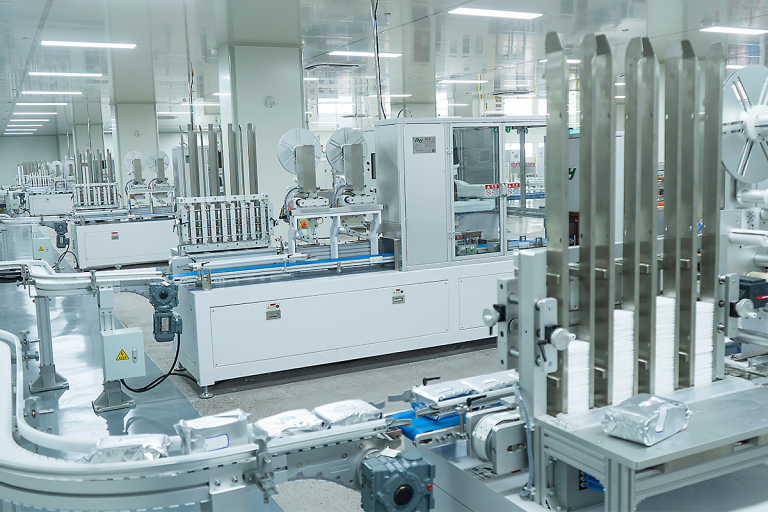
Where the automatic lid applicator machine market falls short (and why you should care)
What breaks down in practice?
When you look at the automatic lid applicator machine market, the brochures promise seamless uptime and plug‑and‑play integration. In reality, systems arrive with mismatched expectations and a stack of hidden trade-offs. I’ve seen lines where the servo motors were sized for ideal conditions but failed under slight variation in container height — the result: repeated jams and manual intervention. Add in a basic PLC setup that can’t handle fast error recovery, vision sensors tuned in the factory but blind to local dust or lighting — and you’ve got frequent stops. Look, it’s simpler than you think: if the core control and sensing aren’t robust, the rest is window dressing.
Another common problem is conveyor integration — the lid applicator is treated like an island. That leads to timing drift, collisions when changeovers happen, and extra wear on parts such as power converters and belts. Operators end up doing ad hoc fixes (tape, shims, guesswork) — which is an operational risk, not a solution. I feel strongly that manufacturers and buyers both underestimate how much training and tune-up a machine needs on day one. The real pain is hidden: longer changeovers, creeping scrap rates, and reliance on a single tech who knows “how it behaves”. — funny how that works, right?
What new technology principles can fix this — and what to look for next
What’s Next?
New designs target the exact weak spots above. Modern systems use edge computing nodes to run local diagnostics and reduce PLC load, which means the line can self-correct small timing errors before they cascade. Adaptive vision sensors now learn tolerances on the fly rather than relying on fixed thresholds, so they cope with dust, label shifts and variable fill heights. If you’re evaluating upgrades in the automatic lid applicator machine market, prioritise modular servo packages and vision systems that support field tuning — and insist on documented conveyor integration tests. I’ve watched a modest retrofit cut downtime by nearly half — yes, really.
There are practical principles I follow when advising teams: design for maintainability (spare parts that are easy to swap), build diagnostics into both PLC and HMI so operators see simple prompts, and use power converters sized with headroom for peak draws. These things cost a bit up front, but they keep the line running at rated throughput, and they make life easier for operators and engineers alike. If you want an easy checklist — here are three key evaluation metrics I recommend using when choosing or upgrading a lid applicator:
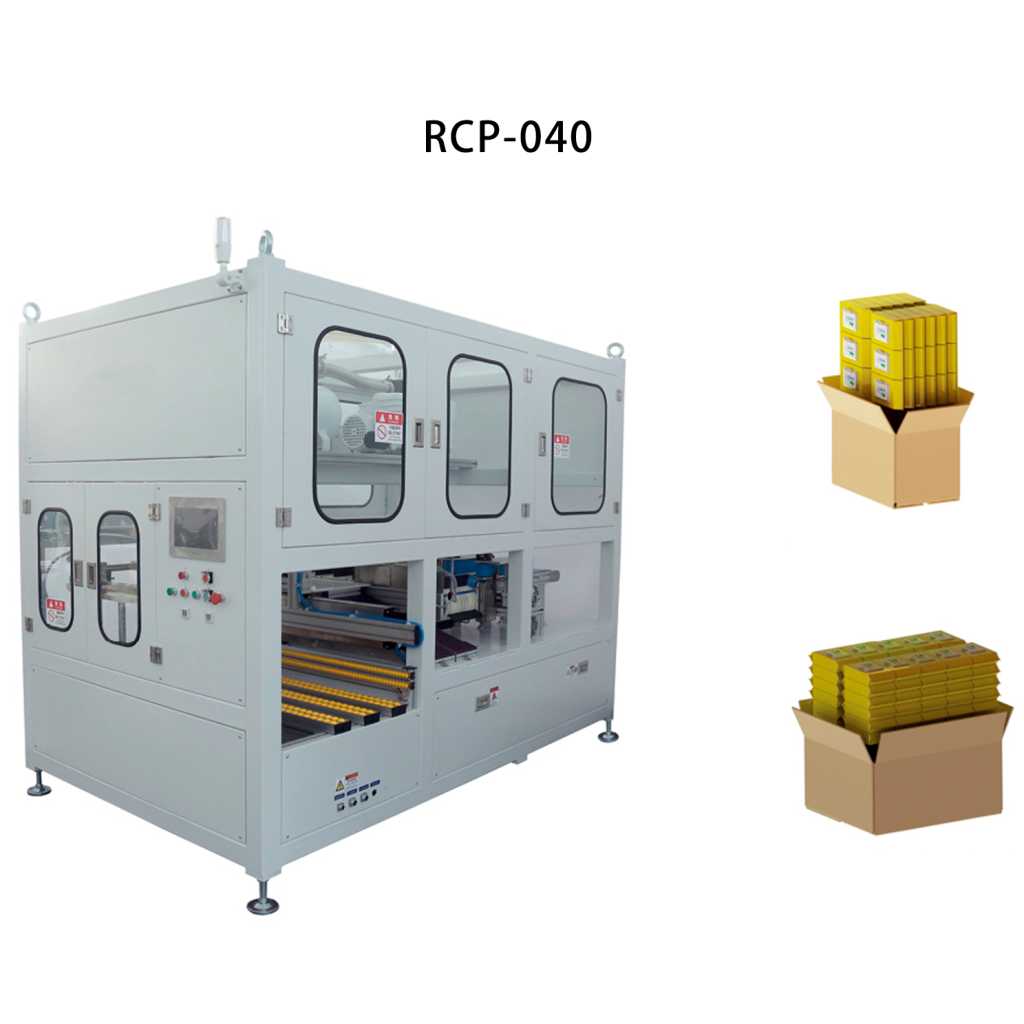
– Throughput reliability: measured uptime at target speed under real conditions (not factory demos). – Integration flexibility: how well the unit synchronises with conveyors, upstream fillers and downstream packers (test this on day one). – Total cost of ownership: include spare parts, training hours, and average time to repair when you run the numbers.
We’re not selling a dream — I’m telling you what I’d test if it were my line. Small changes in control logic or a better vision module can make a huge difference — honestly, sometimes it’s the tiny fixes that stop the headaches. — and yes, you’ll still need to train your crew. For reliable suppliers and sensible upgrades, check out ZLINK for practical options and spare-part support.